 By admin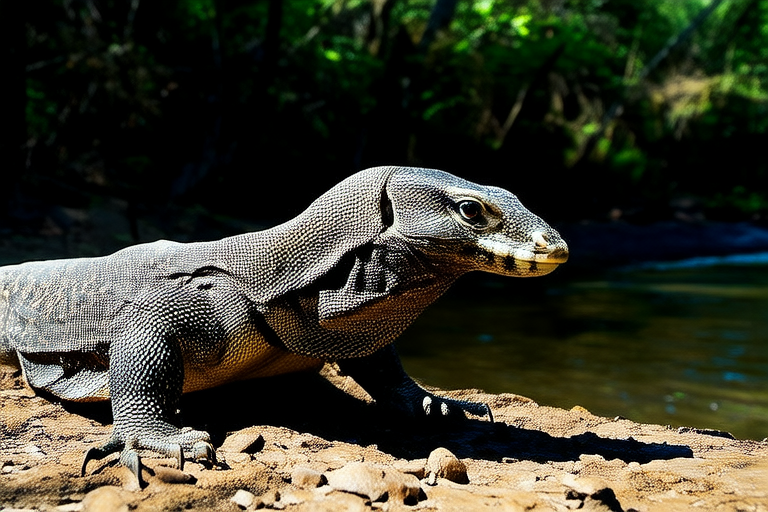
The Majestic Water Monitor: What It Takes to Own One of These Giants
The water monitor (Varanus salvator), also known as the Asian water monitor or common water monitor, is one of the largest lizards in the world. This remarkable reptile, native to Southeast Asia, is characterized by its long, powerful tail, sharp claws, and distinctive skin patterns that vary from region to region. With a reputation for being both intelligent and active, the water monitor has captured the attention of reptile enthusiasts worldwide. However, owning one of these giants requires careful consideration and preparation. This article explores the unique characteristics of water monitors, their natural habitat, diet, and behavior, as well as the responsibilities and requirements for those who wish to own one as a pet.
Unique Characteristics of Water Monitors
Water monitors can grow up to 3 meters in length and weigh over 50 kilograms, making them formidable creatures. Their sleek bodies are designed for swimming, and they are equally at home in trees, on land, and in the water. The water monitor’s eyes are large and alert, allowing it to spot prey from a distance. Its tongue, like that of other monitor species, plays a crucial role in chemoreception, helping the lizard detect odors and locate food. Their sharp claws and powerful limbs enable them to climb trees, dig burrows, and defend themselves against predators. Despite their intimidating appearance, water monitors are generally docile and can be quite curious, making them fascinating pets for experienced reptile owners.
Habitat, Diet, and Behavior in the Wild
Native to Southeast Asia, water monitors inhabit a variety of environments, including mangrove swamps, rivers, lakes, and coastal areas. They are highly adaptable and can thrive in both freshwater and saltwater ecosystems. In the wild, water monitors are opportunistic feeders, consuming a wide range of prey, including fish, amphibians, birds, small mammals, and even carrion. Their ability to hunt both in and out of water makes them versatile predators. Water monitors are also known for their social behavior; they often bask together in groups and have been observed engaging in playful interactions. However, when threatened, they can become aggressive and may lash out with their powerful tails or bite.
Owning a Water Monitor: Responsibilities and Requirements
Legal Considerations
Before considering a water monitor as a pet, it is essential to understand the legal implications. Many countries and states have strict regulations regarding the ownership of exotic animals, including water monitors. Some areas may require permits or licenses to keep these reptiles, while others may prohibit them altogether. Potential owners should research local laws and ensure compliance before bringing a water monitor into their home. Additionally, importing water monitors from their native habitats may involve international regulations, so it is important to verify all necessary permits and documentation.
Housing
Providing an appropriate living environment is critical for the health and well-being of a water monitor. A spacious enclosure is necessary to accommodate the lizard’s size and activity level. For adult water monitors, a minimum enclosure size of 6 feet by 4 feet by 4 feet is recommended, though larger enclosures are ideal. The enclosure should include both terrestrial and aquatic areas, as water monitors spend significant time in water. A deep water area, at least twice the length of the lizard, allows for swimming and diving. Proper substrate, such as reptile-safe sand or mulch, should cover the land area, providing a natural surface for digging and basking. Adequate ventilation and filtration systems are also essential to maintain clean water and air quality.
Feeding
Water monitors have high metabolic rates and require a varied diet to meet their nutritional needs. In captivity, their diet should consist of a mix of commercially available reptile diets, insects, small rodents, and occasionally fish. Young water monitors may eat more frequently, while adults can be fed every few days. It is important to offer a balanced diet rich in proteins, vitamins, and minerals. Feeding should be done in a separate container to prevent contamination of the enclosure and to reduce the risk of injury to the lizard during feeding. Pre-killed prey items are recommended to minimize stress and potential harm to the monitor.
Health Care
Maintaining the health of a water monitor requires regular veterinary check-ups and proper hygiene. Regular visits to a veterinarian specializing in reptiles can help identify and address any health issues early. Common health problems in water monitors include respiratory infections, parasites, and metabolic bone disease. Ensuring a balanced diet, proper temperature gradients, and clean living conditions can help prevent many of these issues. Water monitors are ectothermic, meaning they rely on external heat sources to regulate their body temperature. Providing a thermal gradient within the enclosure, with a basking area that reaches 90-100°F and cooler areas, is crucial for their overall health. Additionally, UVB lighting is essential for calcium metabolism and vitamin D synthesis.
Tips on Handling and Training
Handling a water monitor requires patience, respect, and understanding of the lizard’s behavior. Water monitors are generally docile but can become defensive if they feel threatened. When handling, it is important to approach slowly and gently, allowing the lizard to acclimate to your presence. Support the lizard’s body fully, avoiding sudden movements that could startle it. Regular interaction and gentle handling can help build trust between you and your water monitor. While water monitors are not typically trainable in the traditional sense, they can learn to recognize their handlers and respond to certain stimuli, such as feeding times or play sessions.
Advice for New Owners
For those interested in owning a water monitor, it is crucial to seek reliable information and support. Joining online forums and communities dedicated to reptile enthusiasts can provide valuable insights and advice from experienced owners. Consulting with veterinarians and herpetologists can also offer guidance on specific care requirements and potential challenges. Attending reptile expos and workshops can provide opportunities to learn from experts and observe water monitors in different settings. Ultimately, owning a water monitor is a significant commitment that requires dedication, knowledge, and resources. By thoroughly researching and preparing, potential owners can ensure a rewarding and fulfilling experience with these majestic creatures.