 By admin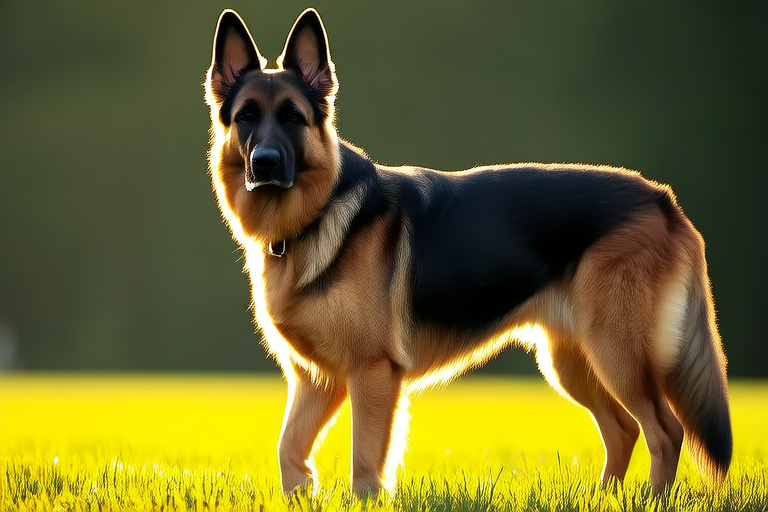
How to Keep Your German Shepherd Healthy and Happy: A Complete Guide
Welcome to your comprehensive guide on keeping your German Shepherd healthy and happy. This robust breed requires special care to thrive, from diet and exercise to mental stimulation and socialization. By following the advice provided in this guide, you can ensure that your German Shepherd lives a long, fulfilling life.
Proper Nutrition
The foundation of good health starts with a balanced diet. German Shepherds are large dogs with high energy levels, so they require a diet rich in protein, fats, and carbohydrates. Opt for high-quality dog food that lists meat as the primary ingredient. Avoid foods with fillers, artificial preservatives, and excessive sugars. Always check the nutritional information on the packaging to ensure it meets the dietary needs of your German Shepherd. Consider consulting a veterinarian for personalized dietary recommendations.
Portion control is crucial to prevent obesity, which can lead to joint problems and other health issues. Feed your German Shepherd two meals a day, spaced evenly throughout the day. Adjust the portion sizes based on their age, weight, and activity level. Avoid overfeeding, especially with treats, as they can contribute to weight gain. Regularly monitor your dog’s weight and adjust their diet accordingly.
Hydration is equally important. Ensure your German Shepherd has access to fresh, clean water at all times. A good rule of thumb is to provide one ounce of water per pound of body weight daily. Monitor your dog’s water intake, and consult a vet if you notice any changes in their drinking habits.
Exercise Routines
German Shepherds are energetic dogs that need plenty of physical activity to stay healthy and happy. Regular exercise helps maintain their muscle tone, cardiovascular health, and overall well-being. Aim for at least 60 minutes of moderate to vigorous exercise each day. This can include walking, running, playing fetch, or engaging in agility training.
Start with short walks and gradually increase the duration and intensity as your German Shepherd becomes more accustomed to the exercise routine. Incorporate variety into your exercise regimen to keep things interesting for both you and your dog. Agility courses, obedience classes, and hiking are excellent ways to challenge your German Shepherd mentally and physically.
Remember to warm up before exercising and cool down afterward. Warm-ups can include gentle stretching or slow walking, while cool-downs may involve slower-paced activities or light massage. Always pay attention to your dog’s behavior during exercise. If they show signs of fatigue, stop and rest. Overexertion can lead to injuries, so listen to your dog’s body and adjust the exercise intensity accordingly.
Grooming Tips
German Shepherds have a double coat that requires regular grooming to maintain its health and appearance. Brush your dog at least twice a week to remove loose hair and prevent matting. Use a slicker brush or a pin brush, depending on the texture of your dog’s coat. During shedding seasons, you may need to brush more frequently, possibly daily, to manage the excess fur.
Bathing your German Shepherd is necessary but should be done sparingly, ideally every few months, to avoid stripping their skin of natural oils. When bathing, use a mild, pH-balanced dog shampoo and rinse thoroughly to prevent soap residue buildup. Dry your dog completely after bathing to prevent skin irritation or infections.
In addition to brushing and bathing, pay attention to your German Shepherd’s nails, ears, and teeth. Trim their nails regularly to prevent overgrowth, which can cause discomfort or difficulty walking. Check their ears weekly for signs of infection, such as redness, swelling, or an unpleasant odor. Clean their ears gently with a cotton ball and ear-cleaning solution recommended by your veterinarian. Dental hygiene is also crucial; brush your dog’s teeth at least three times a week using a dog-specific toothpaste. Regular dental care helps prevent gum disease and bad breath.
Common Health Issues
Despite their robust nature, German Shepherds are prone to certain health conditions. Hip dysplasia, a genetic disorder affecting the hip joints, is common among large breeds like German Shepherds. Symptoms include limping, reluctance to jump or climb stairs, and reduced activity levels. Early detection and intervention are key to managing hip dysplasia. Consult your veterinarian if you suspect your dog has hip dysplasia; they may recommend lifestyle changes, medication, or surgery.
Epilepsy is another condition affecting some German Shepherds. It manifests as seizures, which can vary in frequency and severity. If your dog experiences a seizure, stay calm and move any nearby objects to prevent injury. Afterward, contact your veterinarian for further guidance. Epilepsy management typically involves medication, and regular monitoring by a vet is essential.
Gastric dilatation-volvulus (GDV), commonly known as bloat, is a potentially life-threatening condition where the stomach fills with gas and twists. Symptoms include distended abdomen, drooling, pacing, and restlessness. Immediate veterinary attention is required if you suspect bloat. Prevention strategies include feeding smaller, more frequent meals and avoiding vigorous exercise immediately after eating.
Regular veterinary check-ups are crucial for early detection and management of these and other health issues. Discuss any concerns with your veterinarian and follow their recommendations for maintaining your German Shepherd’s health.
Mental Stimulation Activities
Providing mental stimulation is just as important as physical exercise for your German Shepherd. Engage your dog’s mind through various activities to prevent boredom and destructive behaviors. Puzzle toys, interactive games, and obedience training are great ways to stimulate your dog’s cognitive abilities.
Teach your German Shepherd new tricks or commands to keep them mentally engaged. Reward-based training methods, such as positive reinforcement, work well for this purpose. Offer treats, praise, or playtime as rewards for correct responses. Consistency and patience are key when teaching new skills.
Consider enrolling your dog in obedience classes or agility training. These activities not only provide mental stimulation but also enhance your bond with your dog. They offer structured learning environments and opportunities to interact with other dogs and people.
Training Methods
Consistent and positive training methods are essential for raising a well-behaved German Shepherd. Positive reinforcement techniques, such as offering treats, praise, or playtime, encourage desirable behaviors. Avoid punishment-based training, as it can lead to fear, aggression, or anxiety in your dog.
Begin training early, ideally during puppyhood, to establish good habits and prevent behavioral issues. Start with basic commands like ‘sit,’ ‘stay,’ ‘come,’ and ‘leave it.’ Use short, focused training sessions to keep your dog engaged and attentive. Gradually increase the complexity of the commands as your dog masters the basics.
Leash training is particularly important for German Shepherds due to their size and strength. Teach your dog to walk calmly beside you without pulling on the leash. Use a harness instead of a collar to distribute pressure more evenly across your dog’s chest. Practice walking in different environments and under varying conditions to reinforce the desired behavior.
Housebreaking is another crucial aspect of training. Establish a consistent routine for feeding, walking, and bathroom breaks. Take your German Shepherd outside to eliminate first thing in the morning, after meals, and before bedtime. Praise and reward your dog when they go potty outside. If accidents occur indoors, clean the area thoroughly and redirect your dog outside.
Advice for Socializing
Socialization is vital for German Shepherds to develop into well-adjusted, friendly dogs. Expose your dog to various people, animals, and environments during their formative months. Early socialization helps prevent fear, aggression, and anxiety in adult dogs.
Introduce your German Shepherd to friends, family members, and neighbors in a controlled manner. Allow them to approach your dog at their own pace and offer treats or praise for calm, positive interactions. Encourage children to respect your dog’s space and handle them gently.
Expose your dog to different environments, such as parks, beaches, and pet stores. Familiarize them with various sounds, sights, and smells. Gradual exposure helps your German Shepherd become comfortable in unfamiliar settings and around new stimuli.
Attend dog parks or organized events to introduce your German Shepherd to other dogs. Supervise their interactions and intervene if necessary to prevent conflicts. Positive experiences with other dogs can foster friendly relationships and reduce aggression.
By following the advice provided in this guide, you can help ensure that your German Shepherd remains healthy, happy, and well-adjusted. Remember that every dog is unique, so tailor your care and attention to suit your individual pet’s needs. With proper nutrition, exercise, grooming, mental stimulation, training, and socialization, you can enjoy a rewarding relationship with your loyal companion for many years to come.