 By admin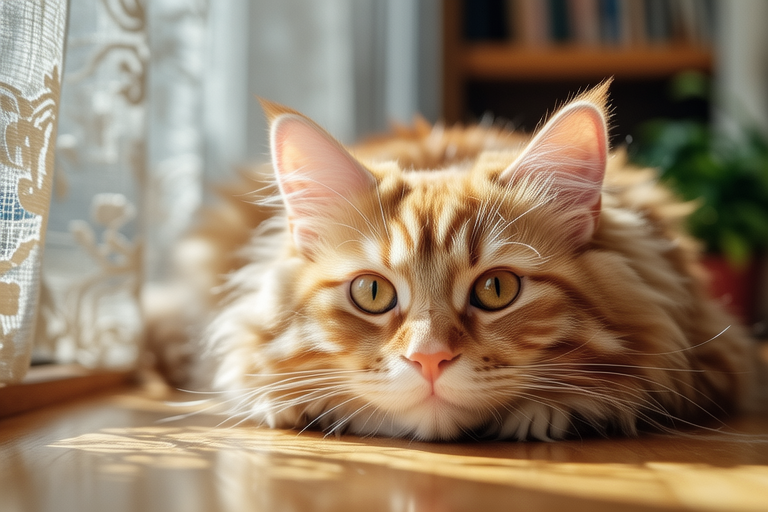
The Ultimate Guide to Living with an Affectionate Orange Feline
Introduction
Welcome to the world of orange felines! These charming and affectionate creatures bring joy and companionship into many homes. This guide will help you understand and care for your orange cat, ensuring both you and your pet enjoy a fulfilling life together.
Unique Temperament of Orange Cats
Orange cats, often referred to as ginger or marmalade cats, have distinct personalities. They are known for their playful and curious nature. Many orange cats are also incredibly affectionate, seeking out human interaction and attention. Understanding your cat’s temperament can help you provide the best care and environment for them.
Dietary Needs
Like all cats, orange cats require a balanced diet rich in protein, fats, vitamins, and minerals. High-quality commercial cat foods, either wet or dry, are generally sufficient. However, it’s essential to consult your veterinarian about specific dietary needs based on your cat’s age, weight, and overall health.
Avoid feeding your cat excessive amounts of fish or tuna, as these can lead to nutritional imbalances. Additionally, ensure they always have access to fresh, clean water.
Grooming Requirements
Orange cats, like most long-haired breeds, require regular grooming to keep their coats healthy and free from mats. Brushing your cat at least once a week helps distribute natural oils throughout the fur, preventing tangles and hairballs.
Use a soft-bristled brush or a rubber curry comb to gently remove loose hair and dirt. Pay special attention to areas where mats may form, such as behind the ears and under the legs. Bathing should be done only when necessary, as frequent bathing can strip away essential oils.
Health Considerations
While orange cats are generally healthy, some are prone to certain genetic conditions. Regular veterinary check-ups are crucial for early detection and management of any potential issues. Common health concerns include:
- Hypertrophic cardiomyopathy (HCM): A heart condition that can affect orange cats, especially males.
- Feline hyperesthesia syndrome: Characterized by skin twitching and obsessive grooming.
- Polycystic kidney disease (PKD): An inherited disorder that causes cysts to develop in the kidneys.
Vaccinations and parasite control are also vital for maintaining your cat’s health. Discuss appropriate treatments with your vet to protect against fleas, ticks, and worms.
Training Techniques
Cats are independent animals, but they can still learn commands and tricks with patience and positive reinforcement. Start by teaching basic commands like “come,” “sit,” and “stay.” Use treats and praise to encourage desired behaviors.
Consistency is key in training. Establish a routine and stick to it. Avoid punishment-based methods, as these can cause stress and fear in your cat. Instead, focus on rewarding good behavior.
Creating a Stimulating Environment
Providing mental and physical stimulation is crucial for your orange cat’s well-being. Set up climbing structures, scratching posts, and interactive toys to keep them engaged. Rotate toys periodically to prevent boredom.
Ensure your home is safe for your cat by securing small objects and hazardous substances. Install window screens or curtains to prevent falls from high windows.
Enhancing Bonding
Spending quality time with your orange cat strengthens your bond. Play interactive games, such as laser pointers or feather wands. Petting and grooming sessions also foster trust and affection.
Consider adopting a second cat if your current one enjoys companionship. However, introduce new pets gradually to allow for proper adjustment.
Addressing Behavioral Issues
Common behavioral issues in orange cats include scratching furniture, inappropriate elimination, and aggression. Address these problems with patience and understanding.
- Scratching: Provide scratching posts and pads to redirect this instinctive behavior. Trim nails regularly to reduce damage.
- Inappropriate Elimination: Ensure litter boxes are clean and easily accessible. Consult a vet if the issue persists, as it could indicate a medical problem.
- Aggression: Identify triggers and address them through environmental changes or behavior modification techniques. Seek professional help if necessary.
Conclusion
Raising an orange cat is a rewarding experience filled with love, laughter, and companionship. By understanding their unique needs and providing proper care, you can ensure a happy and healthy life for your feline friend. Remember, every cat is different, so adapt these guidelines to suit your individual pet’s personality and lifestyle.