 By admin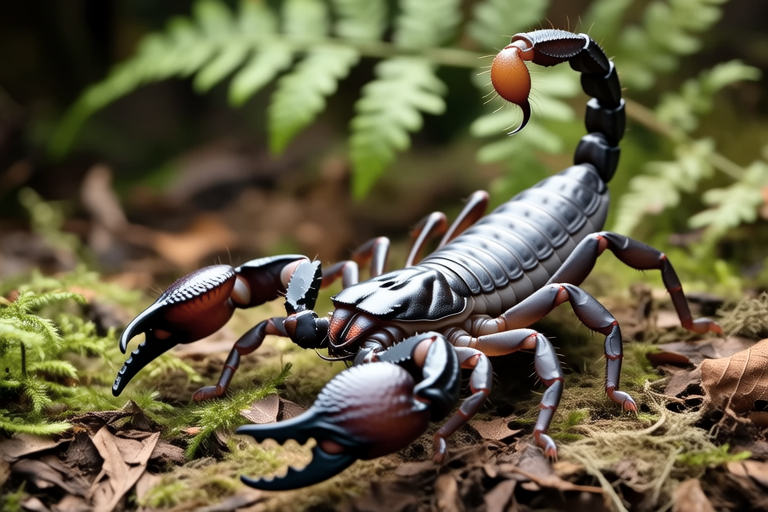
Exploring Heterometrus Spinifer: A Journey into the World of Scorpions
The Heterometrus spinifer, commonly known as the Indian forest scorpion, is one of the most fascinating creatures in the world of arachnids. This species, native to the forests of India, is not only a marvel of nature but also an essential part of its ecosystem. In this article, we will delve into the physical characteristics, dietary preferences, natural environment, social behaviors, and unique adaptations of Heterometrus spinifer. We’ll also explore the challenges it faces in its natural habitat and discuss conservation efforts aimed at protecting this species.
Physical Characteristics
Heterometrus spinifer is a medium-sized scorpion with a length ranging from 7 to 12 centimeters. Its body is robust, with a pair of pincers (pedipalps) that are relatively large compared to its size. The tail, or metasoma, is slender and ends in a venomous stinger. One of the most distinctive features of this species is its long, spiny legs, which give it its name. These spines help the scorpion to climb and navigate through its forest habitat.
The coloration of Heterometrus spinifer varies depending on its environment, but it generally has a dark brown or black carapace. This coloration provides excellent camouflage against predators, allowing the scorpion to blend seamlessly into the leaf litter and bark of its surroundings. The scorpion’s exoskeleton is tough and durable, offering protection against environmental hazards and potential threats.
Dietary Preferences
Heterometrus spinifer is a carnivorous predator that feeds primarily on insects and other small invertebrates. Its diet includes crickets, grasshoppers, beetles, and even smaller scorpions. The scorpion uses its powerful pincers to capture prey, often pinning it against the ground before delivering a lethal sting. The venom of Heterometrus spinifer contains neurotoxins that immobilize the prey, making it easier for the scorpion to consume.
Interestingly, the scorpion’s hunting behavior is influenced by its environment. In densely vegetated areas, the scorpion may rely more on ambush tactics, hiding under rocks or logs and waiting for unsuspecting prey to pass by. In open areas, it may actively search for food, using its sensitive sensory organs to detect vibrations and movements in the air and soil.
Natural Environment
Heterometrus spinifer thrives in the tropical and subtropical forests of India, particularly in regions with high humidity and dense vegetation. It prefers habitats such as moist leaf litter, rocky outcrops, and crevices in tree trunks. The scorpion’s ability to adapt to various microhabitats within its forest environment allows it to survive in diverse conditions.
The scorpion’s burrowing behavior is another adaptation that helps it thrive in its natural environment. It digs shallow burrows in the soil, where it can hide during the day and emerge at night to hunt. These burrows also serve as shelters during periods of extreme weather, such as heavy rainfall or droughts. The scorpion’s nocturnal lifestyle allows it to avoid the intense heat of the day and take advantage of cooler temperatures and increased insect activity at night.
Social Behaviors
Unlike many other scorpion species, Heterometrus spinifer exhibits limited social interactions. It is primarily solitary, with individuals living independently within their territories. However, during mating season, males and females come together briefly to reproduce. Mating occurs when the male deposits a spermatophore, a package of sperm, on the ground and guides the female over it using his pedipalps. After mating, the male and female go their separate ways, and the female is responsible for caring for the offspring.
The female scorpion carries her eggs internally until they hatch, after which she gives birth to live young. The mother then carries the newborn scorpions on her back for several days until they molt for the first time. During this period, the young scorpions are vulnerable and depend on their mother for protection. Once they have molted, they disperse and begin life as independent individuals.
Unique Adaptations
Heterometrus spinifer has several unique adaptations that allow it to thrive in its challenging environment. One of the most notable is its ability to regenerate lost limbs. If a leg or pedipalp is damaged or lost, the scorpion can regrow it over several molts. This adaptation is crucial for survival, as losing a limb can significantly impact the scorpion’s ability to hunt and defend itself.
Another remarkable adaptation is the scorpion’s sensory system. It has highly sensitive sensory organs, including chemoreceptors and mechanoreceptors, that allow it to detect chemical signals and vibrations in its environment. These sensory organs are located on the scorpion’s pincers, legs, and mouthparts, providing it with a comprehensive understanding of its surroundings. This heightened sensitivity enables the scorpion to locate prey and avoid predators with great precision.
Challenges in Natural Habitat
Despite its numerous adaptations, Heterometrus spinifer faces several challenges in its natural habitat. One of the primary threats is habitat destruction due to deforestation and urbanization. As human activities encroach upon the scorpion’s forest home, its available space shrinks, leading to increased competition for resources and potential conflicts with humans.
Climate change is another significant challenge facing this species. Rising temperatures and changing weather patterns can disrupt the delicate balance of the scorpion’s ecosystem, affecting prey availability and altering the scorpion’s behavior. For example, increased droughts can lead to a decline in insect populations, reducing the scorpion’s food supply. Similarly, heavy rainfall can flood the scorpion’s burrows, forcing it to seek alternative shelter and potentially exposing it to new dangers.
Interaction Within the Ecosystem
Heterometrus spinifer plays a vital role in its ecosystem as both predator and prey. As a top predator, it helps control insect populations, maintaining a balance within the food chain. By preying on insects, the scorpion prevents overpopulation and ensures that other species, such as birds and mammals, have access to a diverse range of prey.
Conversely, the scorpion itself serves as prey for larger animals, including birds, reptiles, and other mammals. This relationship creates a complex web of interactions within the ecosystem, where the presence or absence of one species can have far-reaching consequences for others. For instance, if the scorpion population declines due to habitat loss or climate change, the insect population may increase, leading to imbalances in the ecosystem.
Conservation Efforts
Recognizing the importance of Heterometrus spinifer within its ecosystem, conservationists and researchers have initiated various efforts to protect this species. One of the primary strategies is the establishment of protected areas, such as national parks and wildlife reserves, where the scorpion and its habitat are safeguarded from human interference. These protected areas provide a safe haven for the scorpion and other wildlife, ensuring the preservation of biodiversity.
Education and awareness campaigns are also crucial components of conservation efforts. By informing local communities about the value of the scorpion and its role in the ecosystem, these initiatives encourage sustainable practices and reduce human-wildlife conflicts. Additionally, research projects focused on studying the biology and behavior of Heterometrus spinifer contribute valuable data that can inform conservation strategies and policies.
Conclusion
Heterometrus spinifer is a remarkable species that exemplifies the resilience and adaptability of life in the wild. From its physical characteristics and dietary preferences to its unique adaptations and interactions within its ecosystem, this scorpion is a testament to the wonders of nature. While it faces numerous challenges in its natural habitat, ongoing conservation efforts offer hope for its continued survival. By protecting the forests and ecosystems that support Heterometrus spinifer, we not only ensure the survival of this species but also contribute to the health and well-being of our planet.