 By admin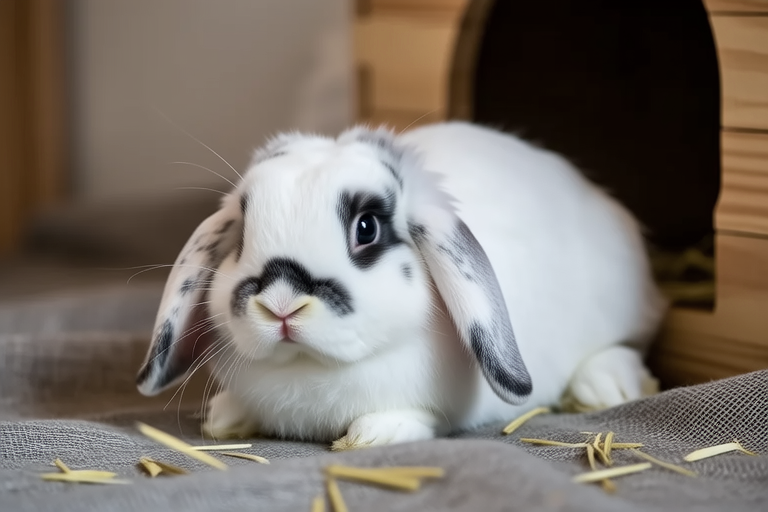
The Fascinating World of Hotot Rabbits: Caring for Your New Pet
Welcome to the enchanting world of Hotot rabbits! These charming creatures are not only delightful to look at but also make wonderful companions for those who appreciate the beauty and uniqueness of small pets. In this article, we will explore the fascinating history, physical characteristics, and essential care guidelines for Hotot rabbits, ensuring that you have all the information needed to provide your new pet with a happy and healthy life.
Unique Appearance and History
Hotot rabbits are instantly recognizable due to their striking appearance. Their fur is primarily white, with a black ring encircling each eye, resembling a pair of elegant mascara lines. This distinctive feature gives them their name, derived from ‘hotteau’, a French term for a type of pie crust that has a similar appearance. The contrast between their pure white coat and the dark eye rings makes them one of the most visually captivating rabbit breeds.
The breed’s origins can be traced back to France in the early 20th century. They were developed by Eugenie Bernhard, who aimed to create a rabbit with a perfect white coat and a black eye ring. Her efforts resulted in the Hotot, which was officially recognized by the American Rabbit Breeders Association (ARBA) in 1978. Since then, they have gained popularity among rabbit enthusiasts for their unique looks and gentle demeanor.
Ideal Living Conditions
Hotot rabbits thrive in environments that cater to their natural instincts and comfort. A spacious cage or hutch is essential, providing enough room for movement and exploration. The cage should be large enough to allow your rabbit to stretch out fully and stand up on its hind legs without touching the top. It should also include a separate sleeping area lined with soft bedding such as hay or straw.
Adequate ventilation is crucial, so ensure the cage is placed in a well-ventilated area away from direct sunlight and drafts. Temperature control is important; Hotots prefer temperatures between 60-70°F (15-21°C). If you live in a region with extreme weather conditions, consider installing heating pads or cooling devices to maintain a comfortable environment for your pet.
Diet Requirements
Proper nutrition is vital for maintaining the health and vitality of your Hotot rabbit. Their diet should consist mainly of hay, which is rich in fiber and aids digestion. Timothy hay is recommended for adult rabbits, while alfalfa hay can be given to younger ones for its higher calcium content. Fresh vegetables should be offered daily, including leafy greens like romaine lettuce, spinach, and carrot tops. Limit fruits to occasional treats due to their high sugar content.
Rabbits require a constant supply of clean water. Use a sipper bottle designed for small animals to prevent spillage and contamination. Pellets formulated specifically for rabbits should make up a small portion of their diet, around 1/4 cup per day for adults. Ensure that the pellets contain no added sugars or artificial preservatives.
Exercise Needs
Like all rabbits, Hotots need regular exercise to stay fit and mentally stimulated. Providing a safe outdoor enclosure or allowing supervised playtime indoors can fulfill this need. Ensure that the area is free from toxic plants and potential hazards such as electrical cords or small objects that could be ingested.
Interactive toys and tunnels encourage exploration and provide mental stimulation. Rotate toys periodically to keep your rabbit engaged and interested. Daily exercise helps prevent obesity and promotes overall well-being. Aim for at least two hours of supervised playtime outside the cage each day.
Grooming and Common Health Issues
Grooming your Hotot rabbit is relatively simple but necessary for maintaining their coat’s cleanliness and preventing matting. Brush their fur weekly using a soft-bristled brush to remove loose hair and distribute natural oils. During shedding seasons, increase brushing frequency to every other day.
Bathing is generally not required unless absolutely necessary, as it can strip the rabbit’s skin of essential oils. Instead, focus on cleaning dirty areas with a damp cloth. Regular nail trimming is important to prevent overgrowth, which can cause discomfort or difficulty walking. Consult a veterinarian if unsure about how to trim nails safely.
Common health issues affecting Hotot rabbits include dental problems, gastrointestinal stasis, and respiratory infections. Regular veterinary check-ups are crucial for early detection and treatment of these conditions. Signs of dental issues may include drooling, difficulty eating, or weight loss. Gastrointestinal stasis occurs when food moves too slowly through the digestive tract, leading to bloating and pain. Respiratory infections often manifest as sneezing, nasal discharge, or labored breathing.
Bonding and Training
Building a strong bond with your Hotot rabbit takes time and patience. Spend quality time together each day, offering gentle petting and handling. Begin by sitting near your rabbit’s cage, allowing them to become accustomed to your presence before attempting physical contact. Gradually introduce hand feeding and gentle strokes along the back and head.
Training your rabbit involves positive reinforcement techniques, rewarding desired behaviors with treats or praise. Teach basic commands like coming when called or using a litter box by consistently reinforcing good behavior. Patience is key; avoid punishment, as it can lead to fear and mistrust. Establishing trust and mutual respect will create a loving and harmonious relationship between you and your pet.
In conclusion, caring for a Hotot rabbit requires attention to detail and dedication. By understanding their unique needs and providing proper care, you can ensure that your new pet enjoys a long, healthy, and joyful life. Embrace the opportunity to learn more about these fascinating creatures and enjoy the rewarding experience of sharing your home with a Hotot rabbit.