 By admin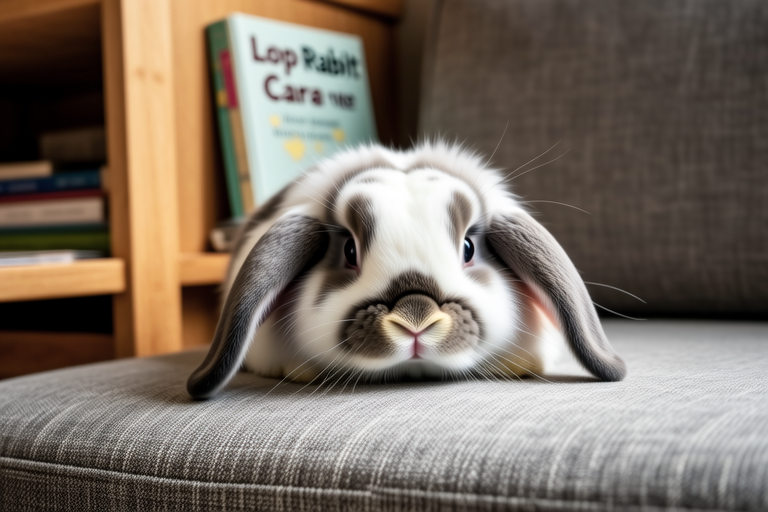
Adorable and Affectionate: The Ultimate Guide to Caring for Lop Rabbits
Lop rabbits are among the most popular pet rabbits due to their unique physical characteristics and affectionate nature. Known for their long, drooping ears that give them a charming, almost endearing appearance, these rabbits are beloved for their gentle and friendly demeanor. Their floppy ears can be a bit of a hindrance, but they add to the rabbits’ distinctive charm. Lop rabbits come in various breeds, each with its own set of characteristics, making them a versatile choice for rabbit lovers.
Varieties of Lop Rabbit Breeds
There are several varieties of lop rabbits, each with its own unique traits. Some of the most popular include the English Lop, French Lop, and Miniature Lop. The English Lop, one of the largest breeds, can grow up to 12 pounds and has notably large, pendulous ears that can reach up to 20 inches in length. They are known for their calm and gentle temperament, making them ideal companions. The French Lop, slightly smaller than the English Lop, typically weighs between 9 to 13 pounds. This breed is renowned for its robustness and friendly nature. Lastly, the Miniature Lop, as its name suggests, is the smallest of the lop breeds, usually weighing around 4 to 6 pounds. Despite their small size, they have big personalities and are highly affectionate.
Housing Your Lop Rabbit
Providing a suitable living environment for your lop rabbit is crucial for their health and happiness. A spacious cage or hutch is essential, with dimensions of at least 4 feet wide, 2 feet deep, and 2 feet high for a single adult rabbit. This ensures ample space for movement and comfort. Bedding is another important consideration; avoid cedar and pine shavings, as they can cause respiratory problems. Instead, opt for paper-based bedding or recycled newspaper litter, which are safer alternatives. Environmental enrichment is key to keeping your rabbit mentally stimulated. Provide toys such as tunnels, chew sticks, and balls to keep them entertained and engaged.
Dietary Requirements for Lop Rabbits
A balanced diet is vital for the health and longevity of your lop rabbit. The foundation of their diet should consist of unlimited access to high-quality grass hay, such as timothy or orchard grass. Hay aids digestion and supports dental health. Fresh vegetables, like romaine lettuce, carrots, and bell peppers, should be offered daily, though in moderation. Pellets designed specifically for rabbits are also necessary, providing essential nutrients. However, it’s important to limit the amount to about 1/4 cup per 5 pounds of body weight per day to prevent obesity.
Grooming Needs
Grooming your lop rabbit is an important aspect of their care routine. Regular brushing helps remove loose fur and prevents hairballs. Use a soft-bristled brush or a slicker brush to gently comb through their coat. Pay special attention to their ears, checking for any signs of infection or irritation. Cleaning their ears periodically with a damp cloth can help maintain their hygiene. Additionally, trim their nails every few weeks to prevent overgrowth and discomfort.
Common Health Issues and Signs of Illness
Like all animals, lop rabbits are susceptible to certain health issues. Common conditions include dental problems, gastrointestinal stasis, and ear infections. It’s important to monitor your rabbit for any changes in behavior or appetite. Signs of illness may include lethargy, loss of appetite, diarrhea, or discharge from the eyes or nose. If you notice any concerning symptoms, consult a veterinarian specializing in exotic pets immediately. Regular check-ups can help catch potential issues early and ensure your rabbit remains healthy.
Socializing and Training Lop Rabbits
Socializing your lop rabbit from an early age is essential for building a strong bond. Start by spending time with your rabbit in a quiet, safe environment. Gentle handling and positive reinforcement, such as offering treats, can encourage trust and affection. Training can include basic commands like coming when called or using a litter box. Consistency and patience are key, rewarding good behavior with praise and treats. Avoid punishment, as it can lead to fear and anxiety.
Bonding with Your Lop Rabbit
Maintaining a strong, affectionate relationship with your lop rabbit involves regular interaction and engagement. Spend quality time together daily, offering cuddles, playtime, and grooming sessions. Create a comfortable space where your rabbit feels safe and secure, allowing them to explore and express themselves freely. By fostering a nurturing environment and showing consistent love and care, you’ll build a lasting bond with your furry friend.
In conclusion, caring for lop rabbits is a rewarding experience filled with love and companionship. By understanding their unique needs and providing proper care, you can ensure a happy and healthy life for your adorable and affectionate companion. Whether you’re a seasoned rabbit owner or a first-time adopter, following these guidelines will help you create a loving home for your lop rabbit.