 By admin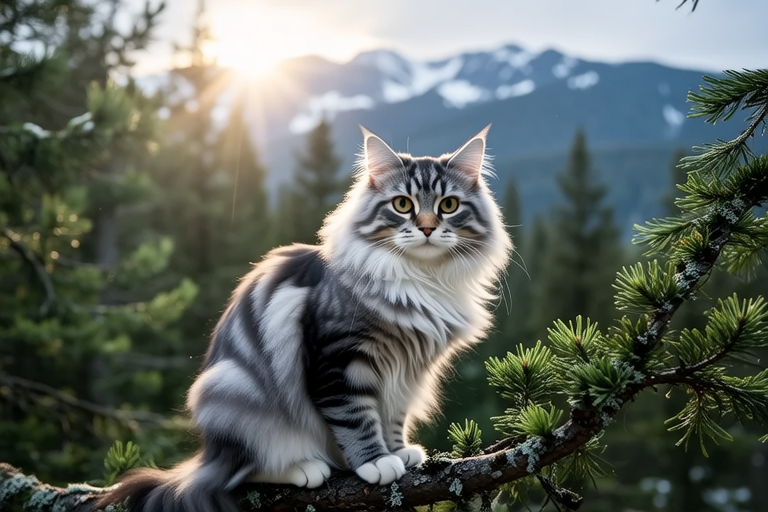
Discover the Unique Traits of a Norwegian Forest Cat
The Norwegian Forest Cat, often affectionately called the “Wegie,” is a breed with a rich history and a heartwarming charm that has captivated cat enthusiasts for centuries. Known for its thick, luxurious coat and friendly demeanor, this cat is more than just a pretty face. Dive into the world of Norwegian Forest Cats and discover why they are such beloved companions.
A Brief History and Mythology
The Norwegian Forest Cat has been a part of Norse mythology, believed to have descended from the mythical cats of Freyja, the goddess of love, fertility, and war. These felines were thought to be guardians of her chariot, which was pulled by two large cats. In reality, these majestic creatures have lived in the forests of Norway for over 4,000 years, adapting to the harsh climate and becoming a symbol of strength and resilience.
Historically, Norwegian farmers relied on these cats to control rodent populations. Their ability to thrive in cold, snowy environments made them invaluable. It wasn’t until the 1930s that the breed gained recognition, but during World War II, their numbers dwindled. However, dedicated breeders worked tirelessly to preserve the Norwegian Forest Cat, and today, they are cherished across the globe.
Physical Characteristics
One of the most striking features of the Norwegian Forest Cat is its thick, water-repellent double coat. This coat provides excellent insulation against the cold, making it perfect for outdoor adventures. The fur is longer on the back, flanks, and tail, forming a ruff around the neck and britches on the hind legs. Their eyes are almond-shaped and can come in various colors, including green, gold, and copper.
Norwegian Forest Cats are medium to large in size, with males typically weighing between 12 to 20 pounds and females slightly less at 8 to 12 pounds. They have a robust, muscular build, long legs, and a bushy tail that can be as long as their body. Their paws are tufted, providing extra warmth and traction in snow. Their overall appearance exudes grace and elegance, yet they possess a rugged, wild look that sets them apart from many other breeds.
Temperament and Personality
Besides their stunning looks, Norwegian Forest Cats are known for their friendly and sociable nature. They are highly intelligent and enjoy interacting with their human families. While they are independent and can entertain themselves for hours, they also appreciate companionship and attention. These cats are playful and enjoy climbing, chasing toys, and exploring their surroundings.
Many owners describe their Norwegian Forest Cats as gentle giants. They are patient and calm, making them ideal companions for families with children and other pets. One owner, Sarah, shared that her Norwegian Forest Cat, Thor, loves to play fetch with her son. “Thor is always up for a game, and he never gets tired,” she said. “He’s so gentle, even when my son is a bit rough.”
Grooming Needs
Due to their thick coats, Norwegian Forest Cats require regular grooming to keep their fur healthy and prevent matting. Weekly brushing helps remove loose hair and distribute natural oils throughout the coat. During shedding seasons, especially in spring and fall, daily brushing may be necessary. Bathing is generally not required unless the cat gets particularly dirty.
Trimming nails and cleaning ears are also important parts of their grooming routine. Many owners find that their Norwegian Forest Cats enjoy being pampered and will even tolerate nail clipping and ear cleaning without much fuss. Regular grooming sessions not only maintain the cat’s appearance but also strengthen the bond between the pet and its owner.
Health Considerations
Like all breeds, Norwegian Forest Cats are prone to certain health issues. Responsible breeding practices have significantly reduced the incidence of genetic disorders, but some conditions still warrant vigilance. Hypertrophic cardiomyopathy (HCM) is one of the most common heart diseases affecting the breed. Regular veterinary check-ups, including heart screenings, can help detect early signs of HCM.
Other health concerns include hip dysplasia and patellar luxation. Ensuring your Norwegian Forest Cat maintains a healthy weight can help reduce the risk of these joint problems. A balanced diet and regular exercise are crucial for maintaining their overall well-being. Additionally, Norwegian Forest Cats are susceptible to dental issues, so brushing their teeth and providing appropriate chew toys can promote oral health.
Adaptability as Pets
Despite their wild origins, Norwegian Forest Cats adapt well to indoor living. They are comfortable in a variety of environments, from cozy apartments to spacious homes. Their intelligence and curiosity make them excellent indoor explorers, and they enjoy interactive toys and puzzle feeders. Providing vertical spaces, like cat trees and shelves, allows them to climb and perch, mimicking their natural habitat.
Outdoor access is optional, as long as the cat is safe and secure. If you choose to allow your Norwegian Forest Cat outdoors, ensure they are spayed or neutered, microchipped, and wear identification tags. Supervised outdoor time can provide enrichment and exercise, but it’s essential to consider the risks, such as traffic and predators.
Distinctive Traits
What truly sets Norwegian Forest Cats apart is their unique combination of beauty, intelligence, and personality. Their striking appearance and friendly nature make them stand out in any crowd. They are not overly demanding but are always ready for companionship and adventure. Norwegian Forest Cats are loyal and devoted to their families, forming strong bonds with their humans.
One of the most endearing traits of Norwegian Forest Cats is their vocalization. While they are not as talkative as some breeds, they have a soft, melodic voice that can be quite enchanting. Some owners describe their cats’ purrs as almost musical, adding to the overall charm of their presence.
Cultural Significance
In addition to their role in Norse mythology, Norwegian Forest Cats hold a special place in Norwegian culture. They are celebrated for their hardiness and contribution to the country’s agricultural heritage. Today, they are symbols of national pride, often featured in art, literature, and folklore. Their enduring popularity is a testament to their timeless appeal and adaptability.
Across the world, Norwegian Forest Cats continue to inspire admiration and affection. Their history, combined with their distinctive traits, makes them a breed that stands the test of time. Whether you’re a seasoned cat lover or considering adopting your first feline friend, the Norwegian Forest Cat offers a unique and rewarding experience.
Conclusion
The Norwegian Forest Cat is a breed that combines the best of both worlds: the rugged charm of a forest dweller and the gentle nature of a loving companion. From their luxurious coats to their playful personalities, these cats offer a delightful blend of strength and grace. With proper care and attention, a Norwegian Forest Cat can become a cherished member of your family, bringing joy and companionship for many years to come.