 By admin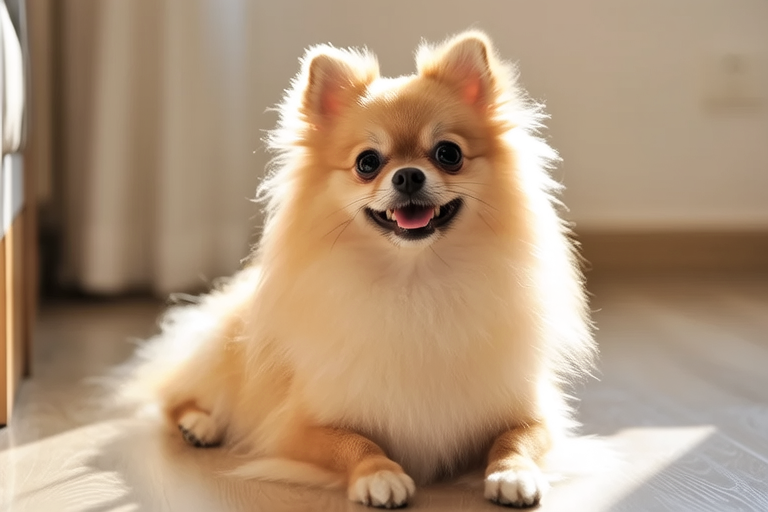
Adorable Poms: Unraveling the Secrets to Their Cheerful Disposition
Pomeranians, often referred to as Poms, have captured the hearts of countless pet lovers with their tiny stature and big personalities. These fluffy, energetic little dogs are known for their cheerful disposition, making them delightful companions for families, singles, and seniors alike. In this article, we will explore the unique traits and behaviors that contribute to their cheerful nature, delve into their history, discuss their typical temperament, and provide essential care tips to ensure their happiness and health.
A Brief History of Pomeranians
The history of Pomeranians dates back several centuries, with their origins tracing back to the region of Pomerania in Central Europe. Originally bred as larger working dogs, they were used for herding sheep and guarding homes. Over time, Pomeranians were selectively bred down to their current size, evolving into the charming and compact companions we know today. They were particularly favored by royalty, including Queen Victoria, who played a significant role in popularizing the breed in the 19th century.
Typical Temperament: A Blend of Confidence and Curiosity
Pomeranians are renowned for their spirited and confident demeanor. Despite their small size, they possess a boldness that belies their petite frame. This confidence often translates into a fearless attitude, especially when it comes to meeting new people or exploring unfamiliar environments. However, this doesn’t mean they’re aggressive; rather, they are curious and inquisitive, always ready to investigate new sights, sounds, and smells.
One of the most endearing traits of Pomeranians is their playfulness. They love to engage in interactive games and are quick learners, which makes training both enjoyable and effective. Their cheerful nature is also reflected in their expressive faces; a wagging tail and a bright, alert gaze are sure signs of a happy Pom.
Care Requirements for Happy and Healthy Poms
To maintain the cheerful disposition of your Pomeranian, proper care is essential. Below are some key aspects to consider:
Nutrition
Feeding your Pom a balanced diet tailored to their age, weight, and activity level is crucial. High-quality dog food that meets the nutritional needs of small breeds is recommended. Be mindful of portion sizes to prevent obesity, which can lead to health issues such as joint problems and respiratory difficulties.
Grooming
Pomeranians have a thick double coat that requires regular grooming to keep it healthy and free from mats. Brushing your Pom at least three times a week helps to remove loose hair and distribute natural oils throughout the coat. Additionally, bathing your dog every six to eight weeks, or as needed, ensures cleanliness and hygiene. Professional grooming may be necessary during shedding seasons to manage excessive fur.
Exercise and Mental Stimulation
Despite their small size, Pomeranians are quite active and require regular exercise to stay healthy and happy. Daily walks, playtime, and mental stimulation through puzzle toys or obedience training are vital. Interactive play sessions not only help burn off excess energy but also strengthen the bond between you and your furry friend.
Maintaining Happiness and Health
Ensuring the well-being of your Pomeranian involves more than just physical care. Here are some additional tips to keep your Pom cheerful and content:
Provide Plenty of Love and Attention
Pomeranians thrive on human interaction and affection. Spending quality time with your dog through cuddling, talking, and playing is essential for their emotional health. Regular socialization also helps them become well-adjusted and comfortable around other pets and people.
Establish Routines and Consistency
Dogs, including Pomeranians, benefit greatly from consistent routines. Establishing regular feeding, walking, and playtimes helps your Pom feel secure and provides a sense of structure. This predictability contributes to their overall happiness and reduces stress.
Address Any Behavioral Issues Promptly
While generally good-natured, Pomeranians can sometimes exhibit behavioral challenges such as barking or separation anxiety. Addressing these issues early on through positive reinforcement training and environmental enrichment can prevent them from becoming problematic. Consulting with a professional trainer if necessary can also be beneficial.
Myths and Misconceptions About Pomeranians
Like many beloved breeds, Pomeranians come with their share of myths and misconceptions. Here are a few common ones debunked:
Myth: Pomeranians Are Hypoallergenic
Contrary to popular belief, no dog breed is entirely hypoallergenic. While Pomeranians shed less than some other breeds, they still produce dander and saliva, which can trigger allergic reactions in sensitive individuals. If you or someone in your household suffers from allergies, it’s advisable to spend time with a Pom before committing to ownership to gauge your reaction.
Myth: Pomeranians Are Suitable for Apartment Living
Although Pomeranians can adapt to apartment living, they still need sufficient space to move around and opportunities for outdoor activities. Ensuring they have enough room to stretch their legs and engage in physical activities is important for their well-being. Additionally, providing mental stimulation through interactive toys and games can help alleviate boredom in confined spaces.
Myth: Pomeranians Don’t Need Exercise
Due to their small size, some people assume Pomeranians don’t require much exercise. However, these active dogs need regular physical activity to maintain their health and happiness. Lack of exercise can lead to obesity and behavioral issues, so incorporating daily walks and play sessions is essential.
Why Pomeranians Make Beloved Companions
Pomeranians’ cheerful disposition, coupled with their loyalty and affectionate nature, makes them cherished companions. Their adaptability allows them to thrive in various living situations, from bustling city apartments to quiet suburban homes. Their playful and curious nature keeps life interesting, while their small size ensures they are easy to manage.
Moreover, Pomeranians are excellent watchdogs. Their alertness and tendency to bark at unfamiliar noises make them effective at keeping an eye out for potential threats. However, it’s important to train them not to bark excessively to avoid disturbing neighbors.
Conclusion
In conclusion, Pomeranians are truly delightful companions with a cheerful disposition that stems from their unique blend of confidence, curiosity, and playfulness. By understanding their history, temperament, and care requirements, you can ensure your Pom leads a happy and healthy life. Remember, while Pomeranians are small in stature, they are mighty in spirit and offer endless joy to those fortunate enough to share their lives.