 By admin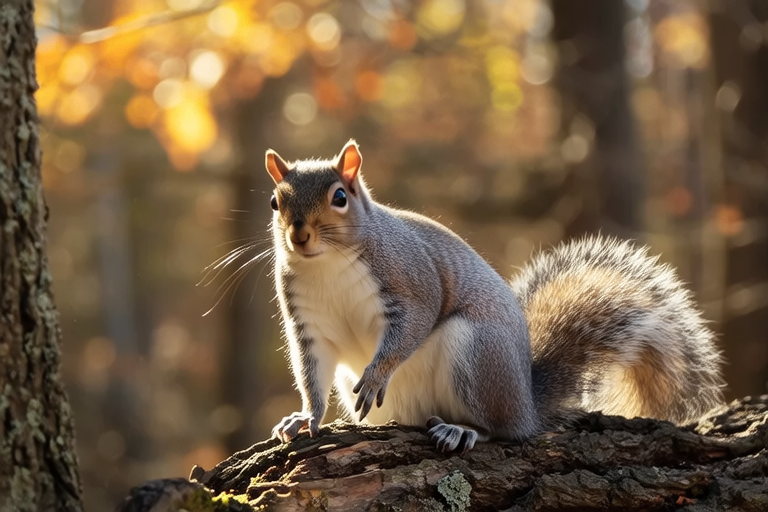
Debunking Myths About Squirrels: Separating Fact from Fiction
Squirrels are among the most ubiquitous and beloved animals in urban and suburban environments. Their playful antics and acrobatic skills have made them a favorite subject of both casual observation and scientific study. However, despite their widespread presence, many misconceptions persist regarding their behavior, intelligence, diet, and interaction with humans. In this article, we will examine some of the most common myths about squirrels and contrast them with the scientific facts to provide a clearer understanding of these fascinating creatures.
The Myth of Squirrel Stupidity
One of the most pervasive myths about squirrels is that they are unintelligent. This misconception likely stems from their seemingly erratic behavior, such as running around in circles or forgetting where they’ve hidden food. However, numerous studies have shown that squirrels possess remarkable cognitive abilities. For instance, they can remember the location of thousands of buried nuts and seeds, even after several months have passed. A study published in the journal Animal Cognition demonstrated that gray squirrels can distinguish between different types of nuts based on their scent alone and choose the most nutritious ones.
Furthermore, squirrels exhibit problem-solving skills that rival those of primates. In an experiment conducted at the University of Exeter, researchers presented red squirrels with a puzzle box containing hazelnuts. The squirrels quickly figured out how to open the box and retrieve the food inside, suggesting that they possess advanced reasoning capabilities. These findings challenge the notion that squirrels are merely mindless creatures driven solely by instinct.
Dietary Habits: Beyond Nuts and Seeds
Another common myth about squirrels is that they subsist entirely on nuts and seeds. While these items certainly form a significant part of their diet, squirrels are actually omnivorous and consume a wide variety of foods. In addition to nuts and seeds, they eat fruits, fungi, insects, and even small vertebrates like birds and eggs when given the opportunity. A study published in the Journal of Mammalogy revealed that Eastern fox squirrels supplement their diet with mushrooms during the fall, which helps them build up fat reserves for the winter.
Moreover, squirrels play an essential role in forest ecosystems by dispersing seeds and helping to regenerate vegetation. By burying excess food, they inadvertently plant new trees and shrubs, contributing to the overall health of the environment. This behavior is known as scatter hoarding, and it has been extensively studied by ecologists who recognize its importance in maintaining biodiversity.
Nesting Behaviors: More Than Just Tree Holes
Many people believe that squirrels exclusively nest in tree cavities or abandoned bird nests. While these are indeed popular choices, squirrels are highly adaptable and can construct their own nests called dreys, typically made from leaves, twigs, and other available materials. A drey provides protection against predators and adverse weather conditions, making it an ideal shelter for raising young.
Interestingly, squirrels often engage in what appears to be “nest sharing,” where multiple individuals occupy the same drey simultaneously. However, this behavior is not necessarily indicative of social bonding but rather a response to limited resources. During periods of scarcity, squirrels may temporarily tolerate each other’s presence to conserve energy and reduce competition for nesting sites. This phenomenon has been observed in both gray and red squirrel populations across North America and Europe.
Interactions with Humans: Friend or Foe?
There is a prevailing belief that squirrels pose a threat to gardens and crops due to their tendency to dig up newly planted seeds or nibble on vegetables. While it’s true that squirrels can cause damage to gardens, particularly during planting season, they generally prefer natural sources of food over cultivated plants. Additionally, many gardeners employ simple deterrents such as mesh covers or repellent sprays to protect their crops without resorting to lethal measures.
On the contrary, squirrels often benefit from human activities by taking advantage of supplementary food sources provided through bird feeders or discarded snacks. In urban areas, squirrels have adapted to living alongside people, sometimes even becoming habituated to human presence. This coexistence can lead to positive outcomes, including increased opportunities for public education about wildlife conservation and greater appreciation for nature within city limits.
Conclusion
In conclusion, while squirrels may appear simple at first glance, they are complex creatures capable of sophisticated behaviors and adaptations. By examining common myths about their intelligence, dietary habits, nesting behaviors, and interactions with humans, we gain a deeper appreciation for these remarkable animals. As our understanding of squirrels continues to evolve, so too does our ability to coexist harmoniously with them in shared environments.