 By admin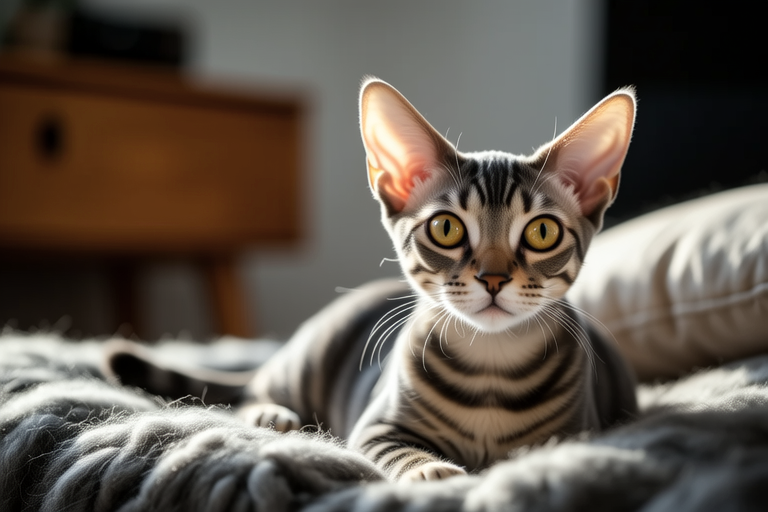
Devon Rex: The Unique Hairless Cat That Will Melt Your Heart
The world of feline companionship is vast and varied, offering a plethora of breeds that cater to different tastes and lifestyles. Among the most distinctive and charming of these breeds is the Devon Rex, a hairless cat that has captured the hearts of many with its unique appearance and affectionate nature. This article delves into the fascinating history, physical traits, temperament, and care requirements of the Devon Rex, providing you with all the information needed to decide if this breed is the right fit for your home.
A Brief History of the Devon Rex
The Devon Rex breed originated in England during the mid-20th century. It was first discovered by a British breeder named Beryl Cox, who found a curly-coated cat living near her home in Buckfastleigh, Devon. This cat, later named Kirlee, was the progenitor of the entire breed. Kirlee’s offspring inherited his distinct coat, leading to the development of the Devon Rex as a recognized breed.
The breed gained popularity in the 1960s and 1970s, and it remains a favorite among cat enthusiasts today. Unlike other hairless breeds like the Sphynx, the Devon Rex does have some hair, albeit less than most cats. Their fur is typically short, soft, and wavy, giving them a velvety texture.
Physical Characteristics of the Devon Rex
Devon Rex cats are known for their striking appearance. They have large, expressive eyes that give them a mischievous look, and their ears are wide-set and large, often adorned with tufts of hair. Their bodies are slender yet muscular, with long legs that make them agile and playful.
Their most distinguishing feature, however, is their curly coat. The fur is sparse and fine, covering only parts of their body, leaving much of their skin exposed. This gives them a unique, almost alien-like appearance. Despite their lack of fur, Devon Rex cats are not entirely hairless; they possess a second layer of downy fur beneath their topcoat.
Their coat color can vary widely, ranging from solid colors to tabby patterns, bicolors, and even tortoiseshell. This diversity in appearance makes each Devon Rex truly one-of-a-kind.
Temperament and Common Behaviors
Devon Rex cats are renowned for their friendly and sociable personalities. They are often described as being dog-like in their behavior, as they enjoy following their owners around the house and participating in family activities. They are highly intelligent and can be trained to perform tricks, making them excellent companions for those looking for an interactive pet.
These cats are also known for their playful nature. They love to play fetch, chase toys, and engage in other games that keep them active and entertained. Their agility and curiosity make them excellent climbers and jumpers, so having plenty of vertical space for them to explore is important.
One of the most endearing qualities of Devon Rex cats is their affectionate demeanor. They are often seen cuddling with their owners, seeking out attention and warmth. They are particularly fond of being petted and will purr contentedly when receiving affection. However, their high energy levels mean they require ample stimulation to stay happy and healthy.
Anecdotes and Testimonials
Many owners attest to the unique charm and affection of Devon Rex cats. Sarah, a devoted Devon Rex owner, shares her experience: “My Devon Rex, Luna, is the most loving and playful companion I could ever ask for. She follows me everywhere, loves to cuddle, and is always up for a game of fetch. Her intelligence and curiosity make her endlessly entertaining.”
Another owner, Mark, adds, “What I love most about my Devon Rex, Max, is his ability to engage with the family. He’s always involved in whatever we’re doing, whether it’s watching TV or cooking dinner. His playful antics never cease to amuse us.”
Differences from Other Cat Breeds
While Devon Rex cats share some similarities with other breeds, such as the Sphynx, there are several key differences that set them apart. Firstly, their coat is more noticeable than that of the Sphynx, which is almost entirely hairless. Additionally, Devon Rex cats tend to be more active and playful than many other breeds, making them ideal for households where there is plenty of interaction and stimulation.
Compared to other cat breeds, Devon Rex cats are more prone to certain health issues, such as hip dysplasia and patellar luxation. Therefore, it is crucial for potential owners to be aware of these risks and take steps to ensure their cat’s well-being.
Caring for a Devon Rex: Tips for Owners
Owning a Devon Rex requires special attention to their unique needs, particularly regarding diet, grooming, and health considerations.
Dietary Needs
Devon Rex cats have specific dietary requirements due to their unique physiology. They need a balanced diet rich in proteins, fats, and essential nutrients to maintain their health and energy levels. High-quality cat food that meets their nutritional needs is recommended. Consultation with a veterinarian can help determine the best diet for your Devon Rex based on age, weight, and activity level.
It’s important to note that Devon Rex cats may be more prone to obesity due to their high energy levels and tendency to overeat. To prevent this, feed your cat measured portions and provide opportunities for exercise through playtime and environmental enrichment.
Grooming Requirements
Despite their sparse coats, Devon Rex cats still require regular grooming. Their skin produces oils that can accumulate without proper care, potentially leading to skin irritations or infections. Regular baths with a mild, pH-balanced shampoo can help keep their skin and coat clean and healthy.
Besides bathing, brushing your Devon Rex’s coat with a soft brush can help distribute natural oils and remove any loose hair. This process also provides an opportunity for bonding and allows you to check for any signs of skin problems.
Health Considerations
Devon Rex cats are generally healthy but can be susceptible to certain genetic disorders. Regular veterinary check-ups are essential to monitor their health and address any potential issues early. Vaccinations and preventive treatments for parasites should also be kept up-to-date.
Some common health concerns for Devon Rex cats include:
- Hip Dysplasia: A condition affecting the hip joint, causing pain and mobility issues.
- Patellar Luxation: A disorder where the kneecap dislocates, leading to lameness.
- Allergies: Some Devon Rex cats may develop allergies to certain foods or environmental factors.
By staying vigilant and proactive about your cat’s health, you can help ensure a long and happy life for your Devon Rex.
Conclusion
The Devon Rex is a unique and captivating breed that combines beauty, intelligence, and affection into one irresistible package. Their distinctive appearance, playful personality, and strong bonds with their owners make them a beloved choice for many cat lovers. By understanding their specific needs and providing the proper care, you can enjoy the company of a Devon Rex for years to come.
If you’re considering adding a Devon Rex to your family, take the time to research and prepare for their arrival. With the right environment, diet, and attention, your new feline friend will bring joy and companionship to your home.