 By admin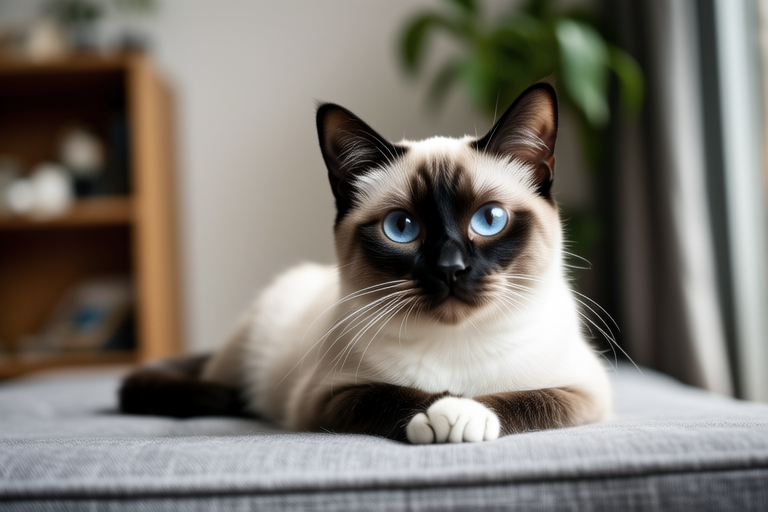
Siamese Cats: The Talkative, Affectionate Breed You Need in Your Life
Welcome to the world of Siamese cats, one of the most fascinating and captivating breeds you could ever bring into your home. With their striking blue almond-shaped eyes, sleek coats, and unmistakable vocalizations, Siamese cats have captured the hearts of many cat enthusiasts for centuries. In this article, we will explore the rich history, unique physical characteristics, vocal nature, intelligence, and affectionate behavior of these charming felines. We’ll also delve into how they interact with families, children, and other pets, as well as provide essential tips on caring for a Siamese cat. By the end, you’ll be convinced that a Siamese cat is the perfect companion for your household.
A Brief History of the Siamese Cat
The Siamese cat has a long and storied history, dating back to ancient Siam (modern-day Thailand). These cats were once considered sacred animals, often associated with temples and royalty. According to legend, they were revered for their ability to protect against evil spirits and were sometimes kept by Buddhist monks. The first documented account of Siamese cats in Europe dates back to the late 19th century when a pair was presented as gifts to the British Consul-General in Bangkok. Their unique appearance quickly gained attention, and soon after, they were introduced to the United States. Today, the Siamese cat is one of the most popular breeds worldwide, cherished for its distinctive features and personality.
Physical Characteristics
Siamese cats are known for their elegant, slender bodies, muscular build, and graceful movements. They typically weigh between 8 and 12 pounds and stand at approximately 8 to 10 inches tall. One of the most striking features of the Siamese cat is its coat, which is short, fine, and glossy. The coloration is characterized by a light-colored body with darker points on the ears, face, paws, and tail. This color pattern, known as pointed or colorpoint, is due to a temperature-sensitive enzyme that causes dark pigmentation in cooler areas of the body. The breed comes in four recognized colors: seal point (dark brown), chocolate point (light brown), blue point (grayish-blue), and lilac point (pale gray).
Vocal Nature
If you’re looking for a quiet cat, the Siamese may not be the right choice for you. Known for their talkative nature, Siamese cats are often referred to as the “Linguists of the Feline World.” They communicate with their owners through a variety of vocalizations, from soft meows to loud chirps and trills. These vocalizations can serve various purposes, such as seeking attention, expressing excitement, or simply sharing their thoughts. Some Siamese cats even develop a habit of mimicking human speech patterns, making them seem almost like conversational partners. While their chattiness can be charming, it’s important to note that some people find the constant talking overwhelming.
Intelligence and Problem-Solving Abilities
Siamese cats are among the most intelligent cat breeds, displaying remarkable problem-solving abilities and a curious nature. They enjoy exploring their surroundings, investigating new objects, and figuring out how things work. This curiosity often leads to playful antics, such as knocking items off shelves or opening cabinet doors. Due to their intelligence, Siamese cats require mental stimulation to prevent boredom and destructive behaviors. Providing interactive toys, puzzle feeders, and scratching posts can help keep their minds engaged and promote healthy play habits.
Affectionate Behavior Towards Humans
One of the most endearing qualities of Siamese cats is their deep affection for their human companions. They form strong bonds with their owners, often following them around the house and seeking out physical contact whenever possible. Siamese cats love to cuddle, sit on laps, and participate in family activities. They are highly social creatures, thriving in environments where they receive plenty of attention and interaction. This makes them ideal companions for individuals or families who enjoy spending quality time with their pets. However, it’s important to note that Siamese cats can become distressed if left alone for extended periods, so they are best suited for households where someone is usually home.
Interaction with Families, Children, and Other Pets
Siamese cats tend to get along well with families and children, provided they are introduced properly and given time to adjust. They are generally patient and tolerant, enjoying the company of young ones as long as they are treated gently and respectfully. It’s always a good idea to supervise interactions between children and pets to ensure everyone remains safe and comfortable. When it comes to other pets, Siamese cats can coexist peacefully with dogs and other cats, especially if they are raised together from a young age. However, their strong personalities and territorial instincts may lead to conflicts in some cases, so careful introductions and supervision are recommended.
Caring for a Siamese Cat
Dietary Needs
Siamese cats have specific dietary requirements to maintain their health and vitality. A high-quality, protein-rich diet is essential for supporting their active lifestyles and maintaining lean muscle mass. Look for cat food that lists meat as the primary ingredient and avoids fillers like corn or wheat. Additionally, Siamese cats may benefit from supplements containing omega-3 fatty acids to support their skin and coat health. Always consult with your veterinarian before introducing any new supplements or changes to your cat’s diet.
Exercise Requirements
Despite their slender build, Siamese cats are quite energetic and require regular exercise to stay healthy and happy. Interactive play sessions with toys such as feather wands, laser pointers, and puzzle feeders can help satisfy their need for activity while providing mental stimulation. Climbing trees, scratching posts, and window perches also offer opportunities for physical exercise and mental engagement. Encouraging outdoor exploration in a safe environment, such as a securely fenced yard or under supervision, can further enhance their physical fitness.
Grooming
Due to their short, fine coats, Siamese cats are relatively low-maintenance when it comes to grooming. Regular brushing helps remove loose hair and prevents matting, but excessive brushing can damage their delicate coats. Bathing is rarely necessary unless your cat gets into something particularly messy. Instead, focus on keeping their litter box clean and their nails trimmed. Pay special attention to their ears, cleaning them gently with a cotton ball and ear-cleaning solution as needed to prevent infections.
Why Siamese Cats Make Ideal Companions
The combination of their striking appearance, vocal nature, intelligence, and affectionate behavior makes Siamese cats ideal companions for various types of households. Their strong bond with their human companions provides emotional support and companionship, while their playful and curious nature keeps life exciting. Whether you’re a single individual looking for a loyal friend or a family seeking a loving addition to your home, a Siamese cat can bring joy and warmth into your life. Just remember to provide them with the attention, mental stimulation, and care they deserve, and you’ll be rewarded with a lifetime of companionship.
Conclusion
In conclusion, Siamese cats are truly remarkable creatures with a rich history, unique physical characteristics, and captivating personalities. Their talkative nature, intelligence, and deep affection for their human companions make them exceptional pets. By understanding their dietary needs, exercise requirements, and grooming preferences, you can ensure that your Siamese cat lives a long, healthy, and happy life. If you’re ready for a loyal, loving, and entertaining companion, consider adopting a Siamese cat today. You won’t be disappointed!