 By admin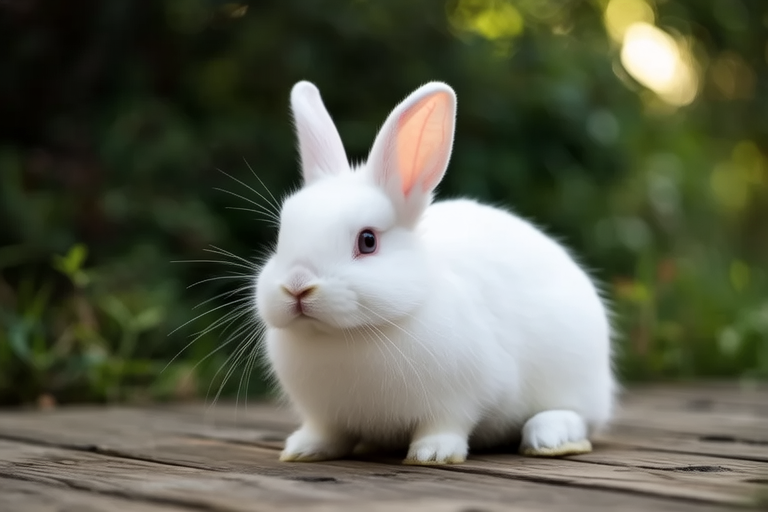
The Inside Scoop on Dutch Dwarf Rabbits: Health, Diet, and Fun Facts!
Introduction: A Unique Breed
Dutch Dwarf rabbits are one of the smallest breeds of domestic rabbits, known for their compact size and distinctive coloring. Originating from Holland, these rabbits have a rich history that dates back to the early 20th century. With their striking black-and-white coloration, they are often referred to as “Dutchies” and are adored by many for their gentle demeanor and playful nature.
These rabbits typically weigh between 1.4 and 2.3 kilograms (3 to 5 pounds) and have a sturdy, rounded body. Their short ears and dense fur make them easy to care for, while their docile temperament makes them ideal pets for families with children. Despite their small size, Dutch Dwarfs are full of energy and require plenty of attention and playtime to stay healthy and happy.
Health: Keeping Your Dutch Dwarf Happy and Healthy
Like all animals, Dutch Dwarf rabbits are prone to certain health issues. Understanding these potential problems and how to prevent them can help ensure your rabbit lives a long and healthy life.
Common Health Issues
One of the most common health issues in Dutch Dwarfs is dental disease. Because of their small mouths and teeth, it’s important to monitor their dental health regularly. Signs of dental problems include difficulty eating, drooling, or weight loss. Another common issue is respiratory infections, which can be caused by poor ventilation or exposure to drafts. Symptoms include sneezing, runny nose, and labored breathing.
Other health concerns include gastrointestinal stasis, where the digestive system slows down or stops moving food through. This can lead to bloating, pain, and eventually death if left untreated. Regular exercise and a proper diet can help prevent this condition.
Preventive Care
To keep your Dutch Dwarf healthy, it’s essential to provide them with a clean living environment, a balanced diet, and regular veterinary check-ups. Rabbits should be vaccinated against common diseases such as myxomatosis and viral hemorrhagic disease. Additionally, routine grooming helps to prevent skin conditions and hairballs.
Spaying or neutering your rabbit can also help prevent certain cancers and behavioral issues. It’s recommended to spay or neuter your Dutch Dwarf around four months of age, once they’ve reached sexual maturity.
Signs of Illness
Owners should be vigilant for signs of illness, which may include changes in appetite, unusual droppings, lethargy, or abnormal behavior. If you notice any of these signs, it’s important to consult with a veterinarian immediately. Early intervention can often mean the difference between life and death for your pet.
Diet: Feeding Your Dutch Dwarf the Right Way
A well-balanced diet is crucial for the health and longevity of your Dutch Dwarf rabbit. Understanding what foods are best for your rabbit and how much to feed them will help ensure they thrive.
What to Feed
The cornerstone of a Dutch Dwarf’s diet should be high-quality hay. Timothy hay is particularly beneficial as it aids digestion and keeps teeth healthy. Fresh vegetables and fruits should also be part of their diet, but only in moderation. Good choices include dark leafy greens like romaine lettuce, spinach, and kale. Root vegetables such as carrots and sweet potatoes should be given sparingly due to their high sugar content.
Rabbits also enjoy pellets specifically formulated for their dietary needs. These should be offered in limited quantities, as overfeeding can lead to obesity and other health issues. Treats should be given sparingly, and always opt for rabbit-safe options like apple slices or pieces of banana.
Portion Sizes
For hay, unlimited amounts should be available at all times. Pellets should be provided in small portions, approximately one tablespoon per pound of body weight daily. Fresh vegetables should make up about 10% of their diet, with no more than two tablespoons of root vegetables. Fruits should be limited to one tablespoon per day.
Nutritional Needs
Dutch Dwarfs require a diet rich in fiber, protein, and vitamins. Hay provides the necessary roughage to aid digestion and maintain dental health. Pellets offer essential nutrients, including vitamins and minerals, while fresh vegetables supply additional vitamins and antioxidants. Water is also vital, so ensure your rabbit has access to clean, fresh water at all times.
Fun Facts About Dutch Dwarf Rabbits
From their colorful past to their quirky personalities, Dutch Dwarf rabbits have a lot to offer. Here are some fun facts that will give you a deeper appreciation for this delightful breed.
History
The Dutch Dwarf rabbit was developed in the Netherlands during the early 1900s. Breeders sought to create a small, robust rabbit that could be easily kept as a pet or used for breeding. They crossed various small breeds, including the Netherland Dwarf and the Polish rabbit, resulting in the modern Dutch Dwarf. The breed was officially recognized by the American Rabbit Breeders Association in 1965.
Temperament
Dutch Dwarfs are known for their gentle and affectionate nature. They enjoy human interaction and are often described as being more dog-like in their behavior, following their owners around and seeking attention. However, they can also be independent and may prefer solitude at times. Early socialization is key to developing a strong bond with your rabbit.
Interesting Behaviors and Quirks
One of the most endearing traits of Dutch Dwarfs is their tendency to thump their hind legs when they’re excited or feel threatened. They may also engage in digging and burrowing behaviors, which can be redirected through the provision of toys and tunnels. Dutch Dwarfs are intelligent and can learn simple tricks, such as coming when called or using a litter box.
Another quirky behavior is their preference for hiding. Providing your rabbit with a cozy hideaway, such as a cardboard box or a commercially made rabbit house, will give them a sense of security and reduce stress.