 By admin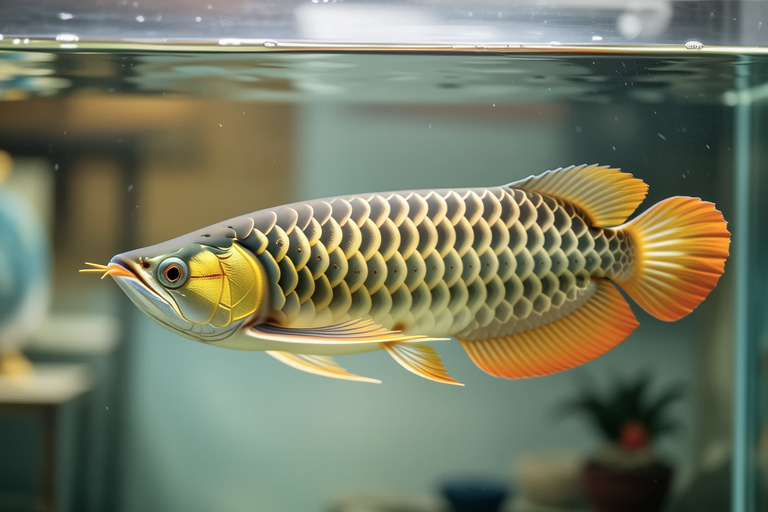
Arowana Enthusiasts Rejoice: Top Myths vs. Facts Explained
The arowana, often referred to as the dragon of the water, captivates aquarium enthusiasts worldwide with its striking appearance and mystique. Known for their elongated bodies, shimmering scales, and powerful jaws, these fish are not only visually stunning but also steeped in cultural significance and folklore. Arowanas have been revered for centuries, especially in Asian cultures, where they are believed to symbolize prosperity and good fortune. Their allure extends beyond mere aesthetics; their behaviors and unique characteristics have sparked numerous myths and misconceptions.
The Allure and Mystery of Arowanas
Native to the freshwater rivers and lakes of Asia, Africa, and South America, arowanas possess a regal presence that commands attention. Their iridescent scales, which can shimmer in hues of green, gold, and red, make them stand out in any aquarium. These fish are known for their jumping abilities, capable of leaping several feet out of the water to catch insects and small birds, a behavior that has earned them the nickname “water monkeys.” This remarkable agility, combined with their ancient lineage, contributes to the fascination surrounding arowanas.
Arowanas are highly sought after by aquarium enthusiasts due to their rarity and the challenge of keeping them healthy. However, this popularity has also given rise to various myths and misconceptions about these magnificent creatures.
Myth 1: Arowanas Can Recognize Their Owners
One of the most enduring myths about arowanas is their supposed ability to recognize and interact with their human caretakers. Many enthusiasts report that their arowanas seem to respond to their presence, swimming closer to the tank’s edge when approached. While this might be attributed to conditioning or feeding habits, there is no substantial scientific evidence to support the notion that arowanas can recognize individual humans.
Experts suggest that the perceived recognition could be a result of associative learning. Arowanas may associate the sound of footsteps or the sight of a person approaching the tank with feeding time, leading them to swim towards the front of the tank in anticipation. This behavior does not imply true recognition but rather a learned response to environmental cues.
Myth 2: Arowanas Bring Good Luck
In many Asian cultures, arowanas are considered symbols of prosperity and good fortune. The belief that owning an arowana can bring wealth and success is deeply rooted in tradition. This superstition has fueled the demand for these fish, particularly in countries like Malaysia and Singapore, where they are often kept as status symbols.
While the cultural significance of arowanas cannot be overstated, there is no scientific basis for the claim that these fish can influence one’s financial or personal success. The association between arowanas and good luck is purely symbolic and stems from cultural beliefs rather than any inherent property of the fish themselves.
Myth 3: Arowanas Can Live for Over 100 Years
Another common myth is that arowanas have an exceptionally long lifespan, often cited as over 100 years. While arowanas are indeed long-lived fish, with some individuals reaching ages of 40 to 60 years in captivity, claims of centenarian arowanas lack empirical support.
Scientific studies indicate that the average lifespan of arowanas in optimal captive conditions ranges between 20 to 40 years. Factors such as water quality, diet, and stress levels play significant roles in determining the longevity of these fish. Proper care and maintenance are essential to ensuring that arowanas live as long as possible.
Facts About Arowanas
Despite the myths, arowanas are fascinating creatures with many unique traits that are supported by scientific evidence. They are classified into several species, including the Asian arowana (Scleropages formosus), the African arowana (Heterotis niloticus), and the silver arowana (Osteoglossum bicirrhosum). Each species has distinct physical characteristics and habitat preferences.
Arowanas are carnivorous and primarily feed on insects, small fish, and crustaceans in the wild. In captivity, they require a varied diet rich in protein to maintain their health and vitality. Regular feeding with high-quality pellets, frozen foods, and occasional live prey is recommended to meet their nutritional needs.
Proper habitat conditions are crucial for the well-being of arowanas. They thrive in spacious tanks with ample swimming room and plenty of hiding spots. Water parameters should be carefully monitored, with a focus on maintaining stable pH levels, temperature, and filtration. Arowanas are sensitive to changes in their environment, and fluctuations can lead to stress and illness.
Conclusion: Ensuring the Well-Being of Arowanas
Arowanas are captivating creatures that combine beauty, history, and mystery. While myths and misconceptions abound, it is important to separate fact from fiction to ensure the best care for these magnificent fish. By understanding their true nature and requirements, aquarists can provide arowanas with the ideal living conditions necessary for their health and longevity.
For those considering adding an arowana to their aquarium, it is essential to invest in a large tank, a robust filtration system, and a nutritious diet. Regular water testing and maintenance are also critical to prevent disease and ensure the overall well-being of these fish. With proper care, arowanas can thrive in captivity, offering years of enjoyment to their owners.
As the popularity of arowanas continues to grow, so too does the responsibility of their keepers to provide them with the best possible care. By dispelling myths and embracing facts, enthusiasts can deepen their appreciation for these remarkable creatures and contribute to their conservation efforts both in the wild and in captivity.