 By admin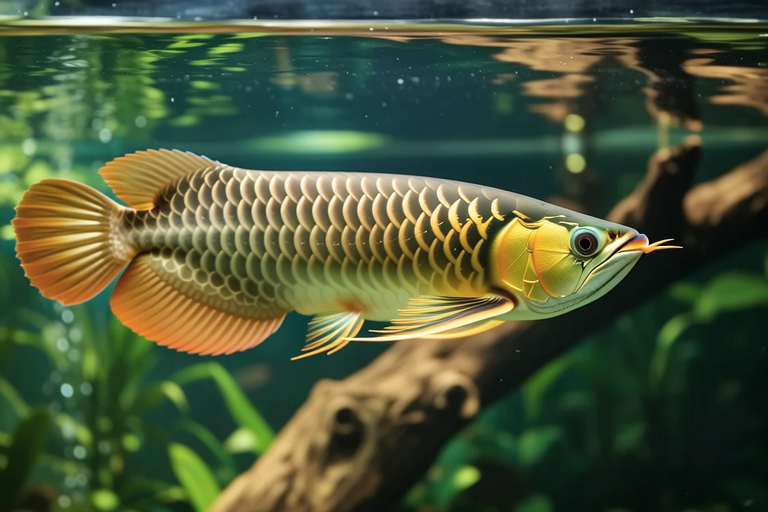
Arowana Enthusiast’s Guide: Top Tips for Raising This Exotic Pet
For many aquarists, the idea of owning an arowana can be both thrilling and daunting. These magnificent creatures, known for their striking appearance and unique behaviors, require careful consideration when it comes to their care. This guide aims to provide you with top tips for raising arowanas, ensuring that these exotic pets thrive in your home aquarium.
Tank Setup: Creating a Suitable Environment
The first step in successfully keeping arowanas is setting up a suitable tank. Arowanas are large, active fish that require ample space to swim and explore. For a single adult arowana, a tank size of at least 240 gallons is recommended. The tank should have a minimum length of 8 feet to allow for adequate swimming room. Additionally, the tank should be taller rather than wider to accommodate their vertical swimming tendencies.
Water quality is crucial for arowanas. They prefer slightly acidic water with a pH between 6.5 and 7.0. Maintaining stable water temperature between 78°F and 82°F is also important. Regular water changes and efficient filtration systems are necessary to keep the water clean and free from harmful substances. Consider using a high-quality external filter capable of handling the volume of water in the tank.
Lighting plays a significant role in the health and behavior of arowanas. Providing a photoperiod of 10 to 12 hours per day mimics natural conditions and helps regulate their circadian rhythms. Avoid overly bright lights as they may stress the fish. Instead, opt for subdued lighting that provides enough illumination without causing glare.
Water Parameters: Ensuring Optimal Conditions
Regular monitoring of water parameters is essential for maintaining optimal conditions for your arowana. Use test kits to check the levels of ammonia, nitrite, and nitrate. Ammonia and nitrite should always be at zero, while nitrate levels should be kept below 20 ppm. High levels of these chemicals can lead to serious health problems for your fish.
To maintain proper water chemistry, perform weekly water changes of about 20% of the total tank volume. This not only dilutes harmful compounds but also replenishes beneficial minerals. Additionally, consider using a dechlorinator to neutralize any chlorine or chloramine present in tap water before adding it to the tank.
Water hardness should be kept within the range of 5 to 15 dGH (degrees of general hardness). If your tap water has higher hardness, you can soften it by using reverse osmosis (RO) water or adding a water conditioner specifically designed for this purpose.
Feeding Habits: Nourishing Your Arowana
Arowanas are carnivorous fish that primarily feed on live prey in the wild. In captivity, they can be fed a variety of foods including live, frozen, and freeze-dried options. Live foods such as feeder fish, earthworms, and crickets are excellent choices for providing a balanced diet rich in nutrients. However, it’s important to quarantine live food items to prevent introducing diseases into the tank.
Frozen and freeze-dried foods like krill, bloodworms, and brine shrimp offer convenience and consistency. Supplement these with commercial pellets designed for predatory fish. Pellets provide a complete nutritional profile and can help maintain the health and coloration of your arowana.
Feeding frequency should be adjusted based on the size and age of your arowana. Younger fish require more frequent meals, typically two to three times daily. As they mature, reduce the number of feedings to once or twice per day. Overfeeding can lead to obesity and other health issues, so monitor your fish’s appetite and adjust accordingly.
Behavior and Socialization: Understanding Your Arowana
Arowanas are known for their intelligent and curious nature. They are often referred to as “the dogs of the aquarium” due to their interactive behavior with their surroundings. Arowanas are highly territorial and may become aggressive towards other fish, especially those of similar size or species. It’s advisable to house them singly or with much larger tank mates that won’t be seen as competition.
These fish exhibit fascinating behaviors, such as jumping out of the water to catch airborne prey. To prevent accidental escapes, ensure the tank is securely covered with a tight-fitting lid. They also display strong parental instincts, with males guarding the eggs and fry until they are able to fend for themselves.
Common Health Issues: Keeping Your Arowana Healthy
Like all living creatures, arowanas can fall ill if not cared for properly. Common health issues include fin rot, ich, and bacterial infections. Fin rot is characterized by frayed or discolored fins and can be treated with antibiotics. Ich appears as white spots on the body and fins and responds well to medications containing malachite green or formalin.
Bacterial infections often manifest as redness, swelling, or ulcers on the skin. Prompt treatment with appropriate antibiotics is crucial to prevent further complications. Regular observation and early intervention can significantly improve the chances of recovery.
Maintaining a clean and stress-free environment is key to preventing many health issues. Avoid overcrowding the tank, ensure proper filtration, and provide a balanced diet. Quarantine new additions to the tank for several weeks to prevent the introduction of diseases.
Conclusion: Embracing the Challenge of Owning an Arowana
Owning an arowana is a rewarding yet challenging endeavor. By understanding their specific needs and providing a suitable environment, you can ensure the health and happiness of these magnificent creatures. Remember to invest time in learning about their behaviors, dietary requirements, and potential health issues. With dedication and care, you can enjoy the unique beauty and intelligence of arowanas in your home aquarium.