 By admin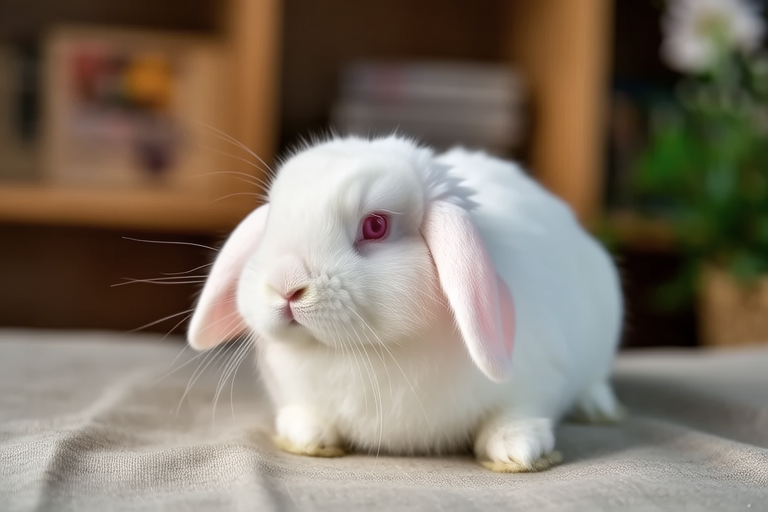
Meet the Fluffy Squishables: Why Dutch Dwarf Rabbits Steal Our Hearts
In the world of small, adorable pets, Dutch Dwarf rabbits stand out as unique and charming companions. Their compact size, friendly demeanor, and playful nature make them ideal pets for families, first-time pet owners, and even apartment dwellers. This article delves into the captivating world of Dutch Dwarf rabbits, exploring their distinctive features, personalities, and the joy they bring to their human companions.
The Unique Appearance of Dutch Dwarf Rabbits
Dutch Dwarfs are among the smallest breeds of domestic rabbits, typically weighing between two and four pounds. Their diminutive size makes them easy to handle and cuddle, but don’t let their small stature fool you—they are full of personality and energy. These rabbits have short, dense fur that comes in a variety of colors and patterns, making each one a unique little bundle of fluff. The most common coloration is white with black or blue markings, though there are also Dutch Dwarfs with chocolate, lilac, and other shades.
One of the most striking features of Dutch Dwarfs is their expressive eyes, which seem to convey curiosity and intelligence. Their alert, perky ears add to their endearing appearance, and their overall demeanor is one of gentle curiosity. It’s hard not to smile when you see a Dutch Dwarf rabbit twitching its nose and looking around with wide, inquisitive eyes.
A Heartwarming Temperament
Beyond their adorable looks, Dutch Dwarfs are known for their friendly and sociable nature. They are generally docile and enjoy interacting with humans, often seeking attention and affection. Many owners report that their Dutch Dwarfs are eager to be petted and will even nudge their hands for more scratches. This breed is also known for being playful, often engaging in activities like running around their enclosures or exploring new environments.
One of the joys of owning a Dutch Dwarf rabbit is watching them engage in their natural behaviors. They are adept at digging and burrowing, so providing them with safe spaces to tunnel can keep them entertained and mentally stimulated. My own Dutch Dwarf, named Binky, loves to dig in her litter box and create intricate tunnels beneath the bedding. Watching her work away with such focus and determination never fails to bring a smile to my face.
Despite their playful nature, Dutch Dwarfs are generally calm and easygoing, making them great pets for children and adults alike. However, it’s important to note that rabbits are prey animals and can become stressed if handled roughly or exposed to sudden loud noises. Gentle handling and a calm environment are key to keeping your Dutch Dwarf happy and healthy.
Care Requirements for Dutch Dwarf Rabbits
While Dutch Dwarfs are relatively low-maintenance pets, they still require proper care to thrive. One of the most important aspects of rabbit care is providing a suitable living space. Dutch Dwarfs should be housed in a spacious enclosure that allows them to move around freely and stretch their legs. A minimum cage size of 30 inches by 48 inches is recommended, though larger enclosures are always better. The cage should have solid flooring to prevent sore hocks, a condition caused by pressure sores from wire floors.
Alongside a comfortable living space, Dutch Dwarfs need access to fresh hay, water, and a balanced diet. Timothy hay should make up the bulk of their diet, supplemented with fresh vegetables and a small amount of pellets designed specifically for rabbits. Providing a variety of greens and vegetables not only ensures a nutritious diet but also keeps your rabbit mentally stimulated as they explore and nibble on different foods.
Regular grooming is another essential aspect of caring for a Dutch Dwarf rabbit. Their short, dense fur requires brushing to remove loose hairs and prevent matting. During shedding seasons, daily brushing may be necessary to keep their coat smooth and tangle-free. Bathing should be avoided unless absolutely necessary, as rabbits can become stressed by water and may develop skin issues if bathed too frequently.
Health Considerations for Dutch Dwarf Rabbits
Like all pets, Dutch Dwarfs are susceptible to certain health issues, but with proper care, many of these can be prevented or managed. One common issue in rabbits is dental disease, which can occur if their teeth grow too long due to insufficient wear. Providing plenty of hay and chew toys can help keep their teeth in check. Regular veterinary check-ups are also crucial for early detection of any dental problems.
Gastrointestinal stasis, a potentially life-threatening condition where a rabbit’s digestive system slows down or stops, is another concern for rabbit owners. Keeping your rabbit active and engaged can help prevent this, as well as maintaining a consistent feeding schedule and providing a diet rich in fiber. Signs of gastrointestinal distress include lethargy, loss of appetite, and changes in droppings, so it’s important to monitor your rabbit closely and seek veterinary care if you notice any concerning symptoms.
Tips for Adopting a Dutch Dwarf Rabbit
If you’re considering adding a Dutch Dwarf rabbit to your family, there are several things to keep in mind. First and foremost, research local rescue organizations and shelters before purchasing from a breeder. Many rabbits are surrendered to shelters due to various reasons, and adopting one gives them a second chance at a loving home. If you choose to adopt from a shelter, be prepared to meet with staff who can provide valuable insights about the rabbit’s history and personality.
Once you’ve brought your new Dutch Dwarf home, take the time to acclimate them to their new surroundings. Set up their living space in advance, ensuring it’s clean and inviting. Introduce them to family members gradually, allowing them to become familiar with their new environment before handling them too much. Patience is key during this transition period, as rabbits can be sensitive to change.
Finally, consider enrolling in a basic rabbit care class or workshop to learn more about the specific needs of your new pet. Many local animal shelters and veterinary clinics offer classes on rabbit care, handling, and enrichment activities. These resources can provide invaluable information and help ensure your Dutch Dwarf rabbit lives a long, happy, and healthy life.
The Unconditional Love of Dutch Dwarf Rabbits
At the heart of every Dutch Dwarf rabbit’s appeal is their capacity for unconditional love. These small, fluffy creatures form strong bonds with their human companions, offering comfort and companionship in ways that few other pets can match. Whether it’s curling up next to you on the couch or greeting you at the door with a joyful hop, Dutch Dwarfs have a way of melting hearts and bringing joy to everyday moments.
My personal experience with Binky has been nothing short of transformative. From the moment I brought her home, she filled my life with laughter and warmth. Watching her grow from a tiny, curious baby into a confident adult has been a journey of discovery and connection. Her presence has taught me the value of patience, compassion, and the simple joys of life.
For anyone considering adopting a Dutch Dwarf rabbit, I encourage you to open your heart to these delightful creatures. With their playful nature, affectionate personalities, and unique charm, Dutch Dwarfs are sure to steal your heart and become cherished members of your family.