 By admin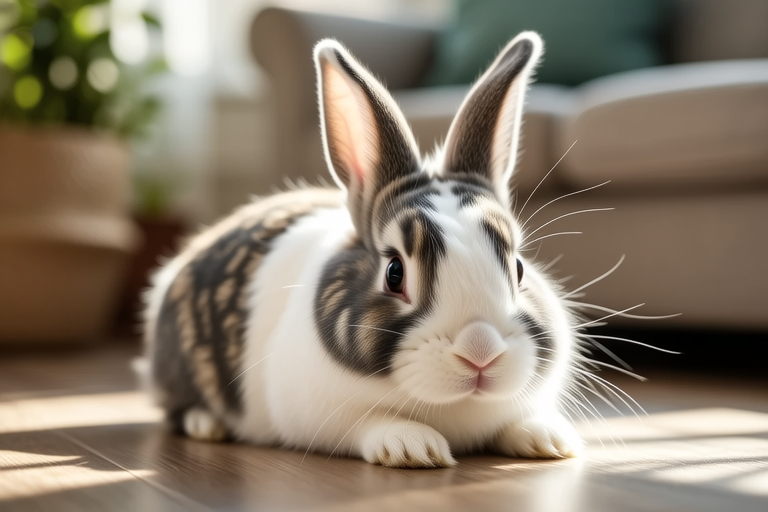
Adorable and Compact: All You Need to Know About Dutch Dwarf Rabbits
Dutch Dwarf rabbits are a delightful breed known for their small size and charming appearance. Their compact stature and friendly demeanor make them a favorite among rabbit enthusiasts. These bunnies are not just cute; they are also intelligent and affectionate, making them wonderful companions for the right household.
Introduction: The Charm of Dutch Dwarfs
The Dutch Dwarf rabbit is one of the smallest breeds of domestic rabbits, weighing around 2 to 3 pounds when fully grown. They are characterized by their round heads, short ears, and large eyes that give them an endearing, almost puppy-like expression. Their compact size and manageable weight make them ideal pets for apartment dwellers or those with limited space. Despite their small size, these rabbits pack a lot of personality, offering companionship and entertainment without overwhelming living spaces.
Origin and History
The origins of the Dutch Dwarf rabbit can be traced back to the early 20th century, where they were developed in the Netherlands. Breeders aimed to create a smaller version of the larger Dutch rabbit, which was already popular for its distinctive color patterns and docile nature. By crossing various dwarf breeds, they succeeded in producing a rabbit that retained the appealing features of the Dutch breed but with a much smaller frame. The result was the Dutch Dwarf, recognized officially in the United States by the American Rabbit Breeders Association (ARBA) in 1964.
Physical Characteristics
Dutch Dwarfs have a stocky, compact body structure, giving them a robust appearance. They come in a variety of colors, including black, blue, chocolate, and white, often with distinct markings that include a white blaze on the face, a white belly, and white feet. Their short, dense fur requires minimal grooming, usually just a weekly brushing to remove loose hair and prevent matting. Their large, expressive eyes and tiny noses add to their charm, making them irresistible to many pet lovers.
Temperament
One of the most appealing aspects of Dutch Dwarf rabbits is their temperament. They are generally calm, gentle, and sociable, making them excellent pets for families with children. While they are not overly active, they enjoy interaction and can be trained to respond to commands and even use a litter box. Their intelligence means they can learn tricks and enjoy mental stimulation, such as puzzle toys. However, like all animals, each rabbit has its own unique personality, so it’s important to spend time getting to know your Dutch Dwarf to understand its specific needs and preferences.
Common Health Issues
Despite their hardiness, Dutch Dwarfs, like other small rabbit breeds, are prone to certain health issues. One common problem is dental disease, particularly malocclusion, where the teeth grow unevenly and need regular trimming by a veterinarian. Another concern is obesity, which can lead to heart problems and arthritis. Providing a balanced diet and ensuring adequate exercise are crucial to maintaining good health. Additionally, they are susceptible to respiratory infections and digestive disorders, so keeping their environment clean and dry is essential.
Dietary Needs
A proper diet is vital for the health and well-being of Dutch Dwarf rabbits. Their diet should consist primarily of high-quality hay, which provides essential fiber for digestion and helps maintain dental health. Fresh vegetables, such as carrots, broccoli, and spinach, can be offered in moderation as treats. It’s important to introduce new foods gradually to avoid upsetting their sensitive stomachs. Commercial rabbit pellets can be given in limited quantities, as they are high in calories and can contribute to weight gain if overfed. Always provide fresh water, either from a sipper bottle or a shallow dish.
Exercise Requirements
While Dutch Dwarfs are not as energetic as some larger breeds, they still require daily exercise to stay healthy and happy. A spacious cage or hutch is necessary, with dimensions of at least 30 inches long, 20 inches wide, and 18 inches high. In addition to their living space, they should have supervised playtime outside the enclosure in a rabbit-proofed area. This allows them to stretch their legs, explore, and engage in natural behaviors like digging and hopping. Regular exercise helps prevent obesity and promotes overall fitness.
Suitable Living Conditions
Dutch Dwarfs thrive in environments that are clean, dry, and safe. Their living quarters should be protected from drafts and extreme temperatures, with a temperature range of 60 to 70 degrees Fahrenheit being ideal. They should have access to plenty of bedding material, such as straw or shredded paper, for comfort and warmth. The cage or hutch should be equipped with a solid floor to prevent sore hocks, a condition caused by prolonged exposure to wire flooring. Providing hiding spots and tunnels made from cardboard boxes or commercially available toys can help reduce stress and stimulate their natural instincts.
Tips for Choosing and Caring for a Dutch Dwarf Rabbit
When considering a Dutch Dwarf rabbit as a pet, it’s important to research reputable breeders who prioritize the health and welfare of their animals. Look for signs of good care, such as clean living areas, friendly interactions between rabbits, and willingness to answer questions about the rabbits’ lineage and health history. Once you’ve chosen your rabbit, take the time to acclimate it to its new home by providing a quiet, familiar environment. Gradually introduce new elements, such as toys and treats, to help your rabbit feel comfortable and secure.
In terms of care, consistency is key. Establishing a routine for feeding, cleaning, and handling will help your rabbit feel secure and promote bonding. Regular veterinary check-ups are essential for monitoring health and addressing any issues promptly. Socialization is also important, as Dutch Dwarfs benefit from positive interactions with humans and other animals. Spending quality time together through play, grooming, and training can strengthen your bond and ensure a happy, healthy companion.
Why Dutch Dwarfs Make Great Companions
Dutch Dwarf rabbits make excellent companions for the right households due to their charming appearance, gentle temperament, and manageable size. They offer a unique blend of companionship and entertainment, bringing joy and affection to their human families. Their adaptability makes them suitable for a variety of living situations, from small apartments to larger homes. With proper care and attention, Dutch Dwarfs can live up to ten years, providing long-lasting companionship and love. For those willing to invest time and effort into their well-being, Dutch Dwarfs can become cherished members of the family, offering endless moments of happiness and connection.