 By admin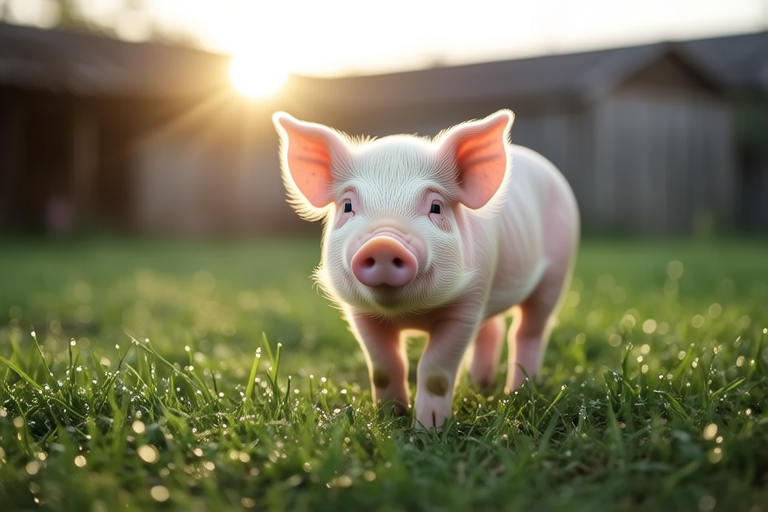
From Farm to Home: How Mini Pigs Are Winning Hearts Worldwide
Introduction:
Welcome to the world of mini pigs, where love and loyalty meet in the most unexpected of places. These charming creatures have gone from being mere farm animals to cherished family members in homes across the globe. In this article, we will explore the fascinating journey of mini pigs, delving into their history, unique characteristics, and the reasons behind their growing popularity. We’ll also address common misconceptions, provide essential care tips, and share heartwarming stories of successful adoptions. Whether you’re an aspiring pig parent or simply an animal lover, get ready to fall in love with the captivating world of mini pigs.
The History and Origins of Mini Pigs
Mini pigs, also known as teacup pigs or micro pigs, trace their roots back to ancient times when wild boars roamed freely across Europe, Asia, and parts of Africa. Over centuries, selective breeding led to the development of various domesticated pig breeds, each with distinct traits and sizes. The modern mini pig is a result of crossbreeding smaller pig varieties, such as the Juliana pig and the KuneKune, with careful selection for size and temperament.
These pint-sized pigs were initially bred for specific purposes on farms, such as laboratory research, meat production, or as exotic pets. However, it wasn’t until recently that they began capturing the hearts of pet owners worldwide. Their compact size, gentle demeanor, and intelligence made them ideal candidates for domestication. Today, mini pigs are recognized as one of the fastest-growing trends in the pet industry, with enthusiasts and advocates sharing their love for these remarkable animals through social media and community groups.
The Transition from Farm Animals to Beloved Pets
The shift from farm animals to beloved pets has been gradual but profound. As more people discovered the joy of owning a mini pig, breeders began focusing on producing smaller, friendlier, and healthier pigs suitable for home environments. This led to the emergence of reputable breeders who prioritize ethical practices, health testing, and proper socialization of piglets.
Today, mini pigs are often adopted from rescue organizations, shelters, and private breeders. Many individuals choose to adopt rather than purchase, ensuring that their new family member comes from a loving background. Rescue organizations play a crucial role in rehoming pigs that may have been abandoned or mistreated, providing them with a second chance at a happy life.
Key Characteristics That Make Mini Pigs Attractive Companions
Mini pigs possess a unique combination of traits that make them irresistible companions. Their intelligence, curiosity, and playful nature endear them to their human families. They are highly trainable, capable of learning tricks, commands, and even using litter boxes. Mini pigs are also incredibly affectionate, forming strong bonds with their owners and enjoying close physical contact.
Despite their small size, mini pigs are surprisingly adaptable and can thrive in various living situations, from urban apartments to rural homesteads. Their ability to adjust to different environments makes them versatile pets, though it’s important to ensure they have ample space and mental stimulation. With proper care and attention, mini pigs can live up to 15 years, providing long-lasting companionship.
Common Misconceptions About Keeping Mini Pigs as Pets
One of the most common misconceptions about mini pigs is that they remain tiny throughout their lives. While some mini pigs may stay relatively small, others can grow to be larger than expected. It’s essential to research and understand the breed-specific growth patterns before adopting a mini pig. Another misconception is that mini pigs require minimal care. In reality, they demand time, effort, and resources to ensure their well-being.
Some people believe that mini pigs are low-maintenance pets, but they require regular grooming, socialization, and mental stimulation. Providing these needs helps prevent behavioral issues and promotes a healthy, happy pig. Additionally, mini pigs are often mistaken for being solitary animals, but they are social creatures that thrive in the company of humans and other animals.
Essential Care Tips: Diet, Exercise, and Space Requirements
Proper nutrition is vital for maintaining a mini pig’s health and longevity. A balanced diet consisting of high-quality commercial pig pellets, fruits, vegetables, and occasional treats ensures optimal nutrition. It’s important to consult with a veterinarian to determine the appropriate portion sizes and feeding schedule based on your pig’s age, weight, and activity level. Avoid feeding mini pigs foods high in sugar, salt, or fat, as these can lead to obesity and other health problems.
Exercise is equally important for mini pigs. Regular physical activity helps maintain a healthy weight and promotes overall well-being. Mini pigs enjoy exploring their surroundings, so providing a safe, enclosed area for them to roam is essential. Interactive toys and puzzles stimulate their minds and keep them engaged. Social interaction with humans and other animals also plays a significant role in their happiness and development.
Space requirements vary depending on the individual pig and living situation. Mini pigs need sufficient room to move around comfortably, stretch out, and engage in natural behaviors. Providing a spacious indoor living area and a secure outdoor enclosure allows them to experience both environments safely. It’s crucial to ensure that all spaces are free from hazards and potential toxins.
Stories or Examples of Successful Mini Pig Adoptions
Meet Bella, a rescued mini pig who was once neglected and malnourished. After being adopted by her new family, Bella underwent a remarkable transformation. With love, care, and proper nutrition, she regained her strength and became an affectionate and playful companion. Her story highlights the importance of rescue efforts and the positive impact they can have on animals’ lives.
Another inspiring example is Charlie, a mini pig who found his forever home after being surrendered to a shelter. His new owners quickly realized that Charlie had a knack for performing tricks and soon began training him. Today, Charlie is a social media sensation, showcasing his talents and bringing joy to countless viewers. Stories like Bella’s and Charlie’s demonstrate the resilience and adaptability of mini pigs, as well as the transformative power of adoption.
The Growing Popularity and Community Support Around Mini Pigs
The surge in mini pig ownership has sparked the formation of vibrant communities dedicated to supporting and advocating for these unique pets. Online forums, social media groups, and local meetups provide opportunities for owners to connect, share experiences, and offer advice. These platforms foster a sense of belonging and camaraderie among pig parents, creating a supportive network for those embarking on the mini pig journey.
In addition to online communities, many cities host annual mini pig events and expos, offering exhibitors, workshops, and educational sessions. These gatherings celebrate the bond between humans and mini pigs while promoting responsible ownership and raising awareness about the challenges faced by rescue organizations. The growing popularity of mini pigs has also inspired various fundraising initiatives, benefiting rescue efforts and improving the lives of pigs in need.
Conclusion:
From farm animals to cherished family members, mini pigs have captured the hearts of pet owners worldwide. Their rich history, endearing characteristics, and growing popularity make them ideal companions for those seeking a unique and rewarding relationship. By addressing common misconceptions, providing essential care tips, and sharing inspiring adoption stories, we hope to encourage responsible ownership and promote the well-being of these remarkable animals. Whether you’re considering adopting a mini pig or simply appreciating their charm, there’s no denying the special place they hold in our hearts.