 By admin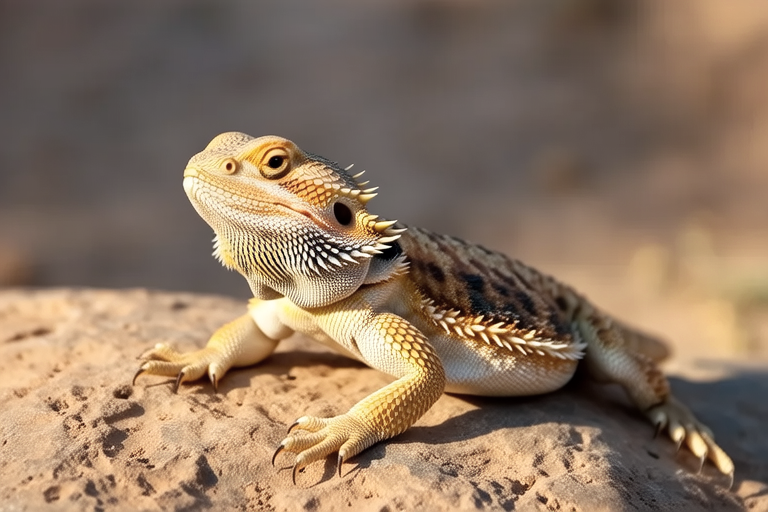
Bearded Dragon Behavior Explained: Understanding Their Every Move
Bearded dragons, scientifically known as Pogona vitticeps, have become increasingly popular pets due to their docile nature, striking appearance, and relatively low maintenance requirements. Originating from the arid regions of Australia, these lizards are well-adapted to dry, warm climates. Their unique physical features, including their spiky scales and ability to change color, make them visually appealing to many pet owners. Moreover, bearded dragons are generally easy to handle and can live up to 10 years with proper care.
The Popularity of Bearded Dragons
Bearded dragons are one of the most sought-after reptiles in the pet trade today. Their popularity stems from several factors: they are hardy, adaptable, and require less space than many other lizard species. Additionally, their docility makes them ideal for first-time reptile owners. The ease of care, combined with their fascinating behaviors, has made bearded dragons a favorite among both children and adults alike.
Understanding Key Behaviors
Head Bobbing
One of the most noticeable behaviors of bearded dragons is head bobbing. This action involves the rapid movement of the head up and down, often accompanied by a puffed-out beard. Head bobbing is primarily a display of dominance or territoriality. Male bearded dragons are more likely to engage in this behavior, especially when interacting with other males. It serves as a way to assert their position within the hierarchy and to intimidate potential rivals.
However, head bobbing can also occur in response to perceived threats. If your bearded dragon bobs its head when you enter the room, it may be a sign that it feels threatened or is unsure about your presence. In such cases, it is important to give your dragon some time to acclimate to its surroundings before handling it.
Arm Waving
Arm waving is another common behavior observed in bearded dragons. This behavior involves the slow, deliberate waving of one front leg, usually followed by a pause. Arm waving is primarily a submissive gesture used to communicate peaceful intentions to other dragons. It is often seen in younger or smaller dragons that are trying to avoid conflict with larger or older individuals.
In a domestic setting, arm waving can indicate that your bearded dragon is feeling stressed or overwhelmed. If your dragon starts waving its arm frequently, it may be a sign that the environment needs adjustment. This could include reducing the number of visitors, providing more hiding spots, or ensuring that the enclosure is spacious enough for your dragon to move around comfortably.
Puffing Up Their Beards
When a bearded dragon puffs out its throat, it is a clear indication that it is feeling threatened or aggressive. This behavior is linked to the lizard’s natural defense mechanism. By expanding the throat, the bearded dragon creates the illusion of being larger and more intimidating to potential predators or competitors. This puffing up is often accompanied by darkening of the skin, which helps to further enhance the appearance of danger.
In captivity, if your bearded dragon puffs out its beard, it is essential to identify the source of stress. Common triggers include loud noises, sudden movements, or the presence of other animals. Providing a secure, calm environment can help reduce the frequency of this defensive behavior. Ensuring that your dragon has plenty of hiding spots and is not overly exposed can contribute to its sense of security.
Changes in Color
Bearded dragons are known for their ability to change color, which can range from light brown to dark green, depending on their mood and environment. These color changes serve multiple purposes. For example, darker colors help absorb heat, which is beneficial in cooler environments, while lighter colors reflect sunlight, preventing overheating in hot conditions. Additionally, color changes can signal emotional states, such as stress or excitement.
As an owner, it is crucial to monitor your bearded dragon’s coloration for any unusual patterns. Sudden changes in color can sometimes indicate health issues, such as infections or parasites. If you notice persistent color changes or other concerning symptoms, consult a veterinarian specializing in reptiles for a thorough examination.
Tips for Owners
Interpreting the behaviors of your bearded dragon accurately is key to providing the best possible care. Here are some tips to help you understand and respond to your dragon’s actions:
- Observe Regularly: Spend time observing your bearded dragon daily to familiarize yourself with its normal behaviors. This will help you quickly identify any deviations that might indicate stress or illness.
- Create a Comfortable Environment: Ensure that your dragon’s enclosure mimics its natural habitat as closely as possible. Provide appropriate lighting, temperature, and humidity levels to promote healthy behavior.
- Handle Gently: When handling your bearded dragon, always approach slowly and avoid startling it. Use gentle, steady movements to pick it up and place it back down.
- Provide Hiding Spots: Offer various hiding spots within the enclosure to allow your dragon to retreat if it feels threatened. This can significantly reduce stress-related behaviors.
- Monitor Feeding Habits: Pay attention to your dragon’s appetite and eating habits. A sudden decrease in food intake can be a sign of underlying health issues.
Maintaining a Healthy Environment
To encourage natural behaviors in your bearded dragon, it is vital to maintain a healthy and stimulating environment. Here are some recommendations:
- Proper Lighting: Install UVB lighting to provide essential vitamin D synthesis and calcium absorption. Ensure that the lights are positioned correctly and replaced regularly according to manufacturer guidelines.
- Adequate Temperature: Maintain a temperature gradient within the enclosure, with a basking spot reaching approximately 100°F (38°C) and a cool side around 75°F (24°C). This allows your dragon to regulate its body temperature effectively.
- Humidity Levels: While bearded dragons prefer dry environments, maintaining a relative humidity level between 30% and 40% is crucial for their overall health. Use a hygrometer to monitor humidity and adjust as necessary.
- Substrate Choice: Opt for safe substrates like newspaper, paper towels, or reptile carpet to prevent ingestion hazards and facilitate easy cleaning.
- Environmental Enrichment: Incorporate climbing structures, branches, and rocks to encourage natural behaviors such as basking and exploring. This enrichment can also stimulate mental and physical activity.
By understanding and addressing the needs of your bearded dragon, you can create a thriving and happy environment for your pet. Regular interaction, attentive care, and a well-maintained habitat will contribute to your dragon’s well-being and longevity.
In conclusion, bearded dragons exhibit a wide array of behaviors that are integral to their survival and social interactions. From head bobbing to color changes, each action provides valuable insights into the lizard’s emotional state and health. As a responsible owner, it is essential to interpret these behaviors correctly and take appropriate measures to ensure your bearded dragon’s well-being. By creating a nurturing environment that supports natural behaviors, you can enjoy a rewarding and fulfilling relationship with your scaly companion.