 By admin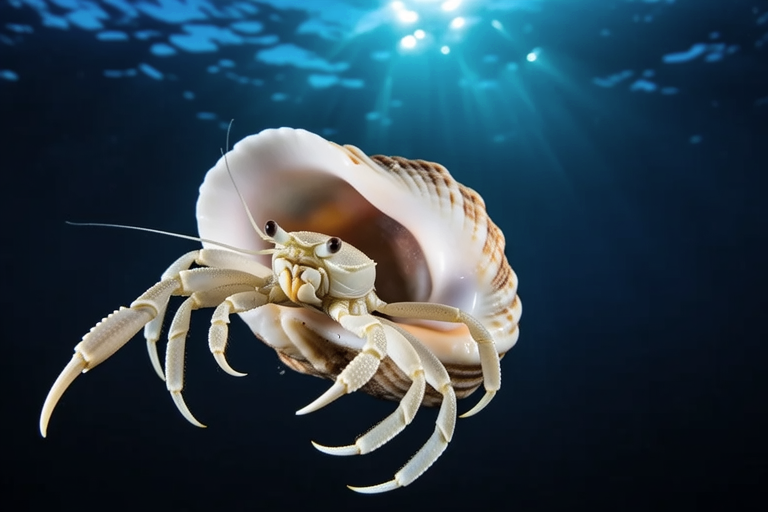
How Pea Crabs Survive by Living in Another Animal’s Home
In the vast and intricate world of marine biology, one of the most fascinating relationships is that between pea crabs and their hosts. This symbiotic relationship, known as commensalism, where one organism benefits while the other remains unaffected, has evolved into a complex and mutually beneficial arrangement. Pea crabs, some of the smallest crabs in the ocean, have developed a unique way of surviving by living inside the bodies of other animals, such as sea squirts and various bivalves. This article delves into the details of how these tiny crustaceans manage to thrive in such an unusual environment, highlighting the physical and behavioral adaptations they have made over time.
The Symbiotic Relationship
Symbiosis is a close and often long-term interaction between two different biological species. In the case of pea crabs, their relationship with their hosts is a prime example of commensalism. While the pea crabs benefit greatly from this arrangement, the host animals remain largely unharmed. The relationship is characterized by the pea crabs taking shelter within the host’s body, providing them with protection from predators and harsh environmental conditions. This mutualistic relationship also ensures a steady supply of food for the crabs, as they can feed on the host’s tissues and waste products.
Common Host Species
Pea crabs have adapted to live within a variety of hosts, each offering unique advantages. One of the most common hosts for pea crabs is the sea squirt, a small, simple marine animal belonging to the subphylum Urochordata. Sea squirts are filter feeders that draw water through their siphons, trapping particles of food. Inside the sea squirt, pea crabs find both refuge and sustenance. Other popular hosts include various species of bivalves, such as clams, mussels, and oysters. These shelled creatures provide a secure and enclosed environment for the pea crabs, allowing them to avoid predation and maintain a stable habitat.
Benefits for Pea Crabs
The primary advantage pea crabs gain from this arrangement is protection. By living inside their hosts, pea crabs are shielded from many of the dangers that lurk in the open ocean. They are less vulnerable to being eaten by larger predators, as their hosts’ shells or tough outer layers serve as natural armor. Additionally, the enclosed spaces within their hosts offer a more stable and predictable environment, reducing the stress of constant movement and exposure to changing conditions.
Another significant benefit is the guaranteed food supply. Pea crabs feed on the tissues and waste products of their hosts, ensuring a continuous source of nutrition. This arrangement allows them to focus their energy on growth and reproduction rather than foraging for food. Furthermore, the cramped quarters of their hosts force the pea crabs to develop efficient feeding strategies, optimizing their intake of nutrients from limited resources.
Adaptations for Host Life
To survive and thrive within their hosts, pea crabs have undergone numerous physical and behavioral adaptations. Physically, pea crabs have developed flattened bodies that allow them to fit snugly within the confines of their hosts. Their legs are typically shorter and less robust compared to those of their free-living relatives, as they no longer need to swim or crawl across the seafloor. Instead, their limbs are specialized for gripping onto the internal structures of their hosts, ensuring they do not get dislodged during the host’s movements.
Behaviorally, pea crabs have become highly attuned to the rhythms of their hosts. They synchronize their activities with the host’s feeding cycles, ensuring they are present when the host’s food is most abundant. This synchronization helps maximize their efficiency in extracting nutrients from the host’s tissues. Additionally, pea crabs have developed a heightened sense of awareness, allowing them to detect potential threats or changes in their environment, even within the confines of their hosts.
Ecological Significance
The relationship between pea crabs and their hosts plays a crucial role in marine ecosystems. As part of the food web, pea crabs contribute to nutrient cycling by breaking down organic matter within their hosts. This process helps maintain the balance of nutrients in the surrounding waters, supporting the growth of other organisms. Moreover, the presence of pea crabs within their hosts can influence the health and survival rates of these hosts, potentially affecting broader ecological dynamics.
In conclusion, the symbiotic relationship between pea crabs and their hosts is a testament to the complexity and adaptability of life in the ocean. Through this unique arrangement, pea crabs have found a way to survive and thrive in an otherwise challenging environment. Their physical and behavioral adaptations highlight the incredible diversity of life forms and strategies that have evolved in the marine world. Understanding these relationships not only enriches our knowledge of marine biology but also underscores the importance of maintaining healthy and balanced ecosystems.