 By admin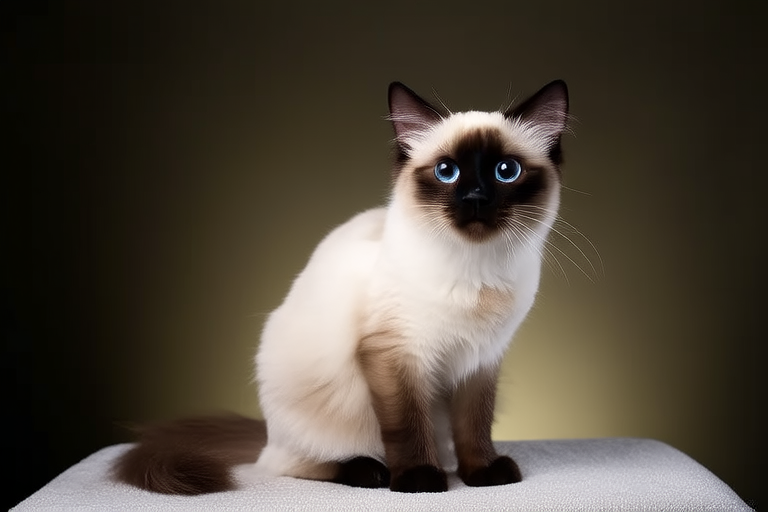
How to Care for Your Siamese Cat Like a Pro: Expert Tips Revealed
Welcome to the world of Siamese cats, one of the most fascinating and unique breeds you could ever share your home with. Known for their striking blue almond-shaped eyes, sleek coats, and vocal personalities, these felines have captured the hearts of many. However, caring for a Siamese cat requires more than just feeding them and providing a cozy bed. This article will guide you through expert tips on understanding their behavior, dietary needs, grooming requirements, exercise and playtime, common health issues, and creating a stimulating environment. Let’s dive into the specifics of what it takes to care for your Siamese cat like a pro.
Understanding Siamese Cat Behavior
Siamese cats are known for their social nature and intelligence. They thrive on human interaction and can become quite attached to their owners. Unlike some other breeds, Siamese cats are not content with simply lounging around; they enjoy being involved in family activities and often follow their owners from room to room. Their curiosity and desire for attention make them excellent companions but also means they can be prone to separation anxiety if left alone for extended periods.
One of the most distinctive traits of Siamese cats is their vocalization. These vocalizations range from gentle chirps to loud meows, and they often communicate their needs or desires by ‘talking’ to their owners. While this can be charming, it’s essential to understand that Siamese cats use their voice as a way to engage with their environment and express emotions. Encouraging quiet times and providing distractions during loud periods can help manage this behavior.
Dietary Needs Tailored for Siamese Cats
Siamese cats have specific dietary needs due to their active lifestyle and unique metabolism. High-quality protein sources such as chicken, turkey, and fish should form the core of their diet. Look for cat food that lists meat as the primary ingredient rather than fillers like corn or wheat. Omega-3 fatty acids are also crucial for maintaining their glossy coat and overall health.
Feeding your Siamese cat at regular intervals helps establish a routine and prevents overeating. Two meals a day, spaced about 12 hours apart, works well for most adult cats. It’s important to monitor their weight and adjust portion sizes accordingly to avoid obesity, which is more common in indoor cats. Additionally, ensure access to fresh water at all times.
Grooming Requirements
Siamese cats have short, fine coats that require minimal grooming compared to long-haired breeds. Weekly brushing with a soft-bristled brush helps remove loose hair and distribute natural oils throughout the coat, keeping it shiny and healthy. During shedding seasons, increasing the frequency of brushing can prevent hairballs and reduce the amount of fur around your home.
Despite their short coats, Siamese cats can develop skin issues if not properly cared for. Regular checks for any signs of irritation, redness, or unusual bumps are advisable. Bathing should be kept to a minimum unless necessary, as frequent bathing can strip the skin of its natural oils. Use a gentle, pH-balanced shampoo specifically formulated for cats.
Exercise and Playtime Suggestions
Siamese cats are naturally energetic and playful, requiring ample opportunities for physical activity and mental stimulation. Interactive toys such as laser pointers, feather wands, and puzzle feeders are excellent choices. These toys not only provide entertainment but also encourage problem-solving skills and keep them mentally engaged.
Designate specific areas within your home where your Siamese cat can explore and climb safely. Providing vertical spaces like cat trees or shelves allows them to stretch and exercise their climbing instincts. Rotate toys regularly to maintain interest and prevent boredom. Incorporating play sessions into your daily routine ensures your Siamese cat stays fit and happy.
Health Issues Common to Siamese Cats
While Siamese cats generally live longer lives than many other breeds, they are predisposed to certain health conditions. One of the most common issues is dental disease, which can lead to pain, tooth loss, and other systemic problems. Regular dental check-ups and maintaining good oral hygiene through brushing and providing dental treats are vital.
Another concern is respiratory infections, particularly in younger Siamese cats. Signs of respiratory distress include sneezing, coughing, runny nose, and difficulty breathing. Prompt veterinary attention is crucial if you notice any of these symptoms. Additionally, Siamese cats may be more susceptible to certain genetic disorders, including progressive retinal atrophy and heart murmurs. Routine check-ups with a veterinarian can help catch these issues early and manage them effectively.
Advice on Creating a Stimulating Environment
To keep your Siamese cat mentally stimulated and physically active, create an environment that encourages exploration and play. Provide scratching posts in various locations throughout your home to satisfy their instinctual need to scratch and stretch. Consider incorporating interactive feeding stations or puzzle toys that challenge them to work for their food.
Incorporate vertical spaces such as cat trees, perches, and shelves to allow your Siamese cat to climb and observe their surroundings from different angles. This not only provides exercise but also mimics their natural hunting behaviors. Ensure that all climbing structures are stable and safe for your cat.
Finally, consider introducing a companion for your Siamese cat if they show signs of loneliness or boredom. Another cat can provide company, reduce stress, and increase opportunities for play. However, introductions should be gradual and supervised to ensure compatibility.
Conclusion
Caring for a Siamese cat is a rewarding experience filled with love, companionship, and unique challenges. By understanding their behavior, tailoring their diet, maintaining proper grooming, ensuring adequate exercise, addressing potential health issues, and creating a stimulating environment, you can ensure your Siamese cat leads a happy and healthy life. Remember, each Siamese cat is an individual with its own personality and preferences, so adapt these guidelines to suit your cat’s specific needs. With dedication and care, you’ll form a strong bond with your Siamese companion that lasts a lifetime.