 By admin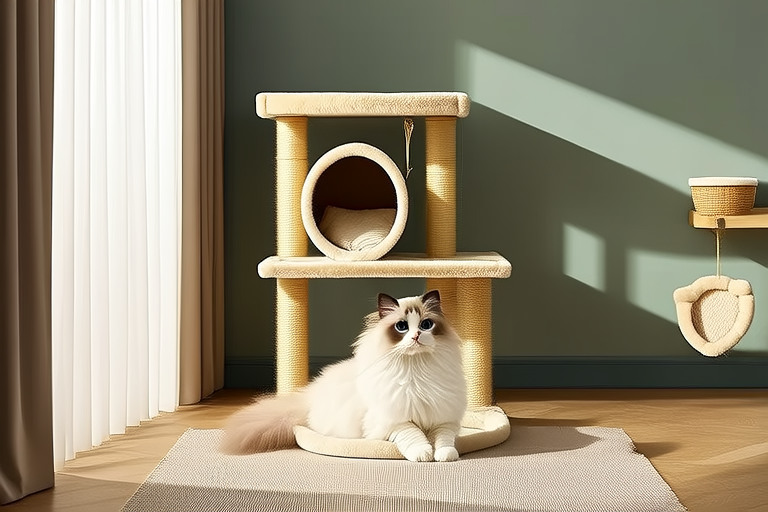
How to Make Your Home Persian Cat-Friendly: Essential Hacks and Decor Ideas
Persian cats are known for their striking beauty, luxurious coats, and gentle demeanor. However, owning one of these majestic felines requires a thoughtful approach to home design and maintenance. Persian cats have specific needs that must be addressed to ensure they live comfortably and happily in your home. This article will guide you through creating a Persian cat-friendly environment by discussing essential hacks and decor ideas.
Creating Safe Spaces
Persians love cozy, quiet spots where they can retreat and feel secure. To create safe spaces, consider setting up elevated platforms or cat trees with soft cushions. These provide vantage points from which your cat can observe their surroundings while feeling protected. Ensure these areas are easily accessible and free from hazards such as dangling cords or sharp objects.
Additionally, establish a designated resting area away from high-traffic zones like living rooms or kitchens. Use comfortable bedding materials like fleece or faux fur to mimic their natural habitat’s warmth and softness. Place this area near a window where they can enjoy views of birds or other outdoor activities.
Suitable Furniture Choices
Selecting appropriate furniture is crucial when designing a Persian cat-friendly home. Opt for furniture with rounded edges to prevent injury during play or when jumping onto surfaces. Leather sofas may seem appealing but can be uncomfortable for long-haired Persians due to static electricity issues. Instead, choose fabrics that are easy to clean and maintain, such as microfiber or cotton blends.
Consider incorporating plush cushions or bean bag chairs into your living space. These offer extra padding and support for your cat’s joints, especially beneficial if your Persian has arthritis or other mobility concerns. Ensure any furniture you purchase is sturdy enough to withstand occasional scratching or clawing.
Litter Box Management
Proper litter box management is vital for maintaining hygiene and minimizing odor. For Persian cats, it’s recommended to have multiple litter boxes throughout the house—ideally one per cat plus an additional one. This reduces stress associated with competition over limited resources and provides more opportunities for them to relieve themselves comfortably.
Choose litter boxes with low sides to make entering and exiting easier for Persians, who often struggle with agility due to their heavy coats. Avoid scented litters as they might irritate sensitive noses; instead, opt for unscented clay-based options known for their absorbency and effectiveness at controlling odors.
Dietary Considerations
A balanced diet plays a significant role in keeping Persian cats healthy and happy. Their dense fur requires regular grooming, so it’s important to feed them foods rich in omega-3 fatty acids (found in fish oil) to promote skin health and reduce shedding. Consult with your veterinarian about incorporating supplements into their routine if necessary.
Ensure fresh water is always available by placing bowls strategically around the house. Many Persians prefer drinking running water, so investing in a pet fountain could encourage better hydration habits. Monitor portion sizes carefully since obesity is common among this breed; follow feeding guidelines provided by your vet based on age, weight, and activity level.
Grooming Tips
Persians require frequent brushing to manage their long, thick coats and prevent matting. Invest in quality brushes designed specifically for long-haired breeds, including slicker brushes, undercoat rakes, and wide-tooth combs. Brush your cat daily during shedding seasons and every other day during non-shedding periods.
Bathing should only occur occasionally unless absolutely necessary; too much bathing can strip essential oils from their skin. If bathing becomes unavoidable, use mild shampoos formulated for cats and thoroughly rinse afterward. Always dry your Persian completely after washing to prevent discomfort caused by dampness.
Interactive Play Areas
Incorporate interactive toys and games into your home setup to stimulate mental and physical exercise. Laser pointers, feather wands, and puzzle feeders are excellent tools for engaging your Persian’s hunting instincts while promoting cardiovascular fitness. Rotate different types of toys regularly to keep interest levels high.
Create designated play zones using tunnels, scratching posts, or hanging toys suspended from ceilings or doorways. These structures provide vertical space for climbing and jumping, allowing your cat to burn energy safely indoors. Encourage active play sessions twice daily to help maintain optimal weight and overall well-being.
Decor Ideas That Enhance Comfort and Health
Introduce elements that add both aesthetic appeal and functional benefits to your Persian cat’s living environment. Install window seats or perch-style beds near large windows offering panoramic views outside. These setups allow your pet to bask in natural sunlight while remaining close to family members.
Use decorative baskets filled with soft blankets or towels as additional resting places scattered throughout the house. Not only do these serve practical purposes, but they also contribute visually pleasing accents to various rooms. Incorporate mirrors into certain areas where your cat spends time frequently; many Persians enjoy observing themselves, finding joy in seeing their reflection.
Finally, consider adding greenery to your indoor spaces—plants not only beautify but also purify air quality within the home. However, be cautious when selecting species because some plants are toxic to cats. Research thoroughly before bringing new foliage inside.
By implementing these strategies, you’ll create a welcoming atmosphere tailored specifically towards meeting the unique requirements of your beloved Persian companion. Remember that each cat has individual preferences, so remain attentive to their behaviors and adjust accordingly over time.