 By admin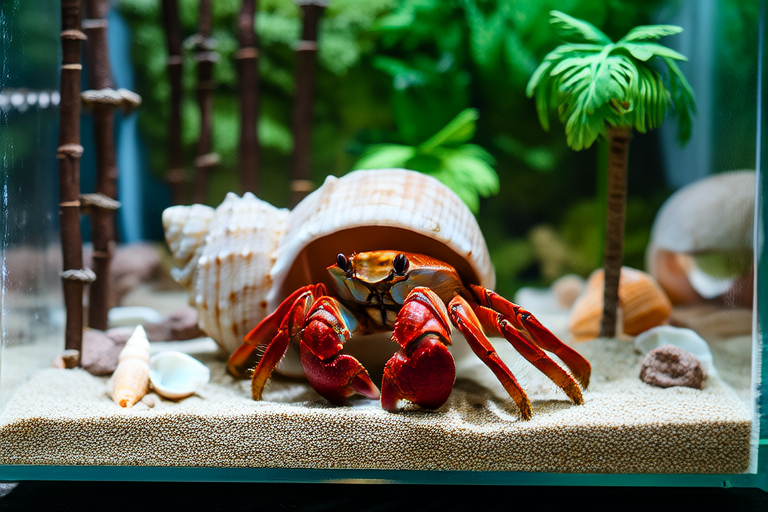
How to Create the Perfect Habitat for Your Happy Hermit Crab
Welcome to the world of hermit crabs! These fascinating creatures can make wonderful pets with the right care and environment. Creating a perfect habitat is crucial for their health and happiness. This guide will walk you through everything you need to know about setting up a thriving home for your hermit crab, from selecting the right tank size to maintaining optimal humidity levels.
Selecting the Right Tank Size
The first step in creating a perfect habitat is choosing the right tank size. Hermit crabs are social animals and thrive in groups, so it’s important to provide ample space for multiple crabs. A general rule of thumb is to have at least 10 gallons of tank space per crab. For example, a 20-gallon tank can comfortably house four or five hermit crabs.
Remember, larger tanks allow for more exploration and interaction among your pets. If you plan to expand your collection, consider starting with a spacious tank to avoid frequent upgrades.
Providing Appropriate Substrate
A crucial element of any hermit crab habitat is the substrate. The substrate serves as the floor of the tank and provides a place for your crabs to dig and burrow. It’s essential to choose a substrate that mimics their natural environment and supports healthy burrowing behavior.
Coconut fiber substrate is highly recommended due to its ability to retain moisture, which helps maintain the necessary humidity levels. Other suitable options include crushed coral and calcium sand. Avoid using materials like gravel or small pebbles, as they can be harmful if ingested.
To ensure the substrate stays moist, spray it with water daily. This not only keeps the substrate at the right moisture level but also provides a source of drinking water for your hermit crabs.
Creating Hiding Spots and Decorations
Hiding spots are vital for hermit crabs as they provide security and comfort. These spaces should be varied and offer different levels within the tank. Rocks, driftwood, and cork bark are excellent choices for creating hiding spots. Arrange these items in such a way that they form tunnels and caves, encouraging exploration and play.
In addition to hiding spots, decorations that mimic natural environments are beneficial. Seashells, pieces of coral, and live plants can enhance the aesthetic appeal of the tank while providing additional hiding places and climbing opportunities. Ensure that all decorations are securely anchored to prevent accidents.
Water Dishes
Hermit crabs require both freshwater and saltwater dishes for drinking and soaking. Freshwater should be clean and changed regularly to prevent bacterial growth. Saltwater should be made using marine aquarium salt and not table salt, as the latter contains additives harmful to hermit crabs. Ensure the saltwater has the correct salinity by following the instructions on the packaging.
Position the water dishes strategically within the tank, ensuring easy access for your crabs. Regularly check the water levels and cleanliness to maintain optimal conditions.
Temperature Regulation
Maintaining the right temperature is crucial for hermit crab health. Most species prefer temperatures between 75°F and 85°F (24°C to 29°C). Use a digital thermometer to monitor the temperature inside the tank and adjust as needed.
A heat lamp or under-tank heater can help maintain the desired temperature range. Place the heat source on one side of the tank to create a gradient, allowing your crabs to regulate their body temperature by moving between warmer and cooler areas.
The Importance of Humidity
Humidity plays a significant role in the well-being of hermit crabs. They require a humid environment to stay hydrated and molt successfully. Aim for a humidity level between 70% and 80%. To achieve this, mist the tank daily and consider adding a humidifier if necessary.
Monitor the humidity levels closely, especially during molting periods when higher humidity is essential. Adjust your misting routine and tank ventilation as needed to maintain the ideal conditions.
Suitable Tank Mates
Hermit crabs are generally peaceful and can coexist with other species, but it’s important to choose compatible tank mates. Avoid housing hermit crabs with aggressive or territorial species that may harm them. Compatible tank mates include certain types of fish, shrimp, and snails. Always research potential tank mates thoroughly before introducing them to your hermit crab’s habitat.
When introducing new tank mates, do so gradually and monitor their interactions closely. Ensure there are enough hiding spots and resources to minimize competition and stress.
Regular Cleaning Routines
Keeping the tank clean is essential for the health of your hermit crabs. Regular cleaning helps prevent the buildup of harmful bacteria and ensures a pleasant living environment. Perform a deep cleaning every two weeks, removing uneaten food, waste, and any debris.
Spot-clean daily by removing any visible waste and refreshing the water dishes. Replace the substrate completely every few months or whenever it becomes excessively dirty. During substrate changes, carefully inspect each crab to ensure they are healthy and thriving.
Integrating Decorations That Mimic Natural Environments
Decorations that mimic natural environments not only enhance the aesthetic appeal of the tank but also provide enrichment for your hermit crabs. Incorporate elements like seashells, driftwood, and rocks to create a diverse and stimulating habitat. Arrange these items in a way that encourages exploration and play.
Consider adding live plants to the tank, which can improve air quality and provide additional hiding spots. Choose hardy, low-maintenance plant species that can thrive in the tank’s environment. Regularly trim and replace plants as needed to maintain their health.
Conclusion
Creating the perfect habitat for your hermit crabs involves careful planning and attention to detail. By providing the right tank size, substrate, hiding spots, water dishes, temperature regulation, and humidity levels, you can ensure your pets lead happy, healthy lives. Remember to introduce suitable tank mates, maintain a regular cleaning routine, and integrate decorations that mimic natural environments. With proper care and attention, your hermit crabs will thrive in their new home.