 By admin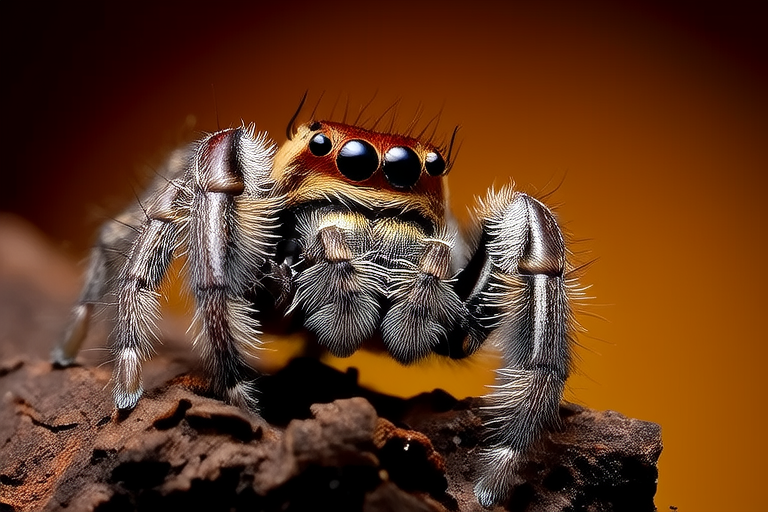
Arachnid Adventures: Journey into the Intriguing Life of Tarantulas
Welcome to the fascinating world of tarantulas! These large, hairy spiders have long been misunderstood and feared, but they are actually quite intriguing creatures. With sizes ranging from small to impressively large, tarantulas are known for their distinct appearance and unique behaviors. Let’s delve into the details of these arachnids, exploring their habitats, diets, and the crucial roles they play in their ecosystems.
The Fascinating Appearance of Tarantulas
Tarantulas belong to the family Theraphosidae, and they come in a variety of sizes and colors. The largest species can reach up to 10 inches in leg span, while smaller ones may only be a few centimeters across. Their bodies are covered in fine hairs that give them their characteristic furry look. These hairs serve multiple purposes, including sensory functions and defense mechanisms.
One of the most common misconceptions about tarantulas is that they are venomous and highly dangerous to humans. While it’s true that tarantulas possess venom, their bites are generally no more harmful than a bee sting to most people. Their venom is primarily used to subdue prey, and their fangs are not large enough to penetrate human skin easily. Another myth is that all tarantulas spin webs to catch their food. In fact, many tarantulas prefer to hunt on the ground, relying on their speed and strength rather than webs.
Habitat and Distribution
Tarantulas can be found in diverse habitats across the globe, from tropical rainforests to arid deserts. They are particularly abundant in Central and South America, as well as parts of Africa and Asia. Each species has adapted to its specific environment, showcasing remarkable resilience and versatility.
In the rainforests of Central and South America, tarantulas often build burrows in the soil or take refuge in hollow trees. These habitats provide protection from predators and harsh weather conditions. Meanwhile, desert-dwelling tarantulas have developed thick, water-retaining exoskeletons to conserve moisture. Some species even dig deep burrows to escape the extreme heat during the day and remain cool at night.
Despite their preference for warm climates, certain tarantula species have also adapted to colder regions. For instance, the pink-footed tarantula (Avicularia avicularia) can be found in the Caribbean, where temperatures are milder compared to other tropical areas. This adaptability allows tarantulas to thrive in various environments, from humid jungles to dry scrublands.
Diet and Hunting Techniques
Tarantulas are carnivorous and primarily feed on insects, though some larger species may also consume small vertebrates like lizards and frogs. Their hunting methods vary depending on the species and environment. Many tarantulas are ambush predators, lying in wait near their burrows or hiding in foliage until potential prey comes within striking distance.
Once a tarantula spots its target, it uses its powerful legs to pounce, delivering a swift and deadly bite. The venom paralyzes the prey, allowing the tarantula to inject digestive fluids to break down the victim’s tissues. After liquefying the insides of the prey, the tarantula consumes the nutrient-rich soup. Some species also employ silk threads to trap insects or create tripwires around their burrows to detect approaching prey.
Interestingly, tarantulas have excellent senses that aid in hunting. Their eyesight, while not exceptional, is sufficient for detecting movement. However, they rely heavily on their vibrations and chemical receptors to locate prey. Tarantulas can sense vibrations through the ground and detect chemical signals released by potential meals. This combination of sensory abilities makes them formidable hunters in their respective ecosystems.
The Life Cycle of a Tarantula
The journey from egg to adulthood is a fascinating process for tarantulas. Female tarantulas lay several hundred eggs in specially constructed silk sacs, which they guard vigilantly. The eggs hatch after a few weeks, revealing tiny spiderlings that resemble miniature versions of adult tarantulas. These spiderlings are incredibly vulnerable and depend on their mother for protection.
As they grow, tarantulas molt periodically to shed their exoskeletons and accommodate their increasing size. This process can take several hours, during which the tarantula remains extremely fragile. After each molt, the new exoskeleton expands before hardening, providing a larger shell for the growing spider. The frequency of molting decreases as the tarantula reaches maturity.
Female tarantulas can live for over 20 years, while males typically have shorter lifespans, usually ranging from 3 to 6 years. Mating involves complex rituals, with the male carefully approaching the female to avoid being mistaken for prey. Once successful, the male deposits sperm, which the female then stores internally until she is ready to lay her eggs. After mating, the male often dies, leaving the female to care for the offspring.
Defense Mechanisms
Despite their intimidating appearance, tarantulas face numerous predators, including birds, snakes, and mammals. To protect themselves, tarantulas have evolved several effective defense mechanisms. One of the most notable is their ability to release urticating hairs from their abdomen. These tiny, barbed hairs cause irritation and discomfort when they come into contact with an attacker’s skin or eyes. This defense is particularly useful against curious predators or potential threats.
Some tarantulas also exhibit aggressive behavior when threatened. They may rear up on their hind legs, displaying their fangs and making themselves appear larger and more menacing. This posture serves as a warning to potential predators, deterring them from attacking. Additionally, tarantulas can produce sounds by rubbing their legs against their abdomens, creating a hissing or clicking noise that can startle or confuse predators.
Ecological Importance
Tarantulas play vital roles in their ecosystems, serving as both predators and prey. As top predators, they help control insect populations, preventing overpopulation and maintaining balance within their habitats. By regulating insect numbers, tarantulas indirectly support the health of plants and other organisms that rely on those insects for pollination or consumption.
Moreover, tarantulas are important sources of food for various animals, including birds, reptiles, and mammals. Their presence in an ecosystem indicates a healthy and diverse environment, contributing to overall biodiversity. Despite their ecological significance, tarantulas face several threats, including habitat destruction, climate change, and human activities such as deforestation and urbanization. Conservation efforts are essential to ensure the survival of these fascinating creatures.
Conclusion
Tarantulas are truly remarkable creatures, offering us a glimpse into the wonders of the natural world. From their impressive size and appearance to their unique hunting techniques and defense mechanisms, these spiders have captivated scientists and nature enthusiasts alike. Understanding their role in ecosystems highlights the importance of preserving their habitats and protecting them from extinction. Next time you encounter a tarantula, remember that these magnificent arachnids are not just scary monsters but fascinating members of our planet’s biodiversity.