 By admin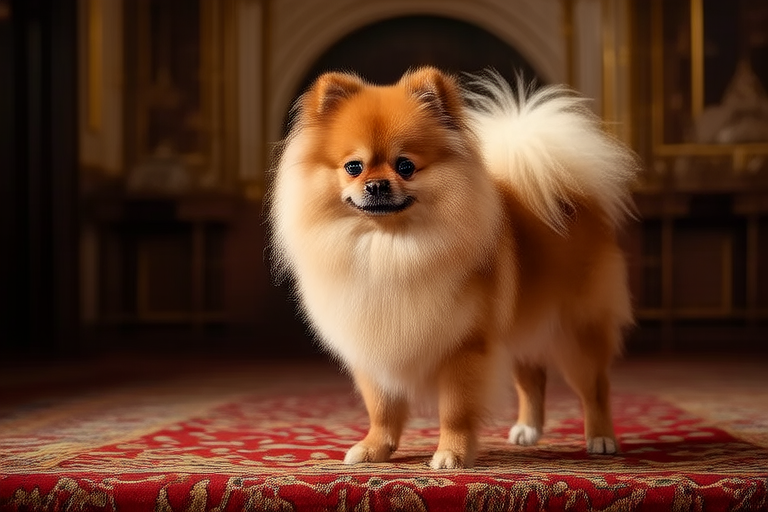
The Evolution of the Pomeranian: From Working Dog to Companion
The Pomeranian, a small but mighty breed, has a rich history that spans centuries and continents. Originating from the region of Pomerania, now part of Poland and Germany, this breed has undergone significant changes over time, transforming from a large working dog to a cherished companion animal. This article explores the fascinating journey of the Pomeranian, highlighting key historical milestones, notable figures who influenced the breed’s popularity, and the characteristics that make it an ideal companion today.
Origins and Early History
The Pomeranian, or Zwergspitz, as it is known in Germany, descends from the Spitz family of dogs, which includes other breeds such as the Samoyed and Keeshond. In its early days, the Pomeranian was much larger than it is today, often weighing between 30 and 40 pounds. These dogs were originally bred for herding sheep and guarding livestock. They were valued for their intelligence, loyalty, and protective instincts.
During the Middle Ages, Pomeranians were highly regarded by nobility and royalty. Their impressive size and striking appearance made them popular among the elite. However, it was during the 18th century that the breed began to undergo significant changes, thanks to the efforts of Queen Charlotte, wife of King George III of England.
Queen Charlotte’s Influence
Queen Charlotte, a German princess, brought several Pomeranians to England when she married King George III. She was so fond of the breed that she had her portraits painted with her beloved dogs at her side. Her patronage helped to increase the breed’s popularity in Britain, leading to the establishment of the first Pomeranian club in 1891.
However, it was another royal figure who played a pivotal role in shaping the modern Pomeranian. Queen Victoria, granddaughter of Queen Charlotte, took a particular liking to the breed. She acquired a smaller Pomeranian named Marco, which weighed only 12 pounds, marking the beginning of the breed’s size reduction. Queen Victoria’s influence was instrumental in establishing the smaller, more refined Pomeranian as a fashionable pet for the aristocracy.
Size Reduction and Genetic Lineage
The process of reducing the size of the Pomeranian was gradual and involved selective breeding over several generations. Breeders focused on producing smaller dogs with desirable traits such as a thick, fluffy coat and a lively temperament. By the late 19th century, the Pomeranian had become significantly smaller, weighing between 3 and 7 pounds.
The genetic lineage of the modern Pomeranian can be traced back to several influential bloodlines. The most famous of these is the Red Fox line, which was developed by Mrs. F. Harrison Weir in the late 19th century. This line produced dogs with a rich red color and a luxurious coat, setting the standard for the breed. Other notable lines include the Blue Line, which contributed to the development of the blue-coated Pomeranian, and the Black and Tan Line, which helped establish the breed’s distinct markings.
Notable Figures and Their Pomeranians
The association between royals and Pomeranians continued well into the 20th century. Empress Frederick of Germany, daughter of Queen Victoria, was also a devoted owner of the breed. Her love for Pomeranians further cemented the breed’s reputation as a royal favorite. Additionally, several Hollywood stars, including Elizabeth Taylor and Audrey Hepburn, owned Pomeranians, contributing to the breed’s growing popularity in the entertainment industry.
These relationships with notable figures have significantly impacted the Pomeranian’s popularity. Their presence in high-profile settings, both historically and in modern times, has helped to elevate the breed’s status and appeal. The Pomeranian’s association with royalty and celebrities has created an image of elegance and sophistication, making it a sought-after companion for many.
Characteristics of the Modern Pomeranian
The modern Pomeranian, while much smaller than its ancestors, retains many of the qualities that made it a valuable working dog. Despite its diminutive size, the Pomeranian is a confident and assertive breed, often referred to as “big dog in a little dog’s body.” This combination of size and personality makes the Pomeranian a perfect companion for apartment dwellers and families alike.
Pomeranians are known for their vibrant personalities and playful nature. They are intelligent and quick learners, making them easy to train. Their small size means they require less space and exercise compared to larger breeds, making them ideal for urban living. However, they still need regular walks and mental stimulation to stay healthy and happy.
One of the most distinctive features of the Pomeranian is its luxurious double coat. The outer coat is long and straight, while the undercoat is soft and dense. This coat requires regular grooming to prevent matting and keep it in top condition. The breed comes in a wide variety of colors, including orange, black, cream, and sable, adding to its appeal as a companion animal.
Care and Health Considerations
Owning a Pomeranian requires careful attention to their grooming and health needs. Their thick coat requires daily brushing to prevent tangles and mats. Professional grooming every few months is also recommended to maintain the coat’s health and appearance. Regular dental care is essential to prevent periodontal disease, which is common in small breeds.
Pomeranians are generally healthy dogs, but like all breeds, they are prone to certain health issues. Common conditions include patellar luxation, hypothyroidism, and tracheal collapse. Regular veterinary check-ups and a balanced diet can help to minimize the risk of these conditions. It is important for owners to be aware of potential health concerns and to take proactive steps to ensure their Pomeranian’s well-being.
Training a Pomeranian requires patience and consistency. Positive reinforcement techniques, such as treats and praise, are effective in teaching basic commands and good behavior. Socialization is also crucial, especially during the puppy stage, to ensure that your Pomeranian grows up to be a well-adjusted and friendly companion.
Conclusion
The Pomeranian’s journey from a large working dog in Pomerania to a beloved companion animal is a testament to the power of selective breeding and human influence. Through the efforts of breeders, royals, and celebrities, the Pomeranian has evolved into a breed that is cherished for its intelligence, loyalty, and charm. Today, the Pomeranian remains one of the most popular small breeds, offering companionship and joy to countless families around the world.
For those considering adding a Pomeranian to their family, it is important to understand the breed’s unique characteristics and requirements. With proper care, training, and attention to health, a Pomeranian can provide years of love and companionship. Whether you’re a seasoned dog owner or new to the world of pets, a Pomeranian’s lively spirit and affectionate nature make it a wonderful addition to any household.