 By admin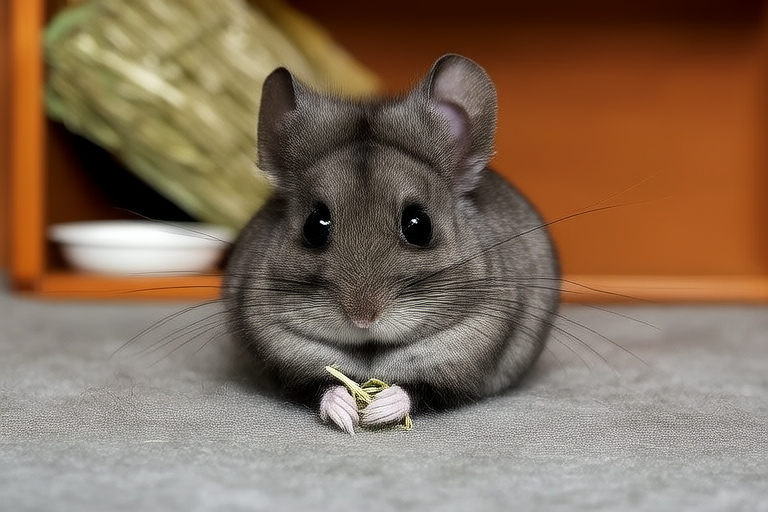
Chinchilla Care Made Easy: Tips from Expert Owners
Welcome to the wonderful world of chinchillas! These adorable creatures have captured the hearts of many pet owners with their soft, plush fur and playful personalities. However, owning a chinchilla comes with specific responsibilities to ensure they lead healthy, happy lives. This guide will provide you with essential care tips, straight from expert owners, to make your chinchilla care journey easier and more enjoyable.
Diet: The Key to a Healthy Chinchilla
Feeding your chinchilla the right diet is crucial for their overall health. A balanced diet consists primarily of high-quality chinchilla pellets, fresh hay, and clean water. Experts recommend Timothy hay as the best option due to its low calcium content, which helps prevent bladder stones. Additionally, you can offer small amounts of fresh vegetables and fruits as occasional treats. However, be cautious with the quantity, as too much can upset their sensitive digestive systems.
Water is equally important. Provide a water bottle with a metal spout that prevents them from chewing it. Change the water daily and clean the bottle regularly to avoid bacterial growth. Avoid giving them sugary or salty snacks, as these can lead to obesity and other health issues. Stick to the basics, and your chinchilla will thrive.
Habitat Setup: Creating a Comfortable Home
Your chinchilla’s habitat plays a significant role in their happiness and well-being. Choose a spacious cage with at least three square feet per chinchilla. Multi-level cages are ideal, offering ample room for climbing and exploration. Line the bottom with dust baths and bedding made from aspen shavings or recycled paper products. Avoid cedar and pine shavings, as they contain oils harmful to chinchillas.
Temperature control is vital, as chinchillas are native to the Andes mountains and prefer cooler environments. Maintain temperatures between 60 and 70 degrees Fahrenheit (15-21 Celsius). Place the cage away from direct sunlight, drafts, and heat sources. Ensure proper ventilation by providing air circulation without cold drafts. Equip the cage with toys, hammocks, and tunnels to keep your chinchilla entertained and mentally stimulated.
Grooming Needs: Maintaining That Luxurious Fur
Chinchillas have incredibly dense coats, making regular grooming necessary to prevent matting and skin issues. Dust baths are a must, as they help remove dirt and excess oils. Provide a shallow container filled with special chinchilla dust once or twice a week for about 10-15 minutes. Monitor them closely during this time, as some chinchillas may overindulge and become ill if they ingest too much dust.
Beyond dust baths, occasional brushing with a soft bristle brush can help distribute natural oils and prevent tangles. Be gentle and patient, especially around the face and ears. If you notice any signs of discomfort or irritation, consult your veterinarian. Regular nail trimming is also essential, as overgrown nails can cause pain and difficulty moving. Use appropriate tools designed for small animals and trim carefully, leaving a small amount of pinkish tissue visible to avoid cutting into the quick.
Exercise Requirements: Keeping Your Chinchilla Active
Chinchillas are naturally active and require plenty of opportunities to exercise. In addition to their multi-level cage, allocate supervised playtime outside the cage daily. A safe, enclosed area free from hazards is ideal. Provide tunnels, balls, and chew toys to encourage physical activity and mental stimulation. Exercise also promotes social interaction, helping to reduce stress and anxiety.
Monitor your chinchilla’s behavior during playtime, ensuring they remain calm and relaxed. Overexertion can lead to exhaustion and dehydration, so take breaks as needed. Always supervise your chinchilla when they are out of the cage to prevent accidents or injuries. With consistent effort, your chinchilla will enjoy a healthier lifestyle, reducing the risk of obesity and other related health problems.
Common Health Issues: Early Detection and Prevention
Despite their hardiness, chinchillas can develop various health issues. Early detection and prevention are key to maintaining their well-being. Common ailments include dental problems, respiratory infections, and digestive disorders. Regular veterinary check-ups are essential, even if your chinchilla appears healthy. Signs of illness include lethargy, loss of appetite, changes in bathroom habits, or unusual behaviors.
To prevent health issues, maintain a clean living environment and follow a balanced diet. Provide fresh water and clean food daily, and sanitize the cage weekly. Observe your chinchilla’s behavior and grooming habits for any changes that might indicate a problem. If you notice anything unusual, contact your veterinarian immediately for professional advice and treatment.
Tips for New Owners: Getting Started with Chinchillas
Owning a chinchilla can be an exciting but challenging experience, especially for first-time owners. Here are some practical tips to help you get started:
- Research extensively: Before bringing a chinchilla home, learn about their specific needs and behaviors. Understand their dietary requirements, habitat setup, and grooming needs.
- Choose the right cage: Select a spacious, multi-level cage with adequate ventilation and secure door locks. Ensure the cage is escape-proof and provides enough room for your chinchilla to move around freely.
- Provide enrichment: Offer a variety of toys, tunnels, and hammocks to stimulate your chinchilla’s mind and body. Rotate toys periodically to keep them interested and engaged.
- Be patient: Chinchillas can be shy and may take time to bond with their new surroundings. Give them space and time to adjust, and they will eventually warm up to you.
Tips for Experienced Owners: Advanced Care Techniques
If you’re already familiar with chinchilla care, here are some advanced techniques to further enhance your chinchilla’s quality of life:
- Introduce new foods gradually: When introducing new treats or vegetables, start with small quantities and monitor for any adverse reactions. Gradual introduction allows your chinchilla’s digestive system to adapt.
- Enhance environmental enrichment: Create a more stimulating environment by adding interactive toys, such as puzzle feeders or treat-dispensing devices. These can encourage problem-solving skills and mental engagement.
- Practice positive reinforcement: Train your chinchilla using positive reinforcement techniques, rewarding good behavior with treats or praise. This can strengthen the bond between you and your chinchilla while promoting desirable actions.
Conclusion: Enjoying the Journey with Your Chinchilla
Owning a chinchilla is a rewarding experience that requires dedication and care. By following these expert tips and maintaining a loving, attentive relationship, you’ll ensure your chinchilla leads a long, healthy, and happy life. Remember, every chinchilla is unique, so tailor your care to meet their individual needs. Stay informed, be proactive, and most importantly, enjoy the journey with your furry friend.