 By admin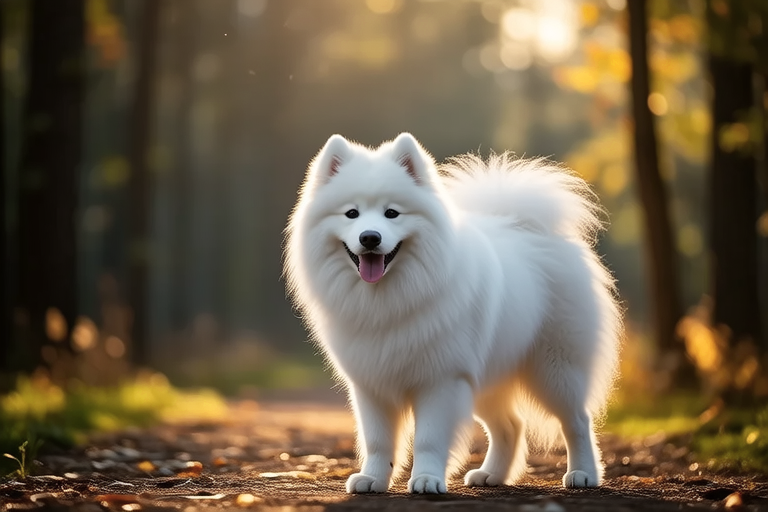
Samoyed: The Ultimate Guide for Every Future Owner
Welcome to your comprehensive guide to Samoyeds! This friendly, fluffy breed has captured the hearts of many dog lovers around the world. Whether you’re a first-time pet owner or an experienced dog handler, this guide will provide you with all the information you need to understand and care for a Samoyed.
History of the Samoyed Breed
The Samoyed breed originated in Siberia, where they were used by the Samoyede people for herding reindeer, pulling sleds, and protecting their families and livestock from predators. These dogs were essential to the survival of the nomadic tribes, as they could endure the harsh, cold conditions of the Arctic tundra. Their thick double coats provided insulation against the freezing temperatures, while their strength and endurance made them excellent working dogs.
Samoyeds were introduced to Western countries in the late 19th century and quickly gained popularity due to their striking appearance and gentle nature. They have since become beloved family pets and show dogs, known for their loyalty and affectionate demeanor.
Temperament and Personality
Samoyeds are known for their friendly and outgoing personalities. They are generally good with children and other animals, making them ideal family pets. Their intelligence and eagerness to please make them highly trainable, though they can be independent at times. It’s important to establish yourself as the leader and provide consistent training to ensure your Samoyed behaves well.
These dogs are also known for their characteristic “Sammy smile,” which gives them an endearing and approachable look. However, don’t let their friendly appearance fool you; Samoyeds can be quite protective of their families and may bark to alert you of strangers or potential threats.
Exercise Needs
Samoyeds are an active breed that requires regular exercise to stay healthy and happy. They were originally bred for working in harsh climates, so they have plenty of energy to burn. Daily walks, runs, or play sessions in a secure area are essential to keep your Samoyed physically fit and mentally stimulated.
In addition to structured exercise, providing mental challenges such as puzzle toys or obedience training can help keep your Samoyed engaged and prevent boredom-related behaviors like chewing or digging. Remember that these dogs thrive in cooler environments, so during hot weather, it’s best to limit outdoor activities and opt for indoor games or swimming.
Dietary Requirements
A balanced diet is crucial for maintaining your Samoyed’s health and vitality. High-quality dog food formulated for large breeds is recommended, as Samoyeds typically grow to be between 50 to 65 pounds for females and 55 to 80 pounds for males. Look for foods rich in protein and fat, which are necessary for maintaining their muscle mass and coat condition.
Consult with your veterinarian to determine the appropriate portion sizes and feeding schedule based on your dog’s age, weight, and activity level. Avoid overfeeding, as obesity can lead to various health problems, including joint issues and reduced lifespan. Treats should be given sparingly and chosen carefully to avoid excessive calorie intake.
Grooming Tips
Samoyeds have a dense, double coat that requires regular grooming to maintain its beauty and functionality. Brushing your dog at least three to four times a week is essential to remove loose hair and prevent matting. During shedding season, which usually occurs twice a year, daily brushing may be necessary to manage the amount of fur your Samoyed sheds.
Bathing should be done every few months or as needed, using a mild dog shampoo that won’t strip the natural oils from your dog’s skin. After bathing, thoroughly dry your Samoyed, especially in the armpits and groin areas, to prevent moisture buildup that could lead to skin infections.
Trimming nails, cleaning ears, and brushing teeth are also important aspects of grooming. Regular nail trimming prevents overgrowth, which can cause discomfort and difficulty walking. Cleaning ears helps prevent infections, and brushing teeth promotes dental health and fresh breath.
Common Health Issues
Like all breeds, Samoyeds are prone to certain health issues. Hip dysplasia, a genetic disorder affecting the hip joint, is one of the most common concerns for large breeds. Other potential health problems include progressive retinal atrophy (PRA), which can lead to blindness, and hypothyroidism, a condition where the thyroid gland doesn’t produce enough hormones.
To minimize the risk of these conditions, choose a reputable breeder who screens their breeding stock for genetic diseases. Early detection and treatment can significantly improve your Samoyed’s quality of life. Regular veterinary check-ups and a healthy lifestyle, including proper nutrition and exercise, can also contribute to your dog’s overall well-being.
Training Techniques
Training a Samoyed requires patience, consistency, and positive reinforcement. These dogs are intelligent and eager to please, but their independence can sometimes make training challenging. Start training early, ideally when your Samoyed is still a puppy, and use treats, praise, and play as rewards for good behavior.
Basic commands such as sit, stay, come, and down are essential for your Samoyed’s safety and socialization. Advanced training, like agility or obedience competitions, can provide mental stimulation and strengthen the bond between you and your dog. Remember that training is an ongoing process, and continuous reinforcement of learned behaviors is key to maintaining good manners.
Choosing the Right Accessories
Selecting the right accessories for your Samoyed can enhance their comfort and safety. A sturdy collar or harness, along with a leash, is necessary for walks and outings. Consider a harness instead of a traditional collar, as it distributes pressure more evenly across your dog’s chest and shoulders, reducing the risk of neck injuries.
A well-fitting dog bed provides a comfortable resting place for your Samoyed. Choose a bed with supportive padding and a waterproof cover for easy cleaning. Collapsible travel bowls are convenient for trips and outdoor adventures. Lastly, consider investing in a crate or kennel for your Samoyed, as it can serve as a safe space for them to relax and feel secure.
When selecting accessories, always prioritize quality and durability. Well-made products will last longer and better protect your Samoyed. Additionally, consult with your veterinarian or a professional trainer for recommendations tailored to your dog’s specific needs.
In conclusion, owning a Samoyed is a rewarding experience filled with love, laughter, and companionship. By understanding the breed’s history, temperament, exercise needs, dietary requirements, grooming tips, common health issues, training techniques, and the importance of choosing the right accessories, you’ll be well-prepared to provide your Samoyed with a happy and healthy life. Happy pet ownership!