 By admin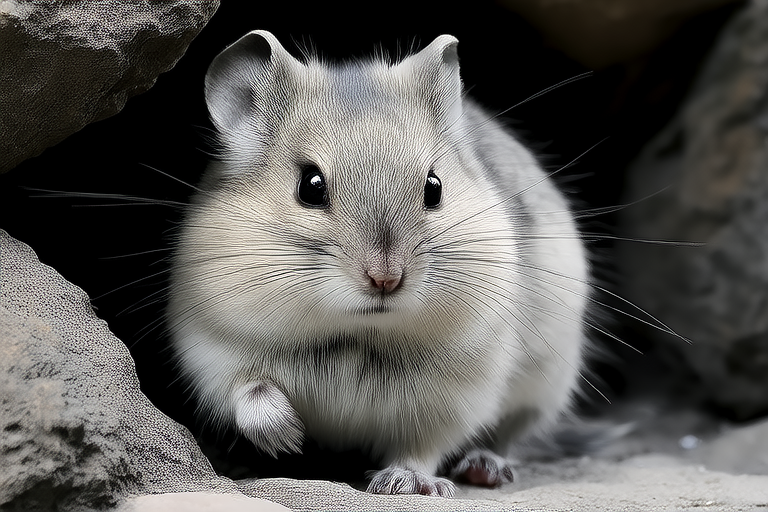
7 Surprising Facts About Chinchillas You Need to Know
Chinchillas are small, furry rodents that have captured the hearts of many animal enthusiasts with their soft, plush coats and quirky behaviors. While they may be popular as pets, there’s much more to these creatures than meets the eye. Here are seven surprising facts about chinchillas that you might not know:
1. Chinchillas Have the Densest Fur Among Mammals
Their luxurious fur isn’t just aesthetically pleasing; it’s also incredibly dense. A single square inch of a chinchilla’s skin can contain up to 20,000 individual hairs. This high density serves multiple purposes: it helps regulate body temperature, provides insulation against cold, and acts as a barrier against predators. The sheer number of hairs per square inch is unmatched by any other mammal, making chinchillas truly stand out in the animal kingdom.
2. Chinchillas Love Dust Baths Instead of Water
Unlike most mammals, chinchillas clean themselves by taking dust baths rather than water baths. They roll around in volcanic ash or special chinchilla dust to remove oils and dirt from their thick fur. This method is particularly effective because it doesn’t wet the fur, which could lead to skin issues. Providing your chinchilla with regular access to dust bathing material is essential for maintaining its health and happiness. It’s a behavior deeply rooted in their natural habitat, where volcanic ash is abundant.
3. Chinchillas Are Nocturnal Creatures
These little creatures are primarily active during the night, making them perfect companions for night owls. Their nocturnal nature means they sleep during the day and are most lively when the sun sets. This activity pattern is beneficial for pet owners who work during the day and can spend quality time with their chinchillas in the evening. Understanding their circadian rhythms helps in creating a comfortable environment for both the chinchilla and its owner.
4. Chinchillas Can Jump Remarkably High
With powerful hind legs, chinchillas can leap impressive heights, sometimes reaching over six feet from a standing position. This jumping ability is crucial in their natural habitat, where they need to navigate rocky terrains and evade predators. In captivity, providing ample space and obstacles for them to jump on can help satisfy this instinctive behavior, ensuring they remain physically fit and mentally stimulated.
5. Chinchillas Have a Complex Social Structure
Contrary to the solitary life often associated with small pets, chinchillas in the wild live in colonies called ‘herds.’ These herds can consist of hundreds of individuals, indicating a complex social structure. Each herd has its hierarchy, and interactions within the group can involve grooming, playing, and even fighting. For pet owners, this insight suggests that chinchillas might benefit from having a companion, provided proper introductions and precautions are taken to ensure compatibility.
6. Chinchillas Require Specialized Dental Care
Chinchillas have continuously growing teeth, similar to other rodents, but their dental care needs are unique. Their diet, rich in hay and pellets, helps wear down their teeth naturally. However, improper diet or genetics can lead to dental problems such as malocclusion, where the teeth don’t align correctly. Regular check-ups with a veterinarian experienced in exotic animals are crucial for early detection and management of dental issues, ensuring the chinchilla’s long-term health.
7. Chinchillas Have Exceptional Hearing and Vision
Chinchillas possess excellent hearing and vision, which are vital for survival in their natural environment. Their large ears and eyes are highly sensitive, allowing them to detect potential threats from a distance. This heightened sensory perception makes them alert and reactive to their surroundings, contributing to their survival instincts. As pets, this sensitivity can make them nervous around sudden movements or loud noises, so creating a calm and stable environment is key to their well-being.
In conclusion, chinchillas are fascinating creatures with many unique traits and behaviors. From their remarkable fur density to their nocturnal habits and exceptional sensory abilities, each aspect of their biology and behavior contributes to what makes them such intriguing pets. Understanding these surprising facts not only enriches our appreciation of chinchillas but also aids in providing them with the best possible care. Whether you’re a seasoned chinchilla owner or considering adopting one, delving into the less-known aspects of their lives can deepen your connection and enhance the joy of sharing your home with these delightful creatures.