 By admin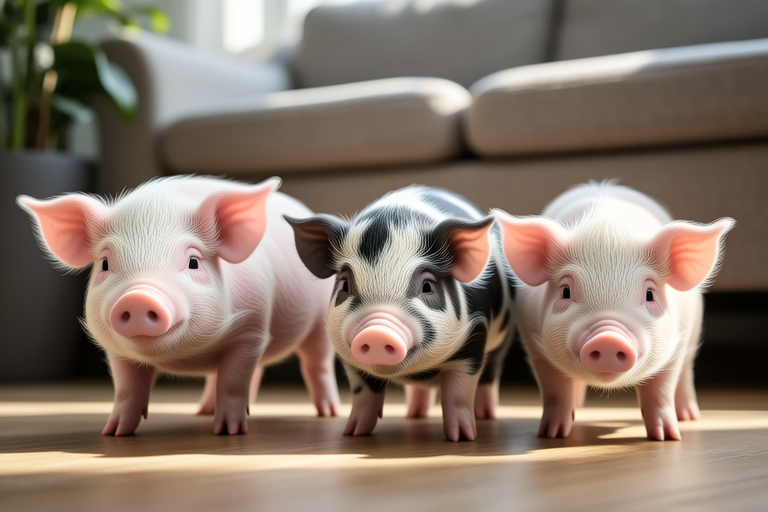
Mini Pigs: The Unexpected Family Members
Welcome to the world of mini pigs, where these pint-sized porcine companions have become increasingly popular as pets. Mini pigs, often referred to as teacup, micro, or pot-bellied pigs, offer a delightful blend of intelligence, affection, and charm that can enrich any family. Despite their growing popularity, many people remain unaware of the unique traits and requirements of these animals, making them an unexpected but rewarding addition to a household.
Size and Temperament
One of the most appealing aspects of mini pigs is their compact size, which makes them suitable for various living environments. While some breeds can grow up to 150 pounds, most mini pigs range between 50 to 70 pounds when fully grown. Their manageable size means they require less space than larger livestock animals, making them ideal for apartment dwellers and small homes.
Mini pigs are known for their gentle and affectionate nature, often forming strong bonds with their human families. They are highly intelligent creatures capable of learning commands, tricks, and even using a litter box. Their curious and playful demeanor ensures endless entertainment for both children and adults alike. However, it’s important to note that each pig has its own personality, and some may be more independent or reserved than others.
Dietary Needs
Proper nutrition is crucial for maintaining a mini pig’s health and well-being. Contrary to popular belief, mini pigs should not be fed table scraps or excessive amounts of fruits and vegetables. A balanced diet consisting of commercial pig pellets, fresh hay, and limited amounts of vegetables is recommended. It’s essential to consult with a veterinarian specializing in exotic animals to determine the appropriate feeding schedule and portion sizes for your specific pig.
Overfeeding is a common pitfall for new owners, leading to obesity and associated health issues. Mini pigs are prone to overeating, so it’s vital to monitor their food intake closely and provide plenty of opportunities for exercise. Regular weigh-ins and veterinary check-ups will help ensure your pig remains healthy and at an optimal weight.
Common Misconceptions
There are several myths surrounding mini pigs that need addressing before considering one as a pet. One prevalent misconception is that all mini pigs stay tiny throughout their lives. While some breeds may remain small, others can reach considerable sizes if not spayed or neutered. Another myth is that mini pigs don’t require much attention or care. In reality, these animals thrive on interaction and mental stimulation, requiring daily engagement and enrichment activities.
Additionally, many people assume that mini pigs are low-maintenance pets due to their small size. However, proper care involves regular grooming, nail trimming, and dental hygiene. Mini pigs also need ample space to roam and play, which can be challenging in confined areas. Understanding these truths upfront helps set realistic expectations for potential owners.
Training Tips
Training mini pigs requires patience, consistency, and positive reinforcement techniques. Reward-based methods work best when teaching commands, tricks, and housebreaking. Using treats, praise, and affection as incentives encourages desirable behaviors while discouraging unwanted ones.
Begin by establishing basic commands such as “sit,” “stay,” and “come.” Once your pig masters these fundamentals, you can progress to more advanced tricks like rolling over or fetching objects. Consistency is key; always use the same command word for each action and reward successful attempts promptly.
Grooming Requirements
Regular grooming keeps your mini pig looking and feeling its best. Brushing their coat weekly removes loose hair and prevents matting. Bathing should be done infrequently—once every few months—to avoid stripping natural oils from their skin.
Nail trimming is another critical aspect of grooming. Overgrown nails can cause discomfort and interfere with walking. Use clippers designed for small animals, and trim only the tip of each nail to prevent cutting the quick, which contains blood vessels and nerves. If unsure about performing this task yourself, consider visiting a professional groomer experienced with mini pigs.
Dental hygiene is equally important. Mini pigs are susceptible to tooth decay and gum disease, so providing chew toys and regularly inspecting their mouths helps maintain oral health. Consult your vet about incorporating dental care into your routine.
Interaction with Children and Other Pets
Mini pigs generally get along well with children, provided proper supervision and guidance are maintained. Their calm and patient nature makes them excellent companions for kids, who can learn responsibility through caring for their pet. However, it’s essential to teach children how to handle and interact with the pig safely, avoiding rough play or sudden movements that could startle the animal.
When introducing a mini pig to other pets within the household, gradual introductions under controlled conditions are advised. Some dogs may view mini pigs as prey animals, while cats might see them as competitors for attention. Supervised play sessions allow all parties to acclimate gradually, fostering harmonious coexistence.
Responsibilities Involved
Owning a mini pig comes with significant responsibilities, including financial commitment, time investment, and emotional readiness. These animals have a lifespan of approximately 15 years, during which they will require consistent care, attention, and medical treatment. Veterinary expenses, food costs, and supplies add up over time, necessitating careful budget planning.
Time management is another crucial factor. Mini pigs demand regular interaction, exercise, and mental stimulation to stay happy and healthy. Owners must be prepared to dedicate several hours each day to these activities, ensuring their pig remains engaged and entertained.
Stories and Examples
Many families have discovered the joy and companionship mini pigs bring into their lives. For instance, Sarah and her husband adopted a mini pig named Charlie after hearing about his unique qualities online. Initially skeptical, they were pleasantly surprised by Charlie’s intelligence and affectionate nature. He quickly became part of the family, participating in daily walks and joining them on trips to the park.
Another example showcases how mini pigs can bridge generational gaps. John, a retired man living alone, found solace in adopting a mini pig named Daisy. Her presence filled his home with warmth and companionship, offering him a purpose and someone to care for. Daisy’s gentle demeanor and loving spirit brought joy to John’s life, reminding him of the importance of nurturing relationships.
Conclusion
Mini pigs make wonderful additions to families seeking loyal, intelligent, and affectionate companions. Their surprising suitability as pets stems from their manageable size, friendly temperament, and ability to form deep bonds with humans. By understanding their dietary needs, dispelling common misconceptions, implementing effective training methods, and meeting grooming requirements, owners can ensure a fulfilling and enriching experience for both themselves and their mini pig.
While there are challenges involved in raising a mini pig, the rewards far outweigh the effort. With proper care and attention, these unexpected family members will bring countless moments of happiness and laughter into your home. Consider adopting a mini pig today and discover the joys of sharing your life with one of these remarkable animals.