 By admin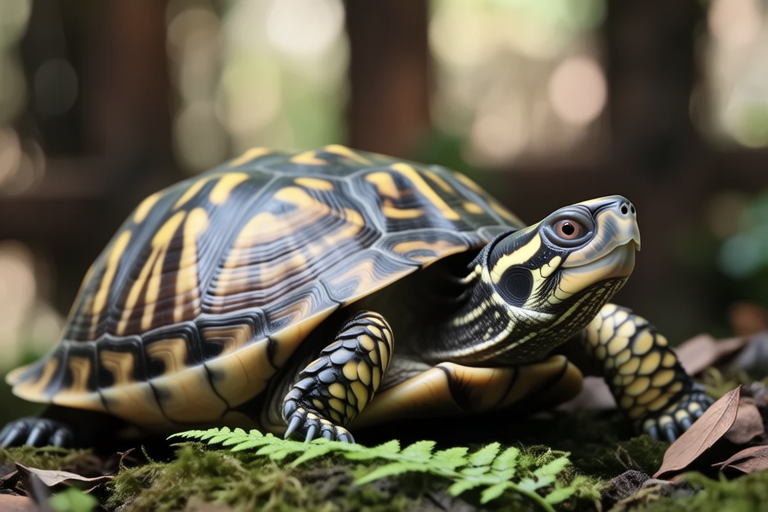
How to Keep Your Three-Striped Box Turtle Healthy and Happy
The three-striped box turtle (Terrapene carolina triunguis) is a fascinating reptile that makes an excellent pet for those who can provide the right environment and care. This guide will cover essential aspects of turtle care, including diet, habitat setup, temperature and humidity requirements, lighting needs, handling techniques, common health issues, and regular vet check-ups. By following these tips, you can ensure your three-striped box turtle remains healthy and happy.
Diet: A Balanced Approach
Proper nutrition is crucial for the overall health of your turtle. In the wild, three-striped box turtles are omnivores, feeding on a variety of plants, insects, and small animals. As pets, they require a balanced diet that mimics their natural food sources.
- Vegetables and Fruits: Offer a mix of dark leafy greens like collard greens, dandelion greens, and romaine lettuce. Also, include fruits such as strawberries, blueberries, and apples. Ensure that fruits make up no more than 10% of the diet to avoid excessive sugar intake.
- Insects and Protein Sources: Provide occasional treats of live insects like crickets, earthworms, or mealworms. These can be dusted with calcium powder to supplement their dietary needs.
- Variety: Rotate foods regularly to prevent nutritional deficiencies and keep your turtle interested in eating.
Always wash fresh produce thoroughly before offering it to your turtle. Avoid feeding iceberg lettuce, which has little nutritional value, and never feed wild-caught insects as they may carry parasites.
Habitat Setup: Creating a Natural Environment
A well-designed habitat is key to keeping your turtle healthy. The enclosure should mimic its natural environment as closely as possible, providing space for movement, basking, and hiding.
- Terrarium Size: For a single adult turtle, a minimum of 4 square feet of floor space is recommended. Larger enclosures allow for more natural behaviors.
- Substrate: Use a substrate that is easy to clean and safe for your turtle. Cypress mulch, coconut fiber, or outdoor soil can work well. Avoid sand, gravel, or wood shavings, as these can cause impaction if ingested.
- Basking Area: Provide a warm spot where your turtle can bask under a heat lamp. This area should have a temperature gradient, allowing the turtle to move between warmer and cooler spots.
- Water Source: Include a shallow water dish large enough for your turtle to soak and swim in. Ensure the water is clean and changed regularly.
- Hiding Spots: Add rocks, logs, or commercial turtle caves to provide hiding places. These are important for reducing stress and promoting natural behavior.
Regular cleaning of the enclosure is essential to maintain hygiene and prevent infections. Remove waste and uneaten food daily, and perform a thorough cleaning every few weeks.
Temperature and Humidity Requirements
Maintaining the correct temperature and humidity levels is vital for your turtle’s health. These conditions should replicate the climate of its natural habitat.
- Daytime Temperatures: Aim for a basking spot temperature of 85-90°F (29-32°C). The cool end of the enclosure should be around 75-80°F (24-27°C).
- Nighttime Temperatures: Allow temperatures to drop slightly at night, but not below 65°F (18°C).
- Humidity: Maintain humidity levels between 60-80%. Use a hygrometer to monitor humidity and adjust as necessary by misting the enclosure or adding a humidifier.
Use thermometers and hygrometers placed at various points within the enclosure to ensure consistent environmental conditions.
Lighting Needs: Essential for Health
Proper lighting is crucial for the health of your turtle. It helps regulate metabolism, promotes calcium absorption, and supports overall well-being.
- UVB Lighting: Install full-spectrum UVB bulbs specifically designed for reptiles. These should be positioned so that the turtle can bask within 12 inches of the bulb. Replace bulbs every six months to ensure effectiveness.
- Light Cycle: Mimic natural daylight cycles by providing 12-14 hours of light per day. Use timers to automate this process.
- Heat Lamps: Supplement UVB lighting with a heat lamp to achieve the desired basking temperature. Ensure the lamp is positioned safely to prevent burns.
Regularly inspect all lighting equipment for signs of wear or damage, and replace components as needed.
Handling Techniques: Gentle and Respectful
Handling your turtle gently and respectfully is important for its physical and mental health.
- Support: Always support the turtle’s body when lifting it. Avoid picking it up by the legs or shell, as this can cause injury.
- Frequency: Handle your turtle only when necessary, as excessive handling can cause stress.
- Hygiene: Wash your hands before and after handling to prevent the spread of bacteria.
Respect your turtle’s boundaries and allow it time to acclimate to its new home before frequent interactions.
Common Health Issues: Early Detection and Prevention
Despite your best efforts, your turtle may still encounter health issues. Early detection and treatment are key to maintaining good health.
- Shell Rot: Characterized by soft, discolored patches on the shell, shell rot is often caused by poor hygiene or high humidity. Treat with antifungal creams and improve the enclosure’s cleanliness.
- Metabolic Bone Disease (MBD): Caused by calcium deficiency, MBD leads to weakened bones and deformities. Ensure a balanced diet and adequate UVB lighting to prevent this condition.
- Respiratory Infections: Symptoms include runny nose, swollen eyes, and labored breathing. These infections are often due to improper temperature or humidity levels. Consult a veterinarian immediately if you suspect respiratory issues.
Regular observation of your turtle’s behavior and appearance can help detect health problems early.
Regular Vet Check-Ups: Professional Care
Scheduling routine veterinary visits is essential for maintaining your turtle’s health. Choose a veterinarian experienced in reptile care for the best results.
- Initial Visit: Schedule a first visit shortly after acquiring your turtle to establish a baseline for its health.
- Annual Exams: Annual check-ups allow the vet to monitor your turtle’s growth and catch any potential issues early.
- Emergency Care: Be prepared for emergencies by having a list of local reptile veterinarians and a pet first aid kit on hand.
During these visits, discuss any concerns you have about your turtle’s health or behavior with the veterinarian.
Conclusion: Commitment to Your Turtle’s Well-Being
By providing proper care, attention, and a suitable environment, you can ensure your three-striped box turtle lives a long, healthy, and happy life. Regular maintenance, a balanced diet, and professional veterinary care are essential components of successful turtle ownership. Remember, a happy turtle is one that thrives in an environment that closely resembles its natural habitat.