 By admin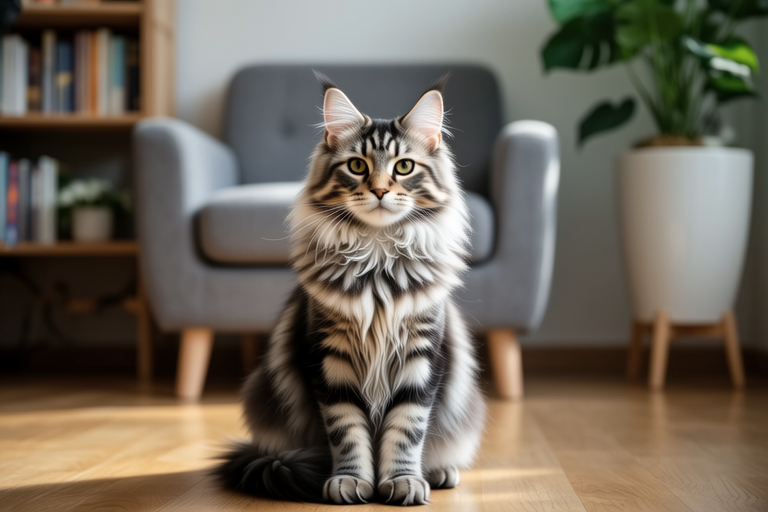
Everything You Need to Know Before Welcoming a Maine Coon into Your Home
Welcome to the wonderful world of Maine Coons! These majestic cats are known for their gentle nature, striking appearance, and playful personalities. If you’re considering adding one to your family, this guide will provide you with all the information you need to make an informed decision and ensure your new feline friend has a happy and healthy life.
The History of the Maine Coon
The origins of the Maine Coon are somewhat shrouded in mystery, but they are believed to have descended from domestic cats brought over by European settlers. One popular legend suggests that the breed is the result of crossbreeding between domestic cats and raccoons, which is why they are named “Maine Coons” – though this is entirely mythical. In reality, they likely originated from longhaired cats brought to America by New England seafarers in the late 18th century.
Maine Coons were highly valued as working cats due to their exceptional hunting skills. Their large size, strong bodies, and excellent balance made them perfect companions for farmers and fishermen. Over time, these traits have been maintained through selective breeding, resulting in the robust and adaptable breed we know today.
Temperament: A Gentle Giant
Despite their large size, Maine Coons are incredibly affectionate and gentle. They are often referred to as “gentle giants” because of their calm demeanor and loving nature. Maine Coons are known for their intelligence and adaptability, making them easy to train. They enjoy interacting with their human families and are particularly fond of children and other pets.
One of the most endearing qualities of Maine Coons is their curiosity. They love to explore their surroundings and can often be found observing the world from high vantage points. Maine Coons are also quite vocal, often communicating with soft chirps or trills rather than loud meows. Their communication style makes them delightful conversationalists, always ready to engage with their owners.
Grooming Needs: Maintaining a Healthy Coat
Due to their thick, luxurious coats, Maine Coons require regular grooming to keep their fur healthy and free from mats. Weekly brushing is essential to prevent tangles and remove loose hair. During shedding seasons, especially spring and fall, more frequent brushing may be necessary.
Bathing your Maine Coon is generally not required unless they get particularly dirty or develop skin issues. When bathing, use a mild shampoo specifically formulated for cats to avoid irritation. After bathing, it’s important to thoroughly dry your cat, paying special attention to areas like the tail and paws where water can easily get trapped.
In addition to coat care, it’s crucial to maintain good oral hygiene. Regular tooth brushing helps prevent dental diseases and keeps your cat’s breath fresh. Providing dental treats or toys designed to promote oral health can also be beneficial.
Dietary Requirements: Feeding Your Maine Coon
Maine Coons are known for their hearty appetites, so it’s important to provide them with a balanced diet that meets their nutritional needs. High-quality commercial cat food, either wet or dry, is generally sufficient. Look for products that list meat as the primary ingredient and avoid those with fillers or artificial additives.
While Maine Coons enjoy their food, it’s essential to monitor their portion sizes to prevent obesity. Obesity can lead to various health problems, including joint issues and diabetes. Consult with your veterinarian to determine the appropriate amount of food based on your cat’s age, weight, and activity level.
Ensure your Maine Coon has access to clean, fresh water at all times. Water intake is vital for maintaining overall health, especially during hot weather or periods of increased activity.
Exercise Habits: Keeping Your Maine Coon Active
Although Maine Coons are relatively laid-back, they still require regular physical activity to stay healthy and happy. Interactive play sessions using toys such as feather wands or laser pointers can help stimulate their minds and bodies. Puzzle feeders are another great option, as they encourage mental engagement while providing a fun way to dispense treats.
Creating vertical spaces within your home, such as cat trees or shelves, allows your Maine Coon to climb and explore. These structures not only provide exercise but also offer opportunities for rest and observation from elevated positions. Incorporating interactive elements like scratching posts or tunnels can further enhance their playtime.
Health Considerations: Common Issues and Preventive Care
Like all breeds, Maine Coons are prone to certain health conditions. Hip dysplasia, heart disease, and polycystic kidney disease (PKD) are some of the more common issues affecting the breed. Regular veterinary check-ups are crucial for early detection and management of these conditions.
Vaccinations and parasite control are also essential components of preventive care. Discuss with your veterinarian about the appropriate vaccination schedule and the best methods for preventing fleas, ticks, and intestinal parasites.
To support your Maine Coon’s overall well-being, consider incorporating supplements such as omega-3 fatty acids or joint support formulas into their diet under the guidance of a professional.
Tips for Integrating a Maine Coon into Your Household
Bringing a new cat into your home requires careful planning and preparation. Creating a comfortable space for your Maine Coon to settle in is key. Set up a quiet room with essentials like a litter box, food and water bowls, bedding, and toys. Gradually introduce your new family member to the rest of the house, allowing them to explore at their own pace.
If you already have other pets, introduce them slowly and under supervision. Maine Coons tend to be social and adaptable, but it’s important to respect each animal’s boundaries during the initial adjustment period.
Establishing routines for feeding, playtime, and grooming helps your Maine Coon feel secure and loved. Spend quality time with your new companion daily, reinforcing the bond between you two.
Conclusion
Welcoming a Maine Coon into your home means embracing a lifetime of companionship with a truly remarkable breed. By understanding their unique needs and providing proper care, you’ll ensure that your Maine Coon thrives in their new environment. Whether you’re a first-time pet owner or an experienced cat lover, adopting a Maine Coon promises to be an enriching experience filled with joy and unconditional love.