 By admin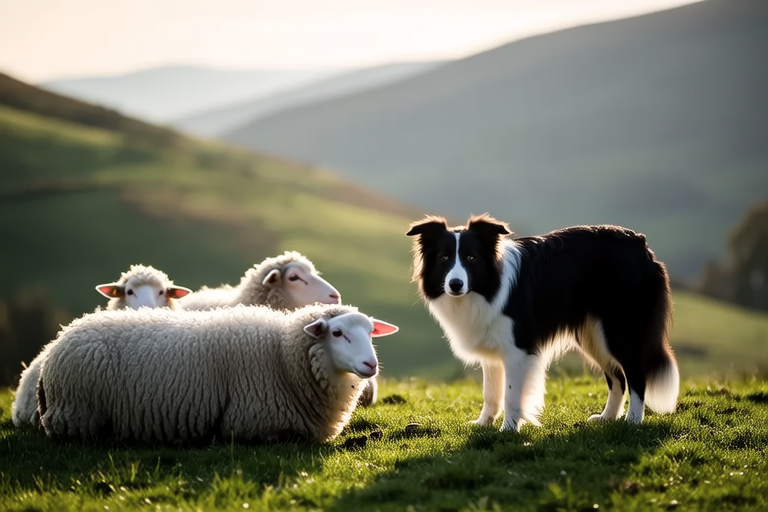
Border Collies and Sheep: An Unbreakable Bond Through History
The relationship between Border Collies and sheep is one of the most enduring partnerships in the history of animal husbandry. This article explores the historical origins of this bond, the unique herding instincts and intelligence of Border Collies, the specific herding techniques they employ, and their cultural significance in various sheep farming contexts around the world. We will also examine how this ancient bond continues to shape modern livestock management practices.
Historical Origins
The origins of the Border Collie can be traced back to the rugged terrain of the Scottish Borders and North England. These regions have long been home to extensive sheep farming, where farmers needed dogs that could work independently and efficiently over vast areas. The Border Collie’s ancestors were bred for their agility, endurance, and intelligence, making them ideal for herding sheep. Over centuries, selective breeding refined these traits, resulting in the highly skilled herding dog we know today.
The first recorded mention of a dog resembling the Border Collie dates back to the 16th century, when James I of Scotland mentioned ‘working dogs’ in his writings. However, it wasn’t until the late 19th century that the breed was officially recognized. In 1873, at the Queen’s Golden Jubilee Exhibition, a dog named Hemp demonstrated the unique herding techniques that would become synonymous with Border Collies. Hemp’s performance set new standards for herding dogs, and his descendants continued to excel in this role.
Unique Herding Instincts and Intelligence
Border Collies possess an extraordinary combination of physical prowess and mental acuity. Their herding instinct is deeply ingrained, allowing them to respond quickly and accurately to the movements of sheep. This innate ability is further enhanced by their intelligence, which enables them to learn complex commands and adapt to different situations.
One of the most notable characteristics of Border Collies is their ‘eye,’ a term used to describe their intense stare that compels sheep to move. This technique is particularly effective because it mimics the behavior of predators, creating a sense of unease in the flock. Another key skill is their ability to ‘fetch,’ where they run ahead of the flock and turn them back towards the shepherd. This requires excellent coordination and timing, as well as a deep understanding of the flock’s dynamics.
Border Collies are also known for their problem-solving abilities. They can navigate challenging terrains, locate strayed sheep, and even perform intricate maneuvers to separate individuals from the group. Their intelligence allows them to interpret subtle cues from their handlers and adjust their actions accordingly. This adaptability makes them invaluable in a wide range of herding scenarios.
Herding Techniques and Effectiveness
Border Collies employ several herding techniques, each designed to address specific challenges in managing a flock. One of the most common methods is ‘balking,’ where the dog positions itself to block the path of the sheep, encouraging them to move in the desired direction. This technique is particularly useful for guiding the flock through narrow passages or preventing them from entering restricted areas.
‘Piling’ involves the dog moving behind the flock and driving them forward, while ‘casting’ refers to the dog moving around the outside of the flock to bring them together. These techniques are often combined to achieve optimal results, demonstrating the versatility and precision of Border Collie herding.
Research has shown that Border Collies are highly effective in reducing stress levels within flocks. By maintaining a calm demeanor and avoiding aggressive behaviors, these dogs help create a peaceful environment that promotes the overall health and well-being of the sheep. This, in turn, leads to improved productivity and economic benefits for farmers.
Global Sheep Farming Contexts
The partnership between Border Collies and sheep extends far beyond the borders of Britain. In Australia, for example, Border Collies play a crucial role in managing large flocks of Merino sheep across expansive landscapes. The Australian Outback presents unique challenges, such as extreme weather conditions and vast distances, but Border Collies thrive in these environments, using their intelligence and stamina to ensure the safety and well-being of the flock.
In New Zealand, Border Collies are integral to the country’s wool industry, helping to maintain efficient and productive operations. The dogs are trained to work closely with shepherds, ensuring that sheep are moved safely and effectively through the shearing process. This close collaboration between humans and dogs demonstrates the mutual trust and respect that characterizes their partnership.
Similarly, in countries like Iceland and Norway, Border Collies are essential for managing semi-wild flocks of sheep. These dogs are trained to work independently, using their instincts and intelligence to guide the sheep to designated grazing areas and protect them from predators. The harsh climates and remote locations of these regions make the Border Collie’s contributions all the more valuable.
Cultural Significance
The Border Collie holds a special place in the hearts of many sheep farming communities. In the UK, annual sheepdog trials have become a popular spectator sport, attracting enthusiasts from around the world. These events showcase the incredible skills of both the dogs and their handlers, celebrating the rich tradition of sheepherding.
In addition to their practical applications, Border Collies have also inspired art, literature, and film. Many works celebrate the beauty and complexity of the human-animal relationship, highlighting the deep bonds formed between shepherds and their dogs. These portrayals help to preserve the cultural heritage of sheep farming and raise awareness about the importance of responsible animal care.
Modern Livestock Management Practices
Despite advancements in technology, the bond between Border Collies and sheep remains central to modern livestock management practices. Farmers continue to rely on these dogs for their ability to manage flocks efficiently and humanely. Additionally, Border Collies are increasingly being used in conservation efforts, helping to protect endangered species and restore ecosystems.
As the demand for sustainable agricultural practices grows, the role of Border Collies in promoting environmentally friendly farming methods becomes even more significant. Their ability to reduce stress in flocks and prevent overgrazing contributes to healthier landscapes and more resilient ecosystems. Furthermore, the use of Border Collies can lead to reduced reliance on chemical treatments and mechanical interventions, fostering a more natural approach to livestock management.
In conclusion, the relationship between Border Collies and sheep is a testament to the power of cooperation and mutual respect. From their humble beginnings in the Scottish Borders to their global presence today, these dogs have consistently demonstrated their value as skilled and loyal companions. As we look to the future, it is clear that the unbreakable bond between Border Collies and sheep will continue to shape the way we manage and care for our livestock, ensuring the sustainability and prosperity of farming communities worldwide.