 By admin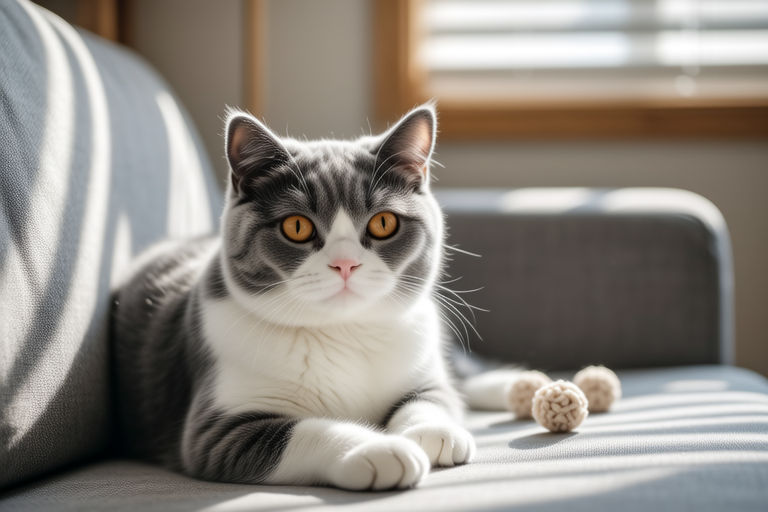
Living with a Munchkin Cat: Tips and Tricks from an Expert
Welcome to the fascinating world of Munchkin cats! These unique felines have captured the hearts of many pet lovers with their distinctive short-legged appearance and charming personalities. If you’re considering bringing a Munchkin cat into your home, this guide will provide you with essential tips and tricks to ensure a harmonious living environment. From understanding their physical traits and common health issues to setting up a safe and comfortable space, we’ll cover everything you need to know about living with a Munchkin cat.
The Unique Characteristics of Munchkin Cats
Munchkin cats are known for their short legs, which give them a distinct appearance that’s both endearing and intriguing. Their legs are typically half the length of those found in other domestic cats, leading to a crouched posture that some liken to a miniature greyhound. Despite their unusual gait, Munchkins are surprisingly agile and can leap as high as any other cat. This breed comes in a wide range of coat colors and patterns, making each individual Munchkin unique.
In terms of temperament, Munchkin cats are generally friendly, playful, and affectionate. They enjoy human companionship and often form strong bonds with their owners. However, they can also be independent and curious, exploring every nook and cranny of their surroundings. These traits make them excellent indoor companions who thrive on interaction and mental stimulation.
Physical Traits and Common Health Issues
The most striking feature of Munchkin cats is their disproportionately short legs, which can lead to certain health considerations. While many Munchkin cats lead healthy lives, it’s important to be aware of potential issues such as spinal problems, lordosis (an inward curve of the spine), and pectus excavatum (a chest deformity). Regular veterinary check-ups are crucial to monitor their overall health and address any concerns early.
Despite their physical differences, Munchkin cats have the same basic needs as other domestic cats. They require a balanced diet, regular grooming, and plenty of exercise to maintain their well-being. Understanding these requirements will help you provide the best care possible for your Munchkin companion.
Setting Up Your Home for a Munchkin Cat
Creating a safe and comfortable environment for your Munchkin cat is essential. Given their shorter legs, you’ll want to ensure that your home is easily navigable for them. Install ramps or steps to help them access elevated areas like countertops or windowsills. Secure loose wires and small objects that could pose a choking hazard. Additionally, consider providing soft bedding and cozy hiding spots where they can retreat when feeling overwhelmed.
Investing in sturdy scratching posts and climbing structures will encourage natural behaviors while preventing damage to furniture. These items also serve as great toys, stimulating both physical and mental activity. Lastly, place litter boxes in accessible locations throughout your home to accommodate their mobility needs.
Grooming, Feeding, and Exercising Your Munchkin Cat
Grooming a Munchkin cat involves routine brushing to prevent matting and tangles, especially if they have long hair. Use a slicker brush or comb designed for sensitive skin to gently remove loose fur and distribute natural oils. Bathing should only be done when necessary, as frequent bathing can strip away essential oils from their coat.
When it comes to feeding, consult with your veterinarian to determine the appropriate amount and type of food based on your Munchkin’s age, weight, and activity level. High-quality commercial diets formulated for indoor cats are generally recommended due to their sedentary lifestyle. Avoid overfeeding to prevent obesity, which can exacerbate existing health conditions.
Exercise is vital for maintaining optimal health in Munchkin cats. Interactive play sessions using laser pointers, feather wands, or puzzle feeders can stimulate their minds and bodies. Encourage gentle stretching exercises by placing treats at varying heights around the house. Providing vertical spaces through shelves or cat trees allows them to explore different levels within their environment.
Training and Socializing Your Munchkin Cat
Training your Munchkin cat can be enjoyable and rewarding. Positive reinforcement techniques such as clicker training or offering treats work well for teaching basic commands like “sit” or “come.” Consistency is key when establishing boundaries and expectations. For example, consistently redirecting unwanted behaviors towards appropriate outlets helps reinforce desired actions.
Socialization plays an important role in shaping your Munchkin cat’s personality. Introduce them gradually to various stimuli, including people, animals, and environments. This exposure builds confidence and reduces fearfulness. Consider enrolling in obedience classes or participating in cat agility competitions to enhance bonding experiences and promote healthy development.
Addressing Behavioral Issues
Behavioral challenges may arise during different stages of your Munchkin cat’s life. Common issues include aggression, litter box avoidance, excessive vocalization, or destructive chewing. Identifying underlying causes behind these behaviors is crucial for effective resolution. Consultation with professionals such as behaviorists or trainers offers valuable guidance tailored specifically to your situation.
Patience and understanding go hand-in-hand when dealing with behavioral problems. Implementing consistent routines, providing enrichment opportunities, and seeking professional advice ensures successful management strategies. Remember that every cat responds differently; therefore, adjustments might be necessary depending upon individual responses.
The Rewards of Owning a Munchkin Cat
Owning a Munchkin cat brings countless joys into one’s life. Their endearing personalities, coupled with their adaptability, create lasting memories for both first-time and experienced pet owners alike. Watching them navigate through life with grace despite their unique physique evokes admiration and appreciation.
Moreover, sharing moments filled with laughter, love, and companionship strengthens emotional bonds between humans and animals. The unconditional affection offered by Munchkin cats enriches our daily experiences, fostering deeper connections within households.
Resources for Further Learning
To deepen your knowledge about Munchkin cats, several resources are available:
- Books written by experts in feline care offer detailed insights into specific topics related to raising Munchkin cats.
- Online forums and communities connect enthusiasts worldwide, facilitating discussions and exchanging experiences.
- Veterinary clinics provide personalized consultations addressing concerns unique to your pet’s health.
Exploring these avenues equips you with additional tools necessary for nurturing happy, healthy Munchkin cats.