 By admin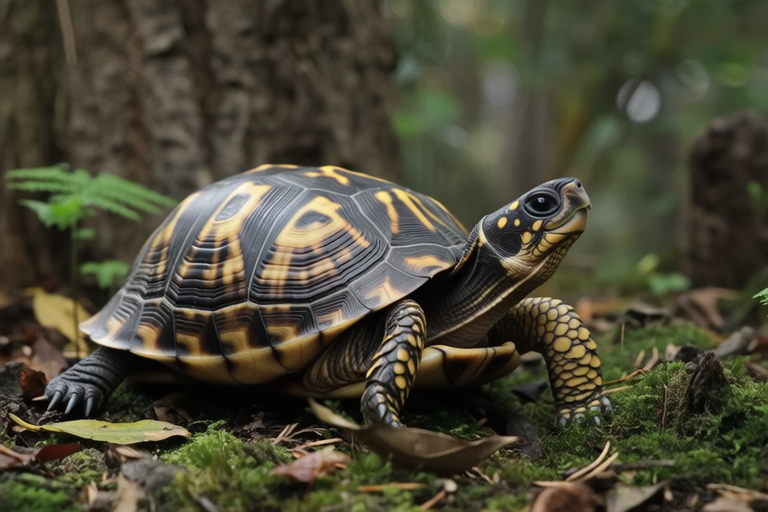
The Three-Striped Box Turtle: A Closer Look at a Unique Species
The three-striped box turtle (Psuedemys scripta triunguis) is a captivating reptile native to parts of North America. Its distinctive appearance, coupled with fascinating behaviors and ecological significance, makes it a subject of interest for nature enthusiasts and researchers alike.
Physical Characteristics
One of the most striking features of the three-striped box turtle is the three bold, yellow stripes that run down its dark brown or black shell and head. These stripes are what give the turtle its common name. The shell itself is domed and hinged at the bottom, allowing the turtle to withdraw its head, legs, and tail completely inside for protection. This feature is characteristic of all box turtles and is an evolutionary adaptation that has helped them survive for millions of years.
In addition to the stripes, the three-striped box turtle has a pair of large scales behind each eye, which can vary in color from yellow to red. Males tend to have more colorful heads and legs compared to females, with reds, oranges, and yellows being more prominent. Their skin is generally smooth and ranges from olive green to black, depending on the individual’s age and location.
Natural Habitat
These turtles are found primarily in the southeastern United States, including parts of Alabama, Arkansas, Florida, Georgia, Louisiana, Mississippi, Missouri, Oklahoma, Tennessee, and Texas. They inhabit a variety of environments, such as forests, swamps, marshes, and grasslands. Preferred habitats include areas with abundant vegetation, as these provide both food and cover. The three-striped box turtle is particularly fond of wetlands and floodplains, where they can find a diverse range of food sources and nesting sites.
Their habitat also includes sandy or loamy soils, which are ideal for digging burrows. During extreme weather conditions, such as droughts or heavy rains, these turtles may retreat into their burrows for extended periods. This ability to adapt to different environmental conditions is crucial for their survival.
Behavior and Diet
Three-striped box turtles are primarily diurnal, meaning they are most active during the day. They are solitary creatures, preferring to live alone except during mating season. When not foraging or basking, they can often be found resting in the shade or near water bodies. These turtles are excellent climbers and swimmers, which allows them to explore various parts of their habitat in search of food.
Their diet consists mainly of plant matter, including fruits, leaves, flowers, and mushrooms. However, they are also opportunistic omnivores, meaning they will eat insects, snails, slugs, and even carrion when available. Younger turtles tend to have a higher protein diet, while adults consume more vegetation as they age. This dietary flexibility helps them thrive in different environments.
Adaptations to the Environment
The three-striped box turtle has several adaptations that allow it to survive in its natural habitat. For example, its hinged plastron (bottom shell) enables it to close itself tightly within its shell when threatened, providing protection from predators. Additionally, their strong limbs and sharp claws help them dig burrows and forage for food efficiently.
During colder months, these turtles enter a state of dormancy known as brumation. Unlike hibernation in mammals, brumation involves periods of activity interspersed with bouts of inactivity. The turtles move to deeper burrows or underwater locations where they can remain inactive until temperatures rise again in spring.
Lifespan, Reproduction, and Conservation Efforts
The average lifespan of a three-striped box turtle is around 30 to 40 years, but some individuals have been known to live up to 50 years or more in captivity. Females reach sexual maturity between 7 to 10 years of age, while males mature slightly earlier, usually by 5 to 6 years.
Mating typically occurs in late spring or early summer, with females laying clutches of 2 to 8 eggs in sandy soil. Incubation lasts approximately 90 days, after which hatchlings emerge fully formed and independent. Unfortunately, many factors threaten the survival of these turtles, including habitat loss, road mortality, and collection for the pet trade.
To address these threats, various conservation efforts are underway. Many organizations work to protect critical habitats and raise awareness about the importance of preserving wildlife. Some initiatives focus on educating the public about responsible pet ownership, encouraging people to adopt rather than purchase wild-caught animals. Additionally, research projects aim to better understand the biology and ecology of three-striped box turtles so that effective conservation strategies can be developed.
Role in the Ecosystem
The three-striped box turtle plays an essential role in maintaining ecological balance within its habitat. As seed dispersers, they contribute to forest regeneration by consuming fruits and seeds and then depositing them elsewhere through their feces. This process aids in the distribution of plant species throughout the area. Furthermore, their consumption of insects and other small organisms helps control populations of potential pests.
Understanding this species is vital for ensuring the health of ecosystems where they reside. By studying their behavior, diet, and interactions with other organisms, scientists can gain insights into broader ecological patterns and processes. This knowledge can inform management practices aimed at protecting biodiversity and promoting sustainable land use.
Tips for Responsible Turtle Watching
If you encounter a three-striped box turtle in the wild, it’s important to observe it respectfully without disturbing its natural activities. Here are some guidelines:
- Observe from a distance: Keep a safe distance and avoid handling the turtle unless necessary. Handling can stress the animal and potentially cause injury.
- Do not feed: Feeding wild animals can alter their natural feeding habits and lead to dependency on human-provided food sources.
- Be cautious near roads: If you see a turtle crossing a road, try to assist it safely across in the direction it was heading. Do not relocate it far from where you found it, as this could disorient the animal.
- Report sightings: Consider reporting your observation to local wildlife authorities or citizen science projects. Your contribution can help researchers monitor population trends and identify priority areas for conservation efforts.
By following these guidelines, you can enjoy observing three-striped box turtles while helping to ensure their continued presence in the wild.