 By admin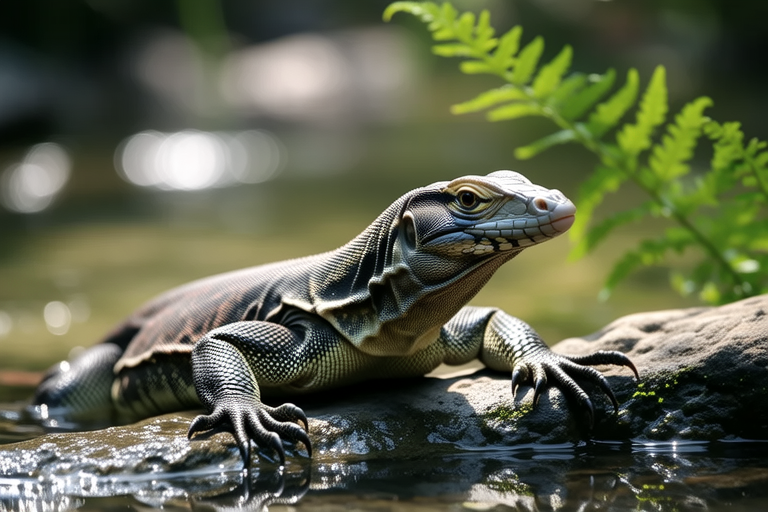
Top 10 Fascinating Facts About the Elusive Water Monitor Lizard
The water monitor lizard (Varanus salvator) is a reptile that has captured the imagination of wildlife enthusiasts and scientists alike. This species, known for its impressive size and remarkable adaptability, is one of the largest lizards in the world. It roams through diverse habitats from Southeast Asia to India, displaying a range of behaviors and physical traits that make it a subject of both wonder and study. Here are ten fascinating facts about the water monitor lizard that will deepen your appreciation for this elusive creature.
1. Adept Swimmer and Agile Climber
The water monitor lizard is not just a terrestrial animal; it is equally at home in aquatic environments. Its powerful tail and webbed feet make it an adept swimmer, capable of diving to depths of up to 45 meters (148 feet) and holding its breath for over 30 minutes. This adaptation allows it to escape predators and hunt for food underwater. Additionally, the water monitor can climb trees with ease, thanks to sharp claws and strong limbs. This dual ability to move between land and water gives it a significant advantage in finding prey and avoiding danger.
2. Versatile Diet
The water monitor is an opportunistic feeder, with a diet that varies widely depending on its environment. While insects and small vertebrates form the bulk of its diet, this lizard also consumes eggs, fruits, and carrion. Interestingly, some water monitors have been observed eating toxic animals like venomous snakes without suffering ill effects. This dietary flexibility contributes to their survival in different ecosystems, where they play a crucial role as scavengers and predators.
3. Exceptional Thermoregulation
Water monitors have developed an efficient method of thermoregulation that helps them maintain optimal body temperature. By basking in the sun and then moving into shaded areas when overheated, these lizards can control their internal temperature more precisely than many other reptiles. This ability is particularly important in tropical climates, where maintaining a stable body temperature is essential for metabolic processes and overall health.
4. Complex Social Structure
Contrary to popular belief, water monitors are not solitary creatures. They exhibit complex social behaviors, including territorial disputes and courtship rituals. Male water monitors often engage in combat during mating season, using their powerful jaws and tails to assert dominance. Females may also display aggressive behavior towards rivals to protect their nesting sites. These interactions suggest a level of social complexity that challenges our understanding of reptilian behavior.
5. Elaborate Nesting Habits
Females are meticulous in selecting nesting sites, typically choosing locations near water bodies such as riverbanks or lakeshores. They dig deep burrows where they lay clutches of up to 40 eggs. The mother guards her nest for several weeks until the eggs hatch, a rare example of parental care among reptiles. This behavior increases the chances of survival for the offspring, contributing to the species’ resilience.
6. Camouflage and Coloration
The water monitor’s coloration serves multiple purposes beyond mere camouflage. Their skin patterns vary significantly across different regions, allowing them to blend seamlessly into their surroundings. Some populations have evolved darker hues to absorb more heat, while others possess lighter colors to reflect sunlight and stay cool. This variability in appearance underscores the evolutionary pressures faced by this species.
7. Unique Defensive Mechanisms
In addition to their formidable size and strength, water monitors possess several defensive strategies. When threatened, they can release a foul-smelling substance from glands near their cloaca. This odor acts as a deterrent to potential predators. Moreover, their sharp teeth and powerful bite allow them to defend themselves effectively against threats. These defenses highlight the water monitor’s adaptability in protecting itself.
8. Role in Ecosystems
The water monitor plays a vital role in maintaining ecological balance. As both predator and prey, it influences population dynamics within its ecosystem. By controlling pest species and dispersing seeds through fruit consumption, the water monitor contributes to biodiversity. However, human activities such as deforestation and poaching pose significant threats to this species, underscoring the importance of conservation efforts.
9. Longevity and Growth
Water monitors can live for up to 20 years in the wild, reaching lengths of over 3 meters (9.8 feet). Their growth rate is influenced by factors such as diet and environmental conditions. Younger individuals grow faster than adults, but even mature lizards continue to add muscle mass throughout their lives. This longevity and continuous growth contribute to their ecological impact and reproductive success.
10. Conservation Challenges
Despite its widespread distribution, the water monitor faces numerous conservation challenges. Habitat loss due to urbanization and agricultural expansion reduces available space for these lizards. Furthermore, illegal trade for meat, leather, and traditional medicine poses additional risks. Efforts to protect this species include establishing protected areas and raising awareness about its importance in ecosystems. Collaboration between governments, NGOs, and local communities is crucial for ensuring the survival of the water monitor lizard.
Understanding the water monitor lizard reveals much about the intricate relationships within ecosystems and the challenges facing wildlife today. By appreciating these fascinating creatures, we can work towards preserving their habitats and ensuring their continued presence in our world.