 By admin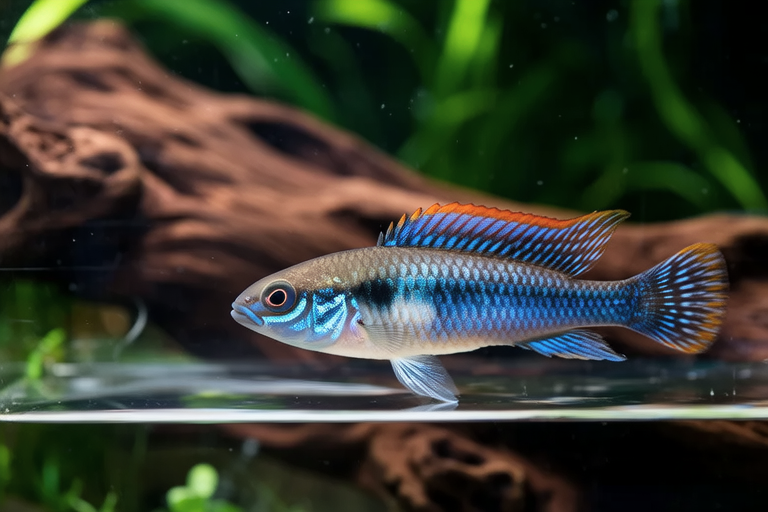
The Ultimate Rajah Cichlid Owner’s Handbook: Essential Facts and Advice
Introduction
Welcome to the world of Rajah cichlids, one of the most captivating and colorful freshwater aquarium fish. This guide will provide you with all the essential information needed to care for your Rajah cichlids, from understanding their natural habitat to setting up the perfect tank environment. Whether you’re a seasoned aquarist or just starting out, this handbook will equip you with the knowledge to ensure your Rajah cichlids thrive.
Origin and Natural Habitat
Rajah cichlids (Boulengerochromis microlepis) originate from Lake Tanganyika, one of the African Great Lakes. These lakes are renowned for their biodiversity and are home to many unique species of cichlids. The Rajah cichlid is native to the deep waters of the lake, where they live at depths ranging from 40 to 100 meters. They prefer rocky areas and caves, which provide shelter and hunting grounds. Understanding these natural conditions is crucial for mimicking their environment in captivity.
Ideal Tank Setup Requirements
Creating a suitable habitat for Rajah cichlids involves several key factors:
- Tank Size: A minimum tank size of 125 gallons is recommended for a single pair of Rajah cichlids. Larger tanks are preferable if housing multiple pairs or adding additional fish.
- Substrate: Use fine sand or smooth gravel to replicate the lake bottom. Avoid sharp-edged substrates that can injure the fish.
- Hiding Spots: Provide ample hiding spots such as rocks, caves, and driftwood to mimic their natural environment.
- Filtration: Efficient filtration is vital due to the large bioload of cichlids. Consider using a combination of mechanical, biological, and chemical filtration.
- Aeration: Ensure good oxygen levels by using air stones or powerheads to create water movement.
Water Parameters
Maintaining optimal water conditions is critical for the health of Rajah cichlids:
- Temperature: Keep the water temperature between 75°F and 82°F (24°C to 28°C).
- pH Levels: Aim for a pH range of 7.8 to 9.0 to mimic the alkaline conditions of Lake Tanganyika.
- Hardness: Maintain general hardness (GH) between 10 and 20 dGH and carbonate hardness (KH) between 8 and 14 dKH.
- Ammonia/Nitrite: Both should be undetectable. Regular water testing and partial water changes are necessary.
Diet and Feeding Guidelines
Rajah cichlids are carnivorous and require a diet rich in protein:
- Live Foods: Feed them live foods like brine shrimp, bloodworms, and blackworms to simulate their natural diet.
- Commercial Foods: High-quality cichlid pellets and flakes designed for carnivorous fish are also beneficial.
- Frequency: Feed them two to three times daily, offering small portions to prevent overfeeding and water pollution.
Common Health Issues
Like any fish, Rajah cichlids are susceptible to various health problems:
- Ich: A common parasite causing white spots on the fish’s body. Treatment includes raising the water temperature and using anti-parasitic medications.
- Bacterial Infections: Symptoms include lethargy, loss of appetite, and red patches. Antibiotics may be required under veterinary supervision.
- Swim Bladder Disorder: Caused by poor diet or physical injury, leading to buoyancy issues. Adjusting diet and providing a soft substrate can help.
Compatibility with Other Fish Species
Rajah cichlids are territorial and aggressive, especially during breeding periods. It’s best to keep them in a species-only tank to avoid conflicts. However, if you wish to introduce other fish, consider peaceful, robust species that can defend themselves, such as some Lake Tanganyika cichlids.
Behavioral Traits
Rajah cichlids exhibit distinct behavioral patterns:
- Aggression: They can be highly aggressive towards conspecifics, particularly during breeding. Males often establish territories and engage in displays.
- Feeding Behavior: They are opportunistic feeders, often scavenging for food in the substrate.
- Social Structure: In the wild, they form loose social groups, but in captivity, it’s advisable to house them singly or in pairs.
Spotting Signs of Stress or Illness
Recognizing early signs of stress or illness is crucial for timely intervention:
- Lethargy: Reduced activity or swimming near the bottom of the tank.
-
- Loss of Appetite: Refusal to eat or decreased interest in food.
- Abnormal Behavior: Erratic swimming, floating upside down, or gasping at the surface.
- Visible Symptoms: Fading coloration, lesions, or unusual growths.
How to Maintain a Healthy Environment
To ensure your Rajah cichlids remain healthy, follow these tips:
- Regular Water Changes: Perform weekly partial water changes to maintain water quality.
- Proper Filtration: Invest in high-quality filters to remove waste and toxins.
- Monitoring: Regularly check water parameters and observe the fish for any unusual behavior.
- Stress Reduction: Minimize sudden changes in water conditions and tank mates.
Conclusion
Caring for Rajah cichlids requires dedication and attention to detail. By understanding their natural habitat, providing the right tank setup, and monitoring their health, you can ensure these magnificent fish thrive in your aquarium. Remember, patience and consistency are key to successful cichlid keeping. Enjoy the rewarding experience of owning these beautiful creatures!