 By admin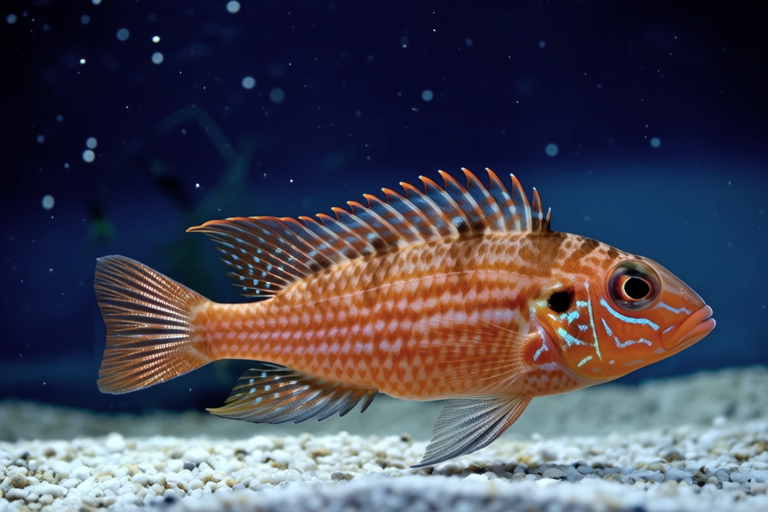
Mastering the Care of the Rajah Cichlid: Tips from Experts
The Rajah cichlid, scientifically known as Aequidens rivulatus, is a striking freshwater fish native to South America. Its vibrant colors and spirited behavior make it a favorite among cichlid enthusiasts. This article compiles expert advice on how to provide optimal care for your Rajah cichlid, covering everything from tank setup to diet and health management.
Ideal Tank Setup
Creating a suitable environment for your Rajah cichlid is crucial for its well-being. Experts recommend a minimum tank size of 75 gallons for a single adult Rajah cichlid, with additional space required for each additional fish. The tank should be equipped with robust filtration systems capable of handling high levels of biological waste, as Rajah cichlids produce significant amounts of ammonia.
Substrate plays an important role in the tank’s appearance and functionality. A sandy substrate is preferred, as it mimics the natural habitat of the Rajah cichlid and prevents injuries to their delicate barbels. Decorative elements such as driftwood, rocks, and caves are also beneficial. These not only enhance the aesthetic appeal of the tank but also provide hiding spots and territorial boundaries for the fish.
Lighting is another essential aspect of the tank setup. While Rajah cichlids can adapt to various lighting conditions, it’s best to simulate their natural environment by providing a 10-12 hour light cycle. This helps maintain their circadian rhythms and encourages healthy behavior. Additionally, incorporating floating plants or surface decorations can create shaded areas within the tank, which are particularly appreciated by these species.
Water Parameters
Maintaining appropriate water parameters is vital for the health and longevity of Rajah cichlids. The ideal temperature range for these fish is between 75°F and 82°F (24°C to 28°C). Water hardness should be kept between 8 and 15 dGH, and pH levels should be maintained at around 6.0 to 7.0. Regular monitoring of these parameters using test kits is recommended to ensure a stable environment.
Water changes are necessary to keep the tank clean and free from harmful toxins. Experts suggest performing partial water changes of about 20-30% every week. During these changes, it’s important to use dechlorinated water that matches the existing tank conditions as closely as possible. This minimizes stress on the fish and reduces the risk of health issues.
Diet
Rajah cichlids are omnivorous and require a balanced diet to thrive. Their staple diet should consist of high-quality pellets or flakes designed for cichlids. These foods are formulated to provide essential nutrients and promote healthy growth. Additionally, incorporating live or frozen foods such as brine shrimp, bloodworms, and daphnia into their diet can enhance their nutritional intake and stimulate natural feeding behaviors.
Vegetable matter is also an important component of their diet. Feeding them blanched vegetables like zucchini, spinach, and peas can help maintain digestive health and provide necessary vitamins and minerals. It’s advisable to offer a variety of food types to ensure a well-rounded diet and prevent nutritional deficiencies.
Breeding Habits
Breeding Rajah cichlids can be a rewarding experience for dedicated aquarists. To encourage breeding, it’s essential to provide a pair of compatible fish in a well-established and stable environment. Males and females typically reach sexual maturity at around 6 months of age. Signs of readiness include intensified coloration and aggressive territorial behavior.
Once a pair has bonded, they will establish a breeding territory and begin preparing the site. This often involves cleaning a flat surface, such as a rock or the tank bottom, where the female will lay her eggs. Both parents take turns guarding the eggs until they hatch. After hatching, the fry remain attached to the substrate for a few days before becoming free-swimming. At this point, they should be fed infusoria or commercially available fry food.
Common Health Issues
Like all aquatic creatures, Rajah cichlids are susceptible to certain health problems. One of the most common issues is ich, a parasitic infection characterized by white spots on the fish’s body. Prompt treatment with appropriate medications is crucial to prevent the spread of the parasite and ensure the fish’s recovery.
Another frequent problem is fin rot, which manifests as frayed or discolored fins. This condition can be caused by poor water quality or bacterial infections. Maintaining good water conditions and addressing any signs of illness promptly can help prevent and treat fin rot effectively.
Experts advise regular observation of the fish’s behavior and physical appearance. Any noticeable changes, such as lethargy, loss of appetite, or unusual spots or lesions, should prompt immediate action. Consulting with a veterinarian specializing in aquatic animals can provide valuable guidance and ensure proper diagnosis and treatment.
Behavioral Traits
Rajah cichlids are known for their active and sometimes aggressive behavior. They are highly territorial, especially during feeding times or when establishing dominance within the group. Providing ample hiding spots and ensuring adequate space can help mitigate conflicts between individuals.
These fish exhibit interesting social behaviors, particularly during breeding seasons. They form pairs and engage in courtship rituals that involve chasing, nipping, and displaying vibrant colors. Observing these interactions can be fascinating for aquarists and adds an element of excitement to the hobby.
Despite their sometimes assertive nature, Rajah cichlids can coexist peacefully with other robust species. However, it’s important to choose tankmates carefully, avoiding overly timid or delicate fish that might become stressed or injured by the cichlids’ behavior.
Conclusion
Mastering the care of the Rajah cichlid requires attention to detail and a commitment to providing a stimulating and healthy environment. By following the expert advice outlined in this article, you can ensure your Rajah cichlids lead long, happy lives. Whether you’re a novice or an experienced aquarist, understanding the specific needs of these remarkable fish will enhance your enjoyment of the hobby and deepen your connection with your aquatic companions.