 By admin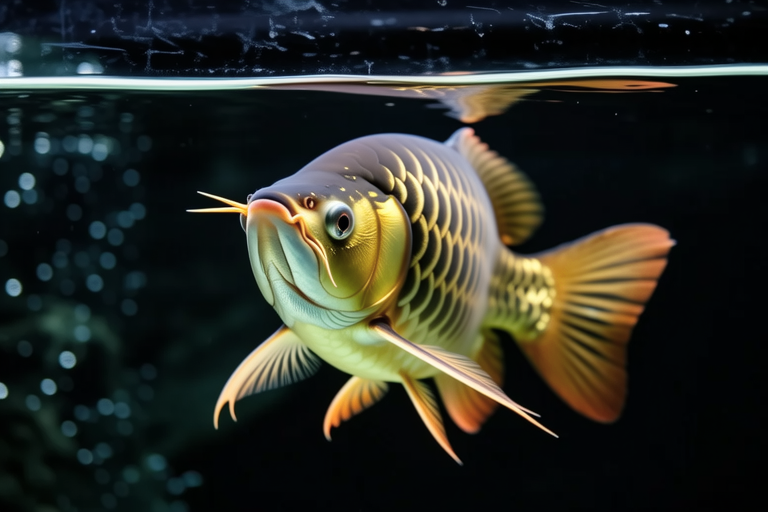
Unlocking the Mysteries of Keeping an Arowana as a Pet
Arowanas, often referred to as “Dragon Fish,” are some of the most fascinating creatures that can be kept as pets. These fish are renowned for their unique characteristics, which include a striking appearance and impressive jumping abilities. Originating from South America, Africa, and parts of Asia, Arowanas have garnered attention for their sleek bodies and long dorsal fins. Their ability to leap out of the water to catch insects and small birds makes them even more captivating. For enthusiasts and aquarists, keeping an Arowana presents a unique challenge and a rewarding experience. This article aims to provide comprehensive guidance on the care, maintenance, and bonding with these magnificent fish.
Introduction: The Unique Characteristics of Arowanas
Arowanas are known for their distinct physical features that set them apart from other freshwater fish. They possess elongated bodies with large scales that shimmer under light, giving them a majestic look. Their mouths are positioned at the top of their heads, enabling them to breathe air directly from the surface, a trait that has earned them the nickname “Dragon Fish.” Additionally, their pectoral fins are robust and capable of propelling them through the water with great agility. Their diet primarily consists of live prey, but they can also consume plant matter, making them omnivorous. The combination of these traits makes Arowanas both a beautiful and intriguing addition to any aquarium.
Tank Requirements: Size, Water Conditions, and Filtration Systems
To ensure the health and longevity of your Arowana, it is crucial to provide an environment that mimics their natural habitat. First and foremost, the tank size plays a pivotal role in their well-being. Adult Arowanas can grow up to three feet in length, so a minimum tank size of 300 gallons is recommended. Larger tanks are preferred for multiple fish or if you intend to keep other species alongside them.
The water conditions must also be carefully managed. Arowanas thrive in slightly acidic to neutral water with a pH level between 6.5 and 7.5. The temperature should be maintained between 78°F and 84°F (25°C to 29°C). Regular testing of water parameters is essential to prevent fluctuations that could stress the fish. High-quality filtration systems are indispensable for maintaining water quality. Biological, mechanical, and chemical filtration should work in tandem to remove waste, excess food, and harmful chemicals. Consider investing in a high-capacity external filter that provides ample water flow and aeration.
Dietary Needs: Natural and Supplementary Foods
Arowanas are carnivorous and require a varied diet rich in protein to thrive. In the wild, they feed on insects, small fish, crustaceans, and sometimes plant matter. To replicate this diet in captivity, offer them a mix of live and frozen foods. High-quality pellets and sticks formulated for large carnivorous fish can also be included in their diet. Feeding should be done two to three times a week, with each meal consisting of what the fish can consume within five minutes. Overfeeding can lead to health problems, so it’s important to monitor their eating habits closely.
Supplementary foods such as vitamin-enriched brine shrimp, bloodworms, and krill can enhance their nutritional intake. It is advisable to occasionally introduce novel food items to stimulate their interest and ensure a balanced diet. Feeding times should be consistent to establish a routine, helping to reduce stress and promote healthy digestion.
Behavioral Patterns and Stress-Free Living
Arowanas are territorial and can become aggressive towards other fish, especially those of similar size or shape. Therefore, it is best to house them singly or with compatible species that can defend themselves. They are active swimmers and enjoy exploring their surroundings, so providing ample swimming space and hiding spots is beneficial. Decorations like driftwood, rocks, and plants can enrich their environment, offering places to rest and hide when needed.
Maintaining a stress-free environment is crucial for their overall health. Avoid sudden changes in water parameters or tank decorations, as these can cause undue stress. Regular water changes, around 20% every two weeks, help maintain optimal water quality and reduce stress. Gentle handling during maintenance tasks ensures that the fish remains undisturbed. Observing their behavior regularly can help identify signs of stress or discomfort early on.
Common Health Issues and Preventive Measures
Like all animals, Arowanas are susceptible to various health issues. Common ailments include fin rot, ich (white spot disease), and bacterial infections. Fin rot manifests as frayed or discolored fins and can be caused by poor water quality or injuries. Ich appears as white spots on the body and fins and is typically due to stress or sudden changes in water conditions. Bacterial infections can lead to lethargy, loss of appetite, and skin lesions.
To prevent these issues, maintain pristine water quality and perform regular water changes. Quarantine new additions to the tank for at least two weeks to avoid introducing diseases. Use a quarantine tank if possible. Medications can be administered under veterinary supervision if health issues arise. Early detection and prompt treatment are key to ensuring a swift recovery.
Maintaining a Strong Bond and Ensuring Well-Being
Building a bond with your Arowana requires patience and consistency. Regular feeding sessions allow for interaction and create a positive association with humans. Some aquarists report that their Arowanas recognize and respond to their presence, even coming to the front of the tank when they approach. Providing enrichment activities, such as floating prey or interactive toys, can stimulate their minds and keep them engaged.
Ensure their well-being by monitoring their behavior and health daily. Pay attention to changes in appetite, activity levels, and appearance. Establish a routine for water maintenance, feeding, and observation to create a stable and predictable environment. By following these guidelines, you can enjoy a rewarding relationship with your Arowana while ensuring their health and happiness.
In conclusion, keeping an Arowana as a pet is a commitment that requires dedication and knowledge. Understanding their unique characteristics, providing suitable living conditions, and addressing their dietary and behavioral needs are essential steps in becoming a responsible aquarist. By following the advice outlined in this article, you can unlock the mysteries of keeping an Arowana and ensure a harmonious and thriving aquatic environment. With proper care and attention, your Arowana will not only survive but thrive, bringing joy and fascination to your home.