 By admin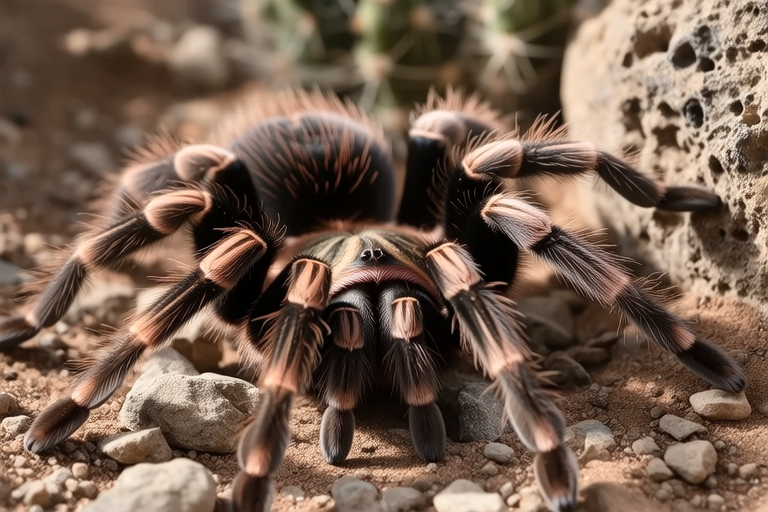
Inside the Secret Life of Your Chilean Rose Tarantula: Care Tips for Happy Arachnids
Welcome to the fascinating world of the Chilean Rose Tarantula (Grammostola rosea), one of the most popular pet tarantulas due to their docile nature and striking appearance. This article aims to provide you with comprehensive care tips, helping you understand and meet the unique needs of your arachnid companion.
Understanding the Natural Habitat
The Chilean Rose Tarantula originates from the dry, desert-like regions of Chile, Argentina, and Bolivia. They thrive in warm, arid conditions, which is why it’s crucial to replicate these environmental factors in captivity. These spiders prefer burrowing into the ground, so providing a substrate that allows for digging is essential.
Essential Tank Setup
Creating a suitable habitat for your Chilean Rose Tarantula involves more than just a glass enclosure. Start with a spacious tank that provides ample room for your spider to move around comfortably. A ten-gallon tank is usually sufficient for an adult. Ensure the tank has a secure lid to prevent escapes. The substrate should be at least four inches deep, allowing your tarantula to dig and create a cozy burrow. Suitable substrates include coconut fiber, reptile bark, or a mix of sand and soil.
Temperature and humidity are critical. Maintain temperatures between 78°F and 82°F (25°C to 28°C) during the day, dropping slightly at night. Use a hygrometer to monitor humidity levels, aiming for 60-70%. Providing a hide spot or cave is also important, as these spiders like to have a retreat where they can feel safe.
Dietary Needs
Chilean Rose Tarantulas are carnivorous and require a varied diet to ensure optimal health. Their staple food consists of crickets, but supplementing with other insects like mealworms, dubia roaches, and waxworms can offer a balanced diet. Feed juveniles every few days, while adults can be fed once a week. Always gut-load feeder insects with nutritious food before offering them to your tarantula. It’s also advisable to dust the insects with calcium and vitamin supplements to support bone and overall health.
Handling and Interaction Guidelines
Despite their docile nature, handling Chilean Rose Tarantulas requires caution. These spiders are not as tolerant of handling as some other pets. Handling should be minimal and only when necessary, such as during tank cleaning. When you do handle your tarantula, ensure your hands are clean and free of any chemicals. Gently scoop your spider up from behind, supporting its entire body. Be aware that tarantulas can flick urticating hairs, which can cause irritation if they come into contact with skin or eyes.
Common Health Issues
Like any pet, Chilean Rose Tarantulas can face health issues. Common problems include dehydration, mites, and improper shedding. Dehydration can occur if the humidity levels are too low, causing your tarantula to become lethargic and stop eating. Mites can infest the tank, leading to stress and potential health complications. Improper shedding can happen if the humidity is too high or low, resulting in retained molts. Regular observation and prompt action can help address these issues effectively.
Signs of a Happy and Healthy Tarantula
A healthy Chilean Rose Tarantula will exhibit certain behaviors and physical characteristics. Active feeding, regular molting, and burrowing are all positive signs. Their coloration should be vibrant, with no signs of discoloration or lesions. Additionally, your tarantula should show interest in its environment and be responsive to changes in temperature and light.
Unique Behaviors and Care Requirements
Chilean Rose Tarantulas possess several unique behaviors that set them apart from other pets. One of the most notable is their ability to molt. During this process, the spider sheds its exoskeleton, revealing a new, softer layer underneath. It’s essential to maintain the correct humidity levels to facilitate a successful molt. Another interesting behavior is their use of urticating hairs as a defense mechanism. These tiny hairs can be flicked off the abdomen and cause irritation to predators.
Practical Advice for New and Experienced Owners
New owners should start by thoroughly researching the specific needs of Chilean Rose Tarantulas before bringing one home. This includes setting up the tank correctly and understanding the feeding schedule. For experienced owners, continuous learning and adaptation are key. Stay updated on advancements in tarantula care and be open to making adjustments based on your spider’s individual needs.
In conclusion, owning a Chilean Rose Tarantula can be a rewarding experience. By understanding their natural habitat, setting up the right tank, providing a balanced diet, handling them with care, recognizing common health issues, and knowing the signs of a happy and healthy tarantula, you can ensure your arachnid companion thrives. Remember, each tarantula is unique, so adapt your care practices accordingly.