 By admin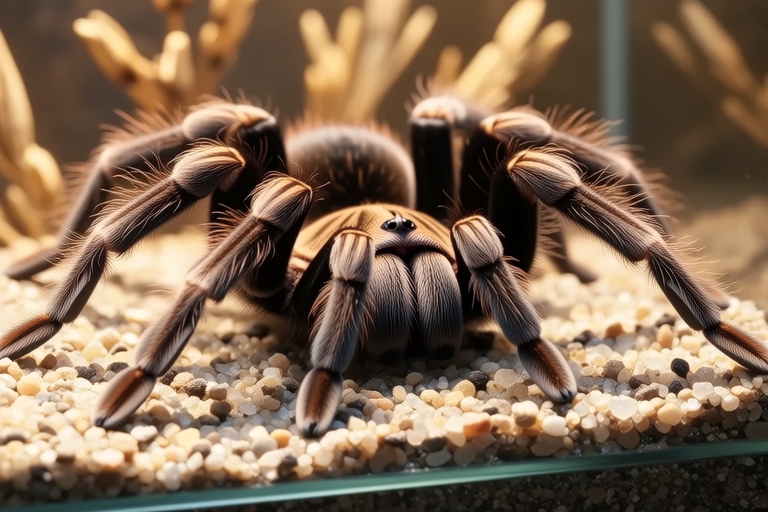
The Ultimate Guide to Chilean Rose Tarantula Care
Chilean rose tarantulas (Grammostola rosea) are among the most popular pet tarantulas due to their manageable size, docile nature, and relatively easy care requirements. However, owning any pet, especially an exotic one like a tarantula, comes with significant responsibilities. This guide will provide you with all the necessary information to ensure your Chilean rose tarantula thrives in its new home.
Habitat Setup
The first step in caring for your Chilean rose tarantula is setting up an appropriate habitat. A glass tank or terrarium is ideal, as it provides clear visibility while maintaining the right conditions inside. The enclosure should be at least three times the leg span of the tarantula in length and width, and twice the height.
Substrate is crucial for creating a natural environment. A mix of coconut fiber, peat moss, or vermiculite works well, providing a safe place for burrowing. Add a shallow water dish filled with dechlorinated water for hydration. Additionally, include cork bark or similar objects for climbing and hiding spots.
Temperature and Humidity Requirements
Maintaining the correct temperature and humidity levels is vital for the health of your tarantula. The ideal temperature range for a Chilean rose tarantula’s enclosure is between 75°F and 85°F (24°C to 29°C). Use a thermometer to monitor temperatures accurately. If necessary, install a heat mat or ceramic heater to maintain warmth.
Humidity should be kept around 60% to 70%. Achieve this by misting the substrate occasionally but avoid making it too wet, which can lead to mold growth. Proper ventilation is also essential to prevent stagnant air and excess moisture.
Diet Specifics
Chilean rose tarantulas are carnivorous and feed primarily on insects. Crickets, mealworms, and dubia roaches are excellent food sources. Feed juveniles every 3-5 days, while adults can eat once a week. Always gut-load feeder insects with nutritious foods before offering them to your tarantula.
Varying the diet ensures that your pet receives all necessary nutrients. Occasionally, supplementing with calcium powder can help support overall health. Remove uneaten prey after 24 hours to prevent potential harm to your tarantula.
Handling Tips
Chilean rose tarantulas are generally docile but can become stressed when handled improperly. Always handle your tarantula gently and with care. Use a long-handled tongs or cup to pick up your tarantula rather than your bare hands. Avoid sudden movements and give your pet time to adjust to your presence.
It’s important to note that even though these tarantulas are usually calm, they can bite if they feel threatened. Their venom is not dangerous to humans, but the bite can cause localized pain and swelling. Handling should be minimized to reduce stress and potential injuries.
Health Issues to Watch For
Regular observation is key to maintaining your tarantula’s health. Look out for signs of dehydration, such as dry skin or lack of mobility. Check for mites or other parasites that may infest the enclosure. A healthy tarantula will have a plump abdomen and move freely within its habitat.
Monitor feeding behavior closely; a loss of appetite could indicate illness. If you notice any unusual symptoms, consult a veterinarian specializing in exotic pets immediately. Early intervention can often prevent more serious health issues.
Common Myths Debunked
Myth 1: Tarantulas Are Aggressive
While some species of tarantulas can be aggressive, Chilean rose tarantulas are generally docile. They prefer to retreat or play dead rather than attack.
Myth 2: Tarantulas Require Frequent Handling
Tarantulas do not need regular handling. In fact, frequent handling can stress them and potentially cause injury. Handle only when necessary and always with care.
Myth 3: Tarantulas Can Live Outside Their Enclosure
Releasing your tarantula into the wild is harmful and illegal in many places. Even if you live in an area similar to its natural habitat, the tarantula might struggle to survive without proper care.
Responsible Pet Ownership
Owning a Chilean rose tarantula involves several responsibilities. Before acquiring one, research thoroughly about its needs and ensure you’re prepared for the commitment. Provide a suitable habitat, proper diet, and regular health checks. Educate yourself about potential risks and how to mitigate them.
Consider the environmental impact of keeping exotic pets. Support conservation efforts and choose captive-bred specimens over wild-caught ones. Always prioritize the welfare of your pet and respect local regulations regarding exotic animals.
In conclusion, with the right knowledge and dedication, owning a Chilean rose tarantula can be a rewarding experience. By following this guide, you’ll be well-equipped to provide your pet with a comfortable, healthy life. Remember, responsible pet ownership means more than just meeting basic needs—it’s about fostering a lifelong bond built on mutual respect and understanding.