 By admin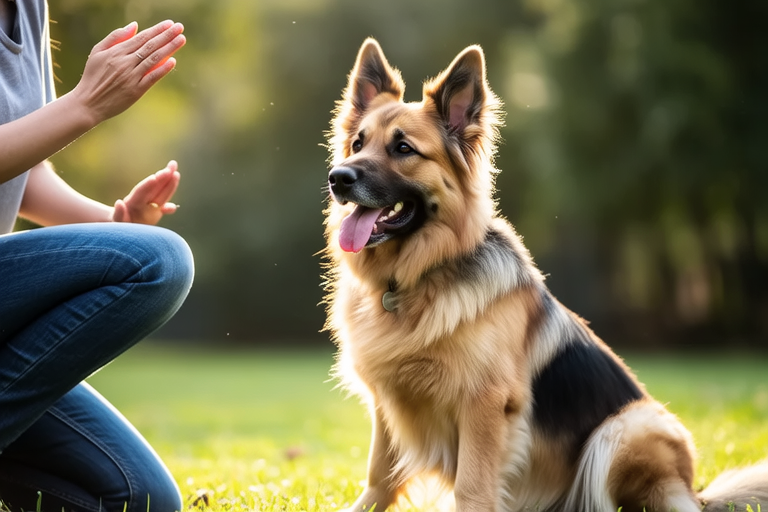
How to Train Your German Shepherd for Maximum Loyalty and Fun
Understanding German Shepherd Behavior
German Shepherds are known for their intelligence, loyalty, and protective nature. They are one of the most popular breeds for both families and professional roles like police work and search and rescue. To train your German Shepherd effectively, it’s important to understand their behavior and instincts.
German Shepherds are pack animals, and they thrive when they feel part of a family unit. They are naturally inclined to be obedient and responsive to authority, making them ideal candidates for training. However, they can also become anxious or destructive if left alone for too long or if they don’t get enough mental and physical stimulation.
Understanding your German Shepherd’s behavior will help you tailor your training approach. For example, positive reinforcement works well with this breed because it taps into their desire to please their human pack leader. By rewarding good behavior, you strengthen the bond between you and your dog, which is crucial for building loyalty.
Basic Obedience Training Techniques
Training your German Shepherd starts with basic obedience commands. These commands provide a foundation for more advanced training and ensure that your dog behaves appropriately in various situations.
- Sit: Start by holding a treat close to your dog’s nose and slowly move it up and back over their head. As your dog follows the treat with its eyes and sits down, say “sit” and give the treat as a reward. Repeat this several times until your dog associates the command with the action.
- Stay: Once your dog has mastered sitting, you can introduce the “stay” command. Have your dog sit, then extend your hand palm out in front of you while saying “stay.” Take a few steps back and return to your dog, giving the release word (“okay”) and a treat. Gradually increase the distance and duration as your dog becomes more comfortable.
- Down: This command teaches your dog to lie down on command. Hold a treat in your closed hand near your dog’s nose, then lower your hand to the ground. As your dog lowers itself to reach the treat, say “down” and give the treat as a reward. Practice this in short sessions to avoid overwhelming your dog.
- Heel: Teaching your dog to walk beside you without pulling on the leash is essential for safety and control. Start by walking next to your dog with the leash loose. When your dog begins to pull, stop and wait for them to come back to your side. Once they do, praise them and continue walking. Repeat this process until your dog understands that walking beside you is the desired behavior.
Consistency is key in basic obedience training. Use the same commands and rewards every time, and practice regularly to reinforce learning. Praise and treats should be given immediately after your dog performs the correct behavior to ensure they associate the action with the reward.
Advanced Training Methods for Increased Loyalty
Once your German Shepherd has mastered basic obedience, you can move on to more advanced training techniques that will further strengthen your bond and increase their loyalty. Here are some methods to consider:
- Clicker Training: Clicker training uses a small handheld device that makes a clicking sound to mark the moment your dog performs a desired behavior. This method is particularly effective for shaping complex behaviors because it allows for precise timing. Pair the click with a treat to reinforce the behavior. For example, if you’re teaching your dog to roll over, click the moment they begin to turn onto their side, then give them a treat. Over time, your dog will learn to associate the click with the reward and will repeat the behavior to earn more clicks.
- Problem Solving Games: Encourage your dog to think by setting up problem-solving games. For instance, hide treats around the house and give your dog clues to find them. This not only provides mental stimulation but also builds trust and loyalty as your dog learns to rely on you for guidance.
- Agility Training: Agility training involves teaching your dog to navigate an obstacle course that includes jumps, tunnels, and weave poles. This type of training is physically demanding and requires excellent coordination, making it an ideal activity for active German Shepherds. It also helps build teamwork and loyalty as you work together to achieve success.
Advanced training should always be done in a positive and encouraging environment. Never punish your dog for mistakes, as this can damage the trust and loyalty you’ve worked so hard to build. Instead, focus on reinforcing the behaviors you want to see and gently guiding your dog towards success.
Fun Activities to Bond with Your Dog
Bonding with your German Shepherd is essential for building loyalty and ensuring a happy, healthy relationship. Here are some fun activities you can enjoy together:
- Hiking: German Shepherds love outdoor adventures, and hiking is a great way to explore new places while getting exercise. Choose trails that match your dog’s fitness level, and bring along water and snacks for both of you. Hiking provides mental and physical stimulation, helping to prevent boredom and destructive behavior.
- Fetch: Playing fetch is a classic game that dogs and owners can enjoy together. Use a variety of toys to keep things interesting, and vary the throwing distances to challenge your dog. Fetch helps develop your dog’s retrieval skills and provides valuable bonding time.
- Teaching Tricks: Teaching your German Shepherd new tricks is not only fun but also mentally stimulating. Tricks like “shake,” “spin,” or “play dead” can be taught using positive reinforcement techniques. Each time your dog successfully completes a trick, reward them with praise and treats. This not only strengthens your bond but also gives your dog a sense of accomplishment.
- Volunteering: Many organizations offer opportunities for pet therapy, where you and your German Shepherd can visit hospitals, nursing homes, or schools to bring joy and comfort to others. This activity not only benefits those in need but also reinforces your dog’s role as a loyal companion.
Remember, the key to successful bonding activities is consistency and enjoyment. Make time for regular playdates and outings, and always be present and engaged during these activities. Your presence and attention will go a long way in building a strong, loyal relationship with your German Shepherd.
Common Challenges Faced During Training
While training your German Shepherd can be rewarding, it’s important to be prepared for common challenges that may arise. Here are some issues you might encounter and how to address them:
- Overexcitement: German Shepherds are often very energetic, which can make training sessions challenging. If your dog becomes overly excited, take a break and allow them to calm down before resuming training. Short, frequent training sessions are often more effective than long, drawn-out ones.
- Destructive Behavior: Lack of mental and physical stimulation can lead to destructive behavior, such as chewing on furniture or digging holes in the yard. Providing plenty of toys and engaging in regular exercise can help prevent this. Additionally, crate training can be useful for managing destructive behavior when you’re away from home.
- Lack of Focus: If your dog struggles to focus during training, try reducing distractions in the environment. Find a quiet space to train, and gradually increase the level of distraction as your dog becomes more focused. Using high-value treats and keeping training sessions short can also help maintain your dog’s attention.
- Separation Anxiety: Some German Shepherds develop separation anxiety when left alone, leading to behaviors like barking, pacing, or destroying property. To address this, gradually increase the amount of time your dog spends alone, starting with just a few minutes and working up to longer periods. Provide comfort items, such as a blanket with your scent, and leave a radio playing to create a familiar environment.
Patience and persistence are crucial when facing these challenges. Remember that every dog is different, and what works for one may not work for another. Be flexible in your approach and seek professional advice if needed.
Tips for Maintaining a Strong, Loyal Relationship
Maintaining a strong, loyal relationship with your German Shepherd requires ongoing effort and commitment. Here are some tips to help you nurture your bond:
- Regular Exercise: German Shepherds need plenty of physical activity to stay healthy and happy. Aim for at least two hours of exercise per day, including walks, runs, and playtime. Regular exercise helps prevent behavioral problems and keeps your dog mentally stimulated.
- Positive Reinforcement: Always use positive reinforcement to encourage good behavior. Reward your dog with treats, praise, and affection whenever they perform a desired action. This will strengthen the bond between you and your dog and reinforce the behaviors you want to see.
- Spending Quality Time Together: Set aside time each day to spend quality time with your German Shepherd. This could be anything from going for a walk to playing a game of fetch. The key is to engage in activities that both you and your dog enjoy. Quality time helps deepen the emotional connection between you and your dog.
- Respect Boundaries: While it’s important to set boundaries and establish rules, it’s equally important to respect your dog’s needs and limitations. For example, if your dog is tired or uncomfortable, give them space rather than forcing them to participate in activities. Respecting your dog’s boundaries fosters trust and mutual respect.
By following these tips, you can maintain a strong, loyal relationship with your German Shepherd and ensure that both of you enjoy a lifetime of companionship and fun.