 By admin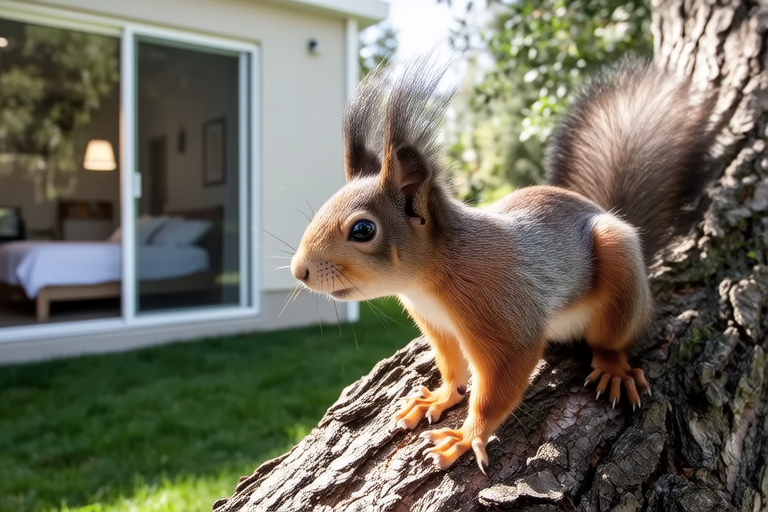
From Backyard to Bedroom: The Rise of Pet Squirrels
In recent years, there has been a noticeable trend among animal enthusiasts to bring wildlife into their homes as pets. One such trend involves the domestication of squirrels, a species traditionally seen as wild creatures that belong in parks and backyards. This article delves into the historical context of squirrels in urban environments, explores the shift in perception from wild animals to potential pets, discusses the legalities and challenges of owning a pet squirrel, and highlights the unique care requirements for these animals. We will also share some inspiring stories of successful pet squirrel ownership, concluding with future trends and considerations for those interested in this unconventional pet.
The Historical Context of Squirrels in Urban Environments
Squirrels have long been a common sight in urban settings. Their presence in cities can be traced back to the late 19th century when people began introducing them into city parks to provide entertainment for visitors. Initially, these urban squirrels were wild, but over time, they adapted to human environments, learning to scavenge for food and coexist with humans. This adaptation has made squirrels a familiar and beloved part of city life.
As urbanization continued, squirrels became increasingly comfortable around humans, leading to closer interactions. It was during this period that the idea of keeping squirrels as pets started to gain traction. While initially met with skepticism, the notion of domesticating these animals gradually gained acceptance among certain communities, particularly in regions where traditional pets like dogs and cats were common.
The Shift in Perception: From Wild Animals to Potential Pets
The transition from viewing squirrels solely as wild animals to considering them as potential pets is a significant shift. This change in perception is partly due to the increasing popularity of exotic pets and partly because of the natural affinity many people feel towards these agile and intelligent creatures.
The internet has played a pivotal role in this transformation. Social media platforms and online forums have provided a space for enthusiasts to share their experiences, photos, and videos of pet squirrels. These platforms have helped demystify the idea of keeping squirrels as pets, showcasing the bond between humans and these animals.
Moreover, advancements in animal behavior research have shown that squirrels, much like other mammals, can form strong bonds with humans if properly socialized from a young age. This knowledge has encouraged more people to consider squirrels as viable companions, leading to a growing interest in their domestication.
Legalities and Challenges of Owning a Pet Squirrel
Owning a pet squirrel comes with its own set of legal and practical challenges. The legality of keeping squirrels as pets varies widely depending on the region. In the United States, for example, laws governing exotic pets are often left to individual states, with some banning the practice entirely while others allow it under specific conditions.
Owners must ensure they comply with local regulations, which may include obtaining permits, adhering to quarantine periods, or providing proof of suitable housing and veterinary care. In some areas, even the possession of a squirrel without proper documentation can result in fines or confiscation.
Challenges extend beyond legal issues. Squirrels are highly active animals that require a considerable amount of space and mental stimulation. Owners must be prepared to invest in appropriate housing and enrichment activities to keep their pets healthy and happy. Additionally, squirrels have specific dietary needs, and feeding them incorrectly can lead to health problems.
Unique Care Requirements for Pet Squirrels
Proper care is essential for the well-being of pet squirrels. Diet plays a crucial role in maintaining their health. Squirrels are omnivores, meaning they eat both plants and animals. A balanced diet typically includes nuts, seeds, fruits, vegetables, and occasional insects or eggs. It’s important to avoid feeding them processed foods or excessive amounts of sugar, which can lead to obesity and other health issues.
Housing is another critical aspect of care. Squirrels need ample space to move around and exercise. A cage should be large enough to accommodate climbing structures, toys, and hiding spots. Outdoor enclosures are preferable as they allow squirrels to experience natural light and fresh air, but they must be secure to prevent escapes.
Socialization is key to ensuring a pet squirrel’s happiness and well-being. Early interaction with humans helps establish trust and reduces fear. Owners should dedicate time daily to play and interact with their pets, fostering a strong bond. Regular handling and positive reinforcement training can help manage behavior and teach commands.
Successful Pet Squirrel Stories
Despite the challenges, many individuals have successfully integrated pet squirrels into their households. One such story is that of Sarah Thompson, who adopted a baby squirrel after it was abandoned by its mother. With careful nurturing and patience, Sarah managed to raise the squirrel into a confident and affectionate companion. Today, her squirrel, named Nutmeg, enjoys playing fetch and spending quality time with Sarah.
Another inspiring tale comes from Mark Johnson, who turned his backyard into a sanctuary for rescued squirrels. Over the years, he has rehabilitated numerous injured and orphaned squirrels, eventually adopting some as pets. His experience underscores the rewarding nature of caring for these animals and the positive impact it can have on both the squirrels and their human caretakers.
These stories highlight the responsibilities and rewards of owning a pet squirrel. They demonstrate that with the right approach and dedication, it is possible to create a loving and fulfilling relationship with these unique creatures.
Future Trends and Considerations
As interest in pet squirrels continues to grow, so too does the need for education and regulation. Future trends are likely to involve increased awareness of the unique needs of these animals and the development of better resources for potential owners. This could include more comprehensive care guides, specialized veterinary services, and support networks for squirrel owners.
Additionally, there may be a push for more consistent and lenient regulations regarding the ownership of exotic pets, including squirrels. As attitudes towards wildlife conservation evolve, it’s important to strike a balance between respecting the rights of animals and meeting the needs of responsible pet owners.
For those considering a pet squirrel, it is crucial to thoroughly research and prepare. Understanding the commitment required and ensuring compliance with local laws are vital steps. With the right preparation and mindset, owning a pet squirrel can be a rewarding and enriching experience.