 By admin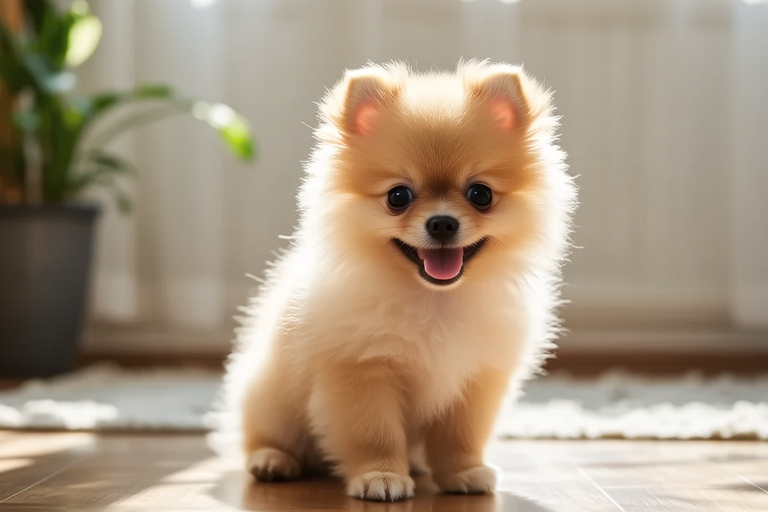
How to Raise a Happy and Healthy Pomeranian Puppy
Raising a Pomeranian puppy is a rewarding experience filled with love, laughter, and learning. However, it also requires commitment and knowledge to ensure your puppy grows into a happy, healthy, and well-adjusted adult dog. This guide will cover essential aspects of raising a Pomeranian puppy, including nutrition, exercise, grooming, socialization, training techniques, common health issues, and tips for creating a stimulating environment.
Nutrition: The Foundation of a Healthy Pomeranian Puppy
Proper nutrition is crucial for your Pomeranian puppy’s growth and development. Choose a high-quality puppy food that meets the specific nutritional needs of small breeds like Pomeranians. Look for foods that contain balanced amounts of protein, fats, carbohydrates, vitamins, and minerals. Consult with your veterinarian to determine the best diet for your puppy based on its age, size, activity level, and any potential health concerns.
Establish a consistent feeding schedule and portion control to prevent overeating or underfeeding. Feed your puppy two to three times a day until they reach six months old, then gradually reduce to twice a day. Avoid giving human food, as it can cause digestive issues and lead to obesity.
Exercise: Keeping Your Pomeranian Puppy Fit and Happy
Regular exercise is vital for maintaining your Pomeranian puppy’s physical and mental health. Despite their small size, Pomeranians need daily physical activity to stay fit and prevent behavior problems. Take your puppy for short walks, play fetch or tug-of-war, and provide interactive toys to keep them active and entertained.
Remember that puppies have shorter attention spans and limited endurance, so keep exercise sessions brief and fun. As your puppy grows older, you can gradually increase the duration and intensity of their activities. Always supervise your puppy during playtime to ensure their safety and avoid potential injuries.
Grooming: Maintaining Your Pomeranian Puppy’s Coat and Appearance
Pomeranians have long, luxurious coats that require regular grooming to maintain their appearance and prevent matting. Brush your puppy’s coat at least twice a week to remove loose hair and prevent tangles. Use a slicker brush and comb to gently detangle knots and mats. Bathe your puppy every four to six weeks or as needed, using a mild shampoo designed for dogs.
In addition to coat care, regularly clean your puppy’s ears, nails, and teeth to promote overall hygiene and prevent infections. Check your puppy’s ears weekly for signs of redness, swelling, or discharge, and clean them with a cotton ball dipped in a gentle ear-cleaning solution. Trim your puppy’s nails every few weeks to prevent overgrowth and discomfort. Brush your puppy’s teeth daily with a dog-specific toothpaste and toothbrush to prevent dental diseases.
Socialization: Encouraging Positive Interactions with People and Other Animals
Early socialization is critical for your Pomeranian puppy’s emotional and behavioral development. Expose your puppy to various people, animals, environments, and situations during their first few months of life to help them become confident and well-adjusted. Introduce your puppy to different individuals, including children, adults, and elderly people, to teach them how to interact appropriately with others.
Allow your puppy to meet other dogs and pets under controlled circumstances to encourage positive interactions. Attend puppy classes or visit dog parks where your puppy can safely socialize with other dogs. Use treats and praise to reward good behavior and reinforce positive experiences. Avoid overwhelming your puppy with too many new experiences at once, and always prioritize their comfort and safety.
Training Techniques: Teaching Your Pomeranian Puppy Good Behavior
Positive reinforcement training is the most effective and humane method for teaching your Pomeranian puppy good behavior. Reward your puppy with treats, praise, and affection when they exhibit desired behaviors, and ignore or redirect unwanted behaviors without punishment. Consistency is key in training; use the same commands and rewards consistently to help your puppy understand what is expected of them.
Start with basic obedience commands such as sit, stay, come, and heel. Gradually introduce more advanced commands and tricks as your puppy masters the basics. Use clicker training or hand signals to enhance communication and reinforce desired behaviors. Be patient and persistent in your training efforts, and celebrate your puppy’s successes along the way.
Common Health Issues: Recognizing and Preventing Problems in Pomeranian Puppies
Pomeranian puppies are generally healthy, but they are prone to certain health issues, including patellar luxation, hypothyroidism, and dental problems. Regular veterinary check-ups and vaccinations are essential for preventing and managing these conditions. Keep your puppy up-to-date on their vaccinations, heartworm prevention, and flea/tick treatments.
Monitor your puppy for signs of illness, such as lethargy, loss of appetite, vomiting, diarrhea, or changes in behavior. Contact your veterinarian if you notice any concerning symptoms or if your puppy does not seem themselves. Early intervention can prevent minor issues from becoming serious health problems.
Tips for Creating a Stimulating Environment
Create a safe and stimulating environment for your Pomeranian puppy to explore and learn. Provide plenty of chew toys, puzzle toys, and interactive games to keep your puppy mentally engaged and physically active. Rotate toys periodically to prevent boredom and maintain interest.
Designate a specific area for your puppy to sleep and relax, such as a cozy bed or crate. Establish a comfortable sleeping space that promotes restful sleep and prevents accidents. Use baby gates or barriers to restrict access to dangerous areas, such as stairs or electrical outlets.
Choosing the Right Puppy Food
Selecting the appropriate puppy food is one of the most important decisions you’ll make as a new Pomeranian owner. Opt for a high-quality commercial puppy food that contains real meat as the primary ingredient and avoids artificial preservatives, colors, and flavors. Consider your puppy’s individual needs, such as their age, size, and activity level, when choosing a food. Consult with your veterinarian for personalized recommendations and to address any potential dietary restrictions or allergies.
Establishing a Daily Routine
Establishing a daily routine is essential for your Pomeranian puppy’s well-being and helps them feel secure and comfortable in their environment. Set a consistent schedule for feeding, exercise, potty breaks, and bedtime. Stick to this routine as closely as possible to help your puppy develop good habits and establish a sense of structure.
Include designated times for play, training, and social interaction in your puppy’s daily routine. This will help them learn appropriate behaviors and develop strong bonds with you and other family members. Be flexible and adaptable as your puppy grows and their needs change, but maintain consistency wherever possible.
Addressing Behavioral Challenges
Behavioral challenges are common in young puppies, but with patience, consistency, and positive reinforcement, most issues can be resolved. Address chewing, barking, and other unwanted behaviors by redirecting your puppy’s attention to appropriate toys or activities. Use time-outs or crate training as necessary to discourage bad behavior without causing distress or fear.
Seek professional help if you’re struggling to manage your puppy’s behavior or if the issue persists despite your efforts. A certified dog trainer or behaviorist can provide guidance and support tailored to your specific situation. Remember that every puppy is unique, and some may require more time and effort to overcome behavioral challenges than others.
Ensuring Regular Veterinary Care
Regular veterinary care is essential for maintaining your Pomeranian puppy’s health and well-being. Schedule routine check-ups, vaccinations, and preventative care visits with your veterinarian to monitor your puppy’s growth and development. Follow your veterinarian’s recommendations for vaccinations, deworming, and flea/tick prevention.
Prepare for emergencies by creating an emergency kit containing essential supplies, such as bandages, antiseptic wipes, and a pet first-aid manual. Familiarize yourself with local emergency veterinary services and keep their contact information readily available. Regular veterinary care ensures that your puppy receives prompt treatment for any health issues that arise and helps prevent potential problems before they start.
Raising a happy and healthy Pomeranian puppy requires dedication, patience, and knowledge. By following the advice outlined in this guide, you can provide your puppy with the love, care, and attention they need to grow into a confident, well-adjusted adult dog. Enjoy the journey of raising your furry companion, and cherish the special bond you share with your Pomeranian puppy.