 By admin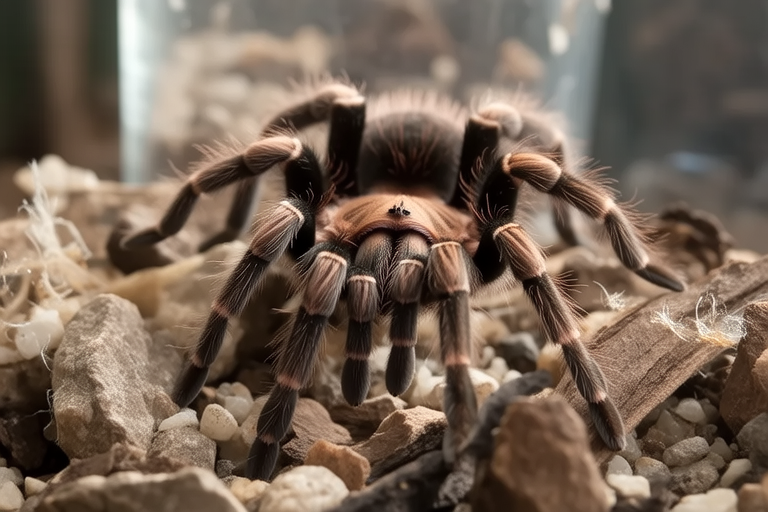
From Jungle to Home: How to Successfully Adopt a Chilean Rose Tarantula
The Chilean Rose Tarantula (Grammostola rosea) is one of the most popular pet tarantulas due to its manageable size, docile temperament, and striking appearance. These spiders are native to the arid regions of Chile and have adapted to thrive in dry, warm environments. Their name comes from the rose-tinted hue they exhibit when fully mature, making them a visually captivating addition to any home. Despite their intimidating appearance, these tarantulas are relatively easy to care for and can make excellent pets for both beginners and seasoned arachnophiles alike.
Preparing for Adoption
Before you bring your new pet home, it’s essential to set up a suitable environment that meets all their needs. This includes choosing the right enclosure, substrate, and providing necessary accessories.
Habitat Setup
A proper habitat ensures your tarantula remains healthy and comfortable. The tank should be at least 10 gallons for an adult tarantula, providing enough space for movement and exploration. A larger tank is preferable if you plan to house multiple tarantulas or want to give your pet more room.
The substrate serves as bedding for your tarantula and should be at least 4 inches deep to allow burrowing. Suitable substrates include coconut fiber, bark chips, or a mix of sand and soil. Avoid cedar or pine shavings as they can be harmful.
Your tarantula will need a hiding spot to feel secure. You can use cork bark, half logs, or commercially available hide boxes. Position the hiding spot near the center of the tank to provide ample space for your tarantula to move around.
Dietary Needs and Feeding Habits
Chilean Rose Tarantulas are carnivorous and require a diet rich in protein. In captivity, they primarily feed on crickets, mealworms, and occasional waxworms. It’s crucial to gut-load feeder insects with nutritious foods like fruits, vegetables, and grains before offering them to your tarantula.
Feed your tarantula once or twice a week, depending on its size and activity level. Younger tarantulas may require more frequent feedings, while adults can be fed less often. Remove uneaten prey after 24 hours to prevent contamination.
Handling Techniques and Safety Precautions
While tarantulas generally avoid confrontation, they can become defensive if threatened. Handling should be done with care and only by experienced handlers. Always support the tarantula’s body and legs when handling to avoid injury. Wash your hands thoroughly before and after handling to maintain hygiene.
If your tarantula feels threatened, it may release urticating hairs from its abdomen. These hairs can cause irritation to the skin and eyes, so avoid touching your face or eyes after handling. Keep your tarantula in its enclosure unless absolutely necessary, minimizing stress and ensuring its well-being.
Maintaining Health and Recognizing Signs of Illness
Regular monitoring of your tarantula’s behavior and physical condition is key to maintaining its health. Healthy tarantulas are active, eat regularly, and moult periodically. Signs of illness include lethargy, loss of appetite, difficulty moving, or changes in coloration. If you notice any unusual symptoms, consult a veterinarian specializing in exotic animals.
Common myths about tarantulas include the belief that they are aggressive or dangerous. While tarantulas can bite, their venom is mild and rarely causes severe reactions in humans. Another myth is that tarantulas cannot survive outside their natural habitat. With proper care, they can thrive in captivity.
Tips for Ongoing Care and Building a Bond
Building a bond with your tarantula requires patience and understanding. Spend time observing your pet from a distance, allowing it to become comfortable with your presence. Gradually increase interaction over time, rewarding positive behaviors with treats like small insects.
Keep the tank clean by removing waste and replacing substrate as needed. Monitor temperature and humidity levels, adjusting as necessary to maintain optimal conditions. Regularly check for signs of moulting, providing a humid environment to aid the process.
Remember, tarantulas have long lifespans, sometimes exceeding 20 years. By providing a loving and nurturing environment, you can enjoy a rewarding companionship with your Chilean Rose Tarantula for many years to come.