 By admin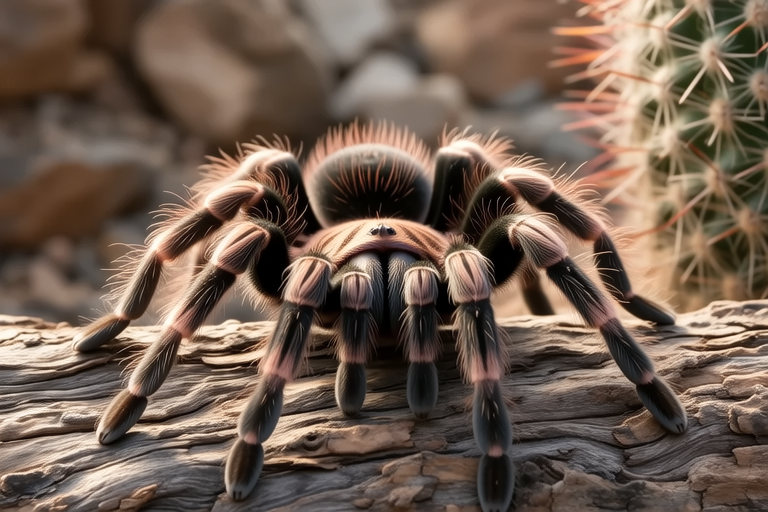
Tarantulas: The Ultimate Guide for Arachnid Lovers
Welcome to the world of tarantulas, the largest spiders known to man! These fascinating creatures have captivated the imaginations of many, from curious beginners to seasoned arachnid enthusiasts. In this comprehensive guide, we will explore the diverse world of tarantulas, their care requirements, and debunk some common myths surrounding these misunderstood arachnids.
Species Diversity
Tarantulas belong to the family Theraphosidae and are found in a wide range of environments across the globe. With over 900 recognized species, they exhibit remarkable diversity in size, coloration, and behavior. From the tiny Pamphobeteus nigricolor, measuring only a few centimeters, to the giant Cupiennius chiapanensis with its impressive leg span, there’s a tarantula for every enthusiast.
Some popular species among hobbyists include the Chilean rose tarantula (Grammostola rosea), known for its docile temperament; the Mexican redknee tarantula (Buthus mexicanus), admired for its striking appearance; and the Goliath birdeater (Theraphosa blondi), the largest spider in the world by mass.
Suitable Habitats
Creating an optimal habitat for your tarantula is crucial for its well-being. Tarantulas thrive in enclosures that mimic their natural environments, which vary depending on the species. Generally, a terrarium with appropriate substrate, humidity levels, and temperature ranges is ideal.
- Substrate: Use coconut fiber, bark chips, or vermiculite as bedding materials. These substrates help maintain moisture levels and provide a natural environment for burrowing.
- Humidity: Most tarantulas prefer a humidity level between 60% and 80%. Regular misting can help maintain this level, but be cautious not to create stagnant pools of water.
- Temperature: Keep the enclosure at temperatures ranging from 75°F to 85°F (24°C to 29°C). A heat lamp or under-tank heater may be necessary to achieve and maintain these conditions.
Diet Requirements
Tarantulas are carnivorous and feed primarily on live insects such as crickets, mealworms, and superworms. Feeding frequency depends on the age and size of the tarantula. Juveniles require more frequent meals, while adults can be fed less often.
Ensure that prey items are appropriately sized for your tarantula. Overfeeding can lead to obesity, while underfeeding may result in malnutrition. It’s essential to dust feeder insects with calcium and vitamin supplements to support your tarantula’s health.
Handling Tips
While tarantulas can make wonderful pets, it’s important to handle them with care. Their urticating hairs can cause irritation if they feel threatened. Always wash your hands after handling and avoid touching their eyes, mouth, or any sensitive areas.
When handling your tarantula, gently scoop it up from below and support its entire body. Never grab it by the legs or abdomen, as this can cause injury. For species like the Goliath birdeater, it’s best to minimize handling to prevent stress.
Common Health Issues
Like any pet, tarantulas can suffer from various health issues. Common problems include dehydration, mites, and molting complications.
- Dehydration: Ensure your tarantula has access to fresh water. A shallow dish filled with dechlorinated water placed in the enclosure can help prevent dehydration.
- Mites: These tiny parasites can infest tarantulas, causing skin irritation and weakening their immune systems. Regular cleaning of the enclosure and quarantining new acquisitions can help prevent mite outbreaks.
- Molting: Molting is a natural process where tarantulas shed their exoskeleton. During this time, they are vulnerable and require special care. Avoid disturbing them and ensure proper humidity levels to facilitate a smooth molt.
Misconceptions About Tarantulas
Tarantulas have long been the subject of myths and misconceptions. One common misconception is that all tarantulas are aggressive and dangerous. While some species can deliver painful bites, most are docile and pose little threat to humans.
Another myth is that tarantulas always spin webs. While some species do create silken retreats, not all tarantulas construct traditional spider webs. Additionally, contrary to popular belief, tarantulas are not venomous to humans. Their venom is generally harmless to people, although individual reactions can vary.
Responsible Ownership and Conservation Efforts
Owning a tarantula comes with significant responsibilities. Providing a suitable habitat, proper diet, and regular veterinary care are essential for maintaining your pet’s health. Additionally, consider the environmental impact of your choices. Many tarantulas are collected from the wild, so supporting ethical breeders helps reduce the demand for wild-caught specimens.
Conservation efforts are also vital for preserving tarantula populations in their natural habitats. Habitat destruction and climate change pose significant threats to these creatures. By spreading awareness and advocating for conservation initiatives, you can contribute to the preservation of these fascinating arachnids.
In conclusion, tarantulas offer a unique and rewarding experience for those willing to take on the responsibility of caring for these magnificent creatures. Whether you’re a beginner or an experienced arachnid enthusiast, there’s always more to learn about these incredible animals. By following best practices in care and promoting conservation, we can ensure the continued survival and well-being of tarantulas for generations to come.