 By admin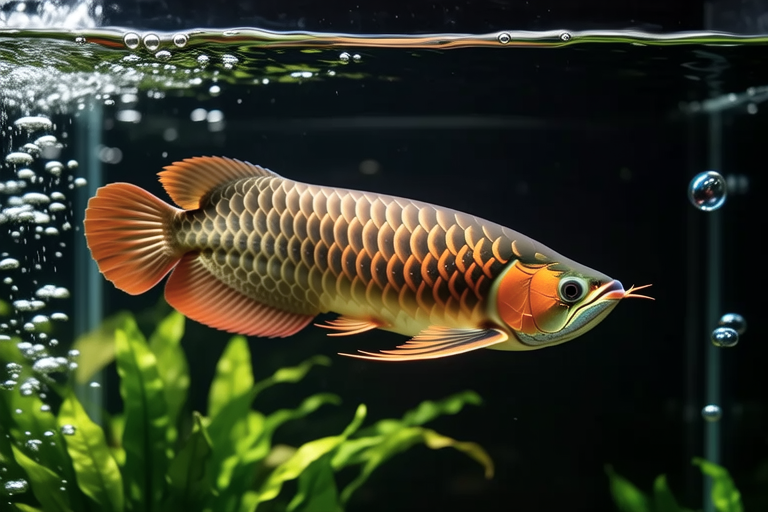
Arowana Enthusiasts Reveal: Top Tips for Keeping These Aquatic Beauties Happy
Arowanas are some of the most majestic fish you can keep in your aquarium. They are known for their impressive size, unique appearance, and fascinating behavior. However, keeping these aquatic beauties happy requires more than just providing them with a tank. It involves creating an optimal environment that meets their specific needs. In this article, we will delve into expert advice on tank setup, water conditions, feeding habits, and common health issues. We will also emphasize the importance of a spacious environment and proper filtration systems, as well as discuss suitable tank mates to ensure a stress-free habitat.
Optimal Tank Setup
The first step in keeping arowanas happy is setting up their tank correctly. Arowanas are large fish that require a lot of space to swim freely. The minimum tank size recommended for a single arowana is 300 gallons, but larger tanks are always better. A 48-inch by 24-inch by 24-inch tank is ideal for one arowana. If you plan to house multiple arowanas, you will need an even larger tank. For every additional arowana, add another 150 gallons of water.
It’s important to provide plenty of swimming room and hiding spots. Arowanas are active swimmers and need enough space to move around without feeling cramped. Decorate the tank with rocks, driftwood, and plants to create a natural environment. However, avoid overcrowding the tank with too many decorations, as it can limit the fish’s swimming area. Make sure there are also some open spaces for the arowanas to swim freely.
Proper filtration is crucial for maintaining clean water in the tank. Arowanas produce a significant amount of waste, so a high-quality filter is necessary to keep the water clean. Choose a filter that can handle at least four times the volume of water in the tank per hour. Additionally, consider adding a sump filter or external canister filter to improve water quality further. Regular water changes are also essential to maintain good water quality. Aim for a 20% water change weekly, and increase the frequency if necessary.
Water Conditions
Arowanas are tropical fish that thrive in warm, stable water conditions. The ideal temperature range for arowanas is between 78°F and 84°F (25°C to 29°C). Use a reliable heater to maintain a consistent temperature throughout the tank. Invest in a thermometer to monitor the water temperature regularly.
The pH level should be kept between 6.5 and 7.5, and the hardness should be between 5 and 15 dGH. To achieve these levels, you may need to adjust the water chemistry using products designed for aquariums. Regular testing of water parameters is crucial to ensure that the water remains within the appropriate range. Consistent water conditions help prevent stress and promote overall health in your arowanas.
Feeding Habits
Arowanas are carnivorous fish that primarily feed on live prey in the wild. In captivity, they can be fed a variety of foods, including frozen or live foods such as feeder fish, shrimp, and worms. However, it’s important to provide a balanced diet that includes both meaty and plant-based options. Pellets and flakes formulated for carnivorous fish can be used as a staple food, supplemented with occasional treats of live or frozen foods.
Feed your arowanas two to three times a day, offering as much food as they can consume within five minutes. Overfeeding can lead to poor water quality and obesity, so it’s important to avoid excessive feeding. Monitor their eating habits closely and adjust the amount of food accordingly. Providing a varied diet helps ensure that your arowanas receive all the necessary nutrients for optimal health.
Common Health Issues
Like any other fish, arowanas can suffer from various health issues if not properly cared for. Some common problems include fin rot, ich, and parasites. Fin rot is often caused by poor water quality and can be treated with antibiotics or antifungal medications. Ich, a parasitic infection, is characterized by white spots on the fish’s body and can be treated with ich-specific medications. Parasites can also cause health issues and may require treatment with antiparasitic medications.
To prevent health issues, maintain excellent water quality, quarantine new fish before introducing them to the main tank, and avoid overcrowding. Regularly inspect your arowanas for signs of illness, and take prompt action if you notice any unusual symptoms. Early detection and treatment can prevent minor issues from becoming serious health problems.
Suitable Tank Mates
Choosing the right tank mates for your arowanas is crucial to ensuring a peaceful and harmonious environment. Arowanas are generally peaceful fish, but they can become territorial when housed with smaller fish. It’s best to choose tank mates that are similar in size and temperament to avoid conflicts. Large, peaceful fish like Oscars, Green Terror cichlids, and other large cichlids can make suitable tank mates for arowanas. Avoid housing arowanas with small, timid fish, as they may become stressed or even become prey.
When introducing new fish to the tank, it’s important to do so gradually to minimize stress. Quarantine new fish for a few weeks before adding them to the main tank to ensure they are free from diseases. This helps prevent the introduction of parasites or illnesses that could affect your arowanas. By carefully selecting and introducing tank mates, you can create a stress-free habitat that promotes the well-being of your arowanas.
Creating a Stress-Free Habitat
Creating a stress-free habitat for your arowanas is essential for their happiness and longevity. Arowanas are sensitive to changes in their environment, so it’s important to minimize stressors as much as possible. Avoid sudden changes in water parameters, lighting, or tank decorations. Maintain a consistent routine for feeding and water maintenance to help your arowanas feel secure.
Providing ample swimming space and hiding spots can also help reduce stress. Arowanas need plenty of room to swim and explore, and having places to hide can give them a sense of security. Ensure that the tank is well-lit but not overly bright, as excessive light can cause stress. Consider using a dimmer switch or covering part of the tank to create shaded areas.
Conclusion
Keeping arowanas happy and healthy requires careful attention to their specific needs. By providing an optimal tank setup, maintaining ideal water conditions, offering a balanced diet, and being mindful of potential health issues, you can create a thriving environment for these magnificent fish. Remember the importance of a spacious environment and proper filtration systems, and carefully select suitable tank mates to ensure a stress-free habitat. With the right care and attention, your arowanas will thrive and bring joy to your aquarium for years to come.