 By admin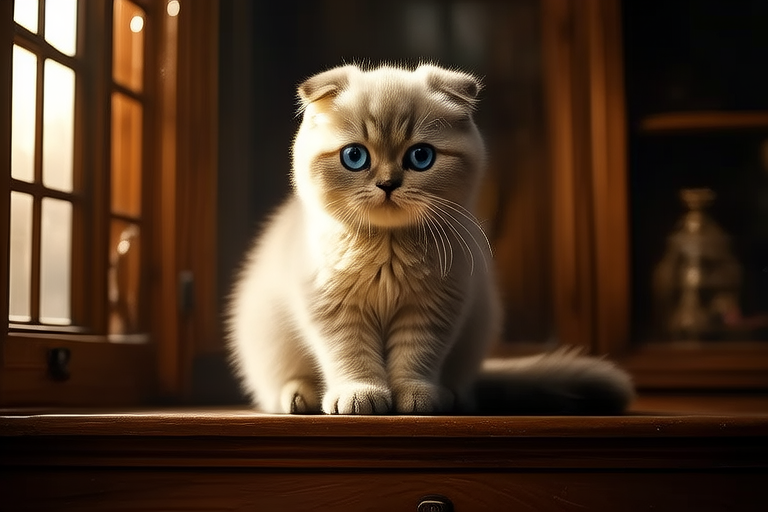
From Rare to Beloved: The Rise of the Curious Scottish Fold
The world of feline companionship has seen many fascinating breeds emerge over the years, but few have captured hearts quite like the Scottish Fold. Known for its distinctive folded ears and endearing round face, this breed has transitioned from relative obscurity to global adoration. In this article, we explore the unique physical attributes of the Scottish Fold, trace its origins, and examine the factors that have contributed to its growing popularity.
Unique Physical Characteristics
The Scottish Fold is instantly recognizable thanks to its signature trait: the forward-folded ears that give it a striking, almost owl-like appearance. This fold is caused by a natural genetic mutation affecting the ear cartilage, resulting in ears that bend forward and down at the tips. Coupled with large, expressive eyes and a rounded face, these cats possess a charming, almost whimsical look that sets them apart from other breeds.
Besides their ears, Scottish Folds also come in various coat lengths, including short-haired and long-haired varieties. Their fur can be dense and plush, offering protection against cold weather, making them well-suited for cooler climates. The variety in coat length and color further enhances their appeal, with options ranging from white to black, tabby patterns, and even bicolor coats.
The Origin Story
The history of the Scottish Fold begins in 1961, when a barn cat named Susie was discovered near Perth, Scotland. Susie’s offspring inherited her unique ear structure, leading to the first documented instances of the breed. William Ross, a neighboring farmer and cat enthusiast, took particular interest in these kittens and began a breeding program to develop the breed further. He partnered with Pat Turner, a geneticist, to understand the genetics behind the fold.
Initially, the breed was known as the “Lop-Eared Cat,” reflecting its similarity to lop-eared rabbits. It wasn’t until later that the name was changed to Scottish Fold, recognizing both its place of origin and its defining characteristic. Despite early recognition, the breed remained relatively rare, confined largely to Scotland and parts of England. The first Scottish Folds were imported to the United States in the late 1970s, marking the beginning of their international journey.
Gaining Popularity Over Time
As the Scottish Fold made its way across the Atlantic, it quickly caught the attention of cat enthusiasts worldwide. One of the primary reasons for its rising popularity lies in its appearance. The combination of folded ears, large eyes, and rounded faces creates an irresistible package that appeals to both casual observers and dedicated cat lovers. Their unique looks often make them stand out in a crowd, turning heads wherever they go.
In addition to their striking appearance, Scottish Folds are celebrated for their gentle and affectionate personalities. They are known to form strong bonds with their human families, often seeking out companionship and affection. Many owners describe their Folds as being highly social and interactive, enjoying playtime and cuddling equally. These traits make them excellent companions for families, singles, and seniors alike.
The breed’s adaptability as a household pet is another factor contributing to its growing popularity. Scottish Folds are generally calm and easygoing, making them suitable for a wide range of living situations. Whether in a bustling city apartment or a quiet countryside home, they tend to adjust well to their environments. Their moderate activity levels mean they are neither overly energetic nor too sedentary, striking a balance that many pet owners find appealing.
Challenges and Health Concerns
Despite their many positive attributes, the Scottish Fold faces certain challenges, particularly regarding health. The same genetic mutation responsible for their folded ears can also lead to a condition called osteochondrodysplasia, which affects bone development. This condition can cause joint issues, particularly in the tail and legs, potentially leading to mobility problems.
To mitigate these risks, responsible breeding practices are crucial. Breeders must carefully select breeding pairs to minimize the risk of passing on harmful genes. Many reputable breeders perform genetic testing and prioritize the health and well-being of their cats. By adhering to strict breeding guidelines, they work to produce healthy, robust Scottish Folds that enjoy long, happy lives.
A Journey from Obscurity to Adoration
The Scottish Fold’s journey from a rare breed discovered in a Scottish barn to a globally beloved pet is nothing short of remarkable. From its humble beginnings, this breed has captured the hearts of countless individuals around the world. Its unique appearance, coupled with its affectionate and adaptable nature, has made it a favorite among cat lovers.
Today, the Scottish Fold can be found in homes, shelters, and show rings across the globe. Their enduring appeal lies in their ability to bring joy and companionship to those who welcome them into their lives. As more people discover the charm and warmth of the Scottish Fold, it’s clear that this breed will continue to grow in popularity, ensuring its place as a cherished member of the feline family.
For anyone considering adding a Scottish Fold to their household, it’s important to remember that every cat is unique. While they share common traits, each individual will have its own personality and quirks. With proper care, attention, and love, a Scottish Fold can become a loyal and loving companion, enriching the lives of those fortunate enough to share their homes.
In conclusion, the Scottish Fold’s rise from obscurity to beloved status is a testament to its unique qualities and the enduring bond it forms with its human companions. Whether you’re a seasoned cat owner or a first-time pet parent, the Scottish Fold offers a special blend of charm, companionship, and adaptability that continues to captivate hearts everywhere.