 By admin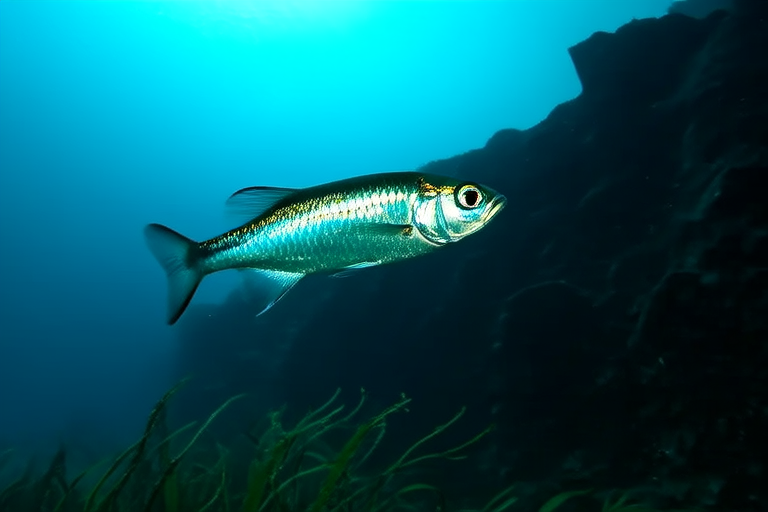
Unleashing the Mystique: All You Need to Know About Rajah Cichlid
The Rajah cichlid, scientifically known as Aequidens rivulatus, is a captivating fish that has intrigued aquarium enthusiasts for years. This article delves into the origins, physical characteristics, behavior, dietary needs, habitat requirements, common health issues, and tips for caring for these fascinating creatures. Whether you’re a novice or an experienced aquarist, this guide will provide you with all the essential information to appreciate and care for Rajah cichlids.
Origins of the Rajah Cichlid
The Rajah cichlid hails from the rivers and tributaries of South America, specifically the Amazon River basin. It is native to Brazil, Colombia, and Peru. These regions provide a diverse and dynamic aquatic environment, which has shaped the Rajah cichlid’s robust and adaptable nature. The species thrives in waters characterized by moderate flow and dense vegetation, creating an ideal habitat for these colorful fish.
Physical Characteristics
Rajah cichlids are known for their striking appearance, making them a standout choice for any aquarium. They typically grow to around 4 to 6 inches in length, with males being slightly larger than females. Their bodies are elongated and laterally compressed, giving them a streamlined shape that allows for efficient swimming in their natural habitats.
The most notable feature of the Rajah cichlid is its vibrant coloration. Males exhibit a stunning array of colors, ranging from iridescent blues and greens to deep reds and oranges. Females, while still beautiful, tend to be less colorful and more muted in comparison. Both sexes display intricate patterns and markings that add to their allure.
Another distinctive trait is their large, fleshy lips. These are not just for show; they play a crucial role in the fish’s feeding habits. The lips allow Rajah cichlids to efficiently sift through substrate and pick up food particles, contributing to their ability to thrive in various environments.
Behavior and Temperament
Rajah cichlids are known for their active and somewhat aggressive nature. While they can coexist peacefully with other non-aggressive fish species, they are best kept in a species-only tank or with equally robust fish. Their territorial instincts can lead to conflicts if housed with smaller, more docile species.
Despite their reputation for aggression, Rajah cichlids are intelligent and interactive fish. They enjoy exploring their surroundings and can develop a bond with their caretakers. Providing ample hiding spots and caves within the tank can help reduce stress and promote a healthier, more relaxed environment for your Rajah cichlids.
Dietary Needs
Rajah cichlids are omnivorous, meaning they require a balanced diet that includes both plant-based and protein-rich foods. In their natural habitat, they feed on a variety of insects, small crustaceans, algae, and plant matter. To replicate this diet in captivity, it is recommended to offer a mix of high-quality flake foods, pellets, frozen or live brine shrimp, bloodworms, and blanched vegetables such as spinach or zucchini.
It is important to ensure a varied diet to meet the nutritional needs of Rajah cichlids. Feeding them a single type of food can lead to nutritional deficiencies and health problems. Additionally, overfeeding should be avoided to prevent water quality issues and obesity.
Habitat Requirements
Creating the right habitat is crucial for the health and well-being of Rajah cichlids. They prefer spacious tanks with plenty of swimming room, ideally no smaller than 55 gallons for a pair or trio. The tank should be equipped with robust filtration to maintain water quality and accommodate the fish’s active nature.
Substrate plays a significant role in the tank setup. Rajah cichlids are bottom-dwelling fish that enjoy sifting through the substrate in search of food. A fine gravel or sand substrate is ideal, as it mimics their natural environment and provides an opportunity for them to engage in their natural behaviors.
Plants and decorations are also essential components of the tank. Live plants, such as Java fern and Anubias, not only enhance the aesthetic appeal of the aquarium but also provide hiding places and breeding sites. Driftwood and rocks can be used to create caves and crevices, further enriching the environment and stimulating natural behaviors.
Common Health Issues
Like all fish, Rajah cichlids are susceptible to certain health issues. One of the most common ailments is Ichthyophthirius multifiliis, commonly known as Ich. This parasitic infection manifests as tiny white spots on the fish’s body and fins. Early detection and treatment with appropriate medications are key to managing Ich effectively.
Another prevalent issue is fin rot, which occurs when the fins become frayed and discolored due to bacterial or fungal infections. Maintaining optimal water conditions and providing a balanced diet can help prevent fin rot. If symptoms appear, prompt action with the correct medication is necessary.
Poor water quality can lead to a host of health problems for Rajah cichlids. Regular water changes, proper filtration, and monitoring of parameters such as pH, ammonia, nitrite, and nitrate levels are essential for maintaining a healthy environment.
Tips for Beginners
If you’re new to keeping Rajah cichlids, here are some tips to help you get started:
- Research extensively: Before purchasing Rajah cichlids, familiarize yourself with their specific care requirements. Understanding their behavior, dietary needs, and habitat preferences will set you up for success.
- Start with a well-established tank: Ensure your aquarium is fully cycled and stable before introducing Rajah cichlids. A mature tank with established biological filtration is crucial for their health.
- Provide ample space: Rajah cichlids need plenty of room to swim and explore. A spacious tank will reduce stress and promote a healthier environment.
- Monitor water parameters: Regularly test and adjust water parameters to maintain optimal conditions. This includes pH, temperature, and nutrient levels.
- Observe behavior: Pay attention to the behavior of your Rajah cichlids. Changes in behavior can indicate potential health issues or stressors in the environment.
Unique Traits of Rajah Cichlids
What sets Rajah cichlids apart in the aquarium world? Their unique traits include:
- Vibrant coloration: The dazzling hues of Rajah cichlids make them a visual centerpiece in any aquarium.
- Intelligent behavior: These fish are known for their problem-solving abilities and interactive nature, making them a joy to observe.
- Adaptable diet: Their omnivorous nature allows them to thrive on a wide range of foods, making them relatively easy to feed.
- Robust and hardy: Rajah cichlids are generally resilient and can withstand a range of environmental conditions, provided they are properly cared for.
In conclusion, the Rajah cichlid is a remarkable addition to any aquarium, offering a blend of beauty, intelligence, and adaptability. By understanding their origins, physical characteristics, behavior, dietary needs, habitat requirements, and common health issues, you can provide the best possible care for these captivating fish. With proper attention and care, Rajah cichlids will reward you with years of enjoyment and admiration.