 By admin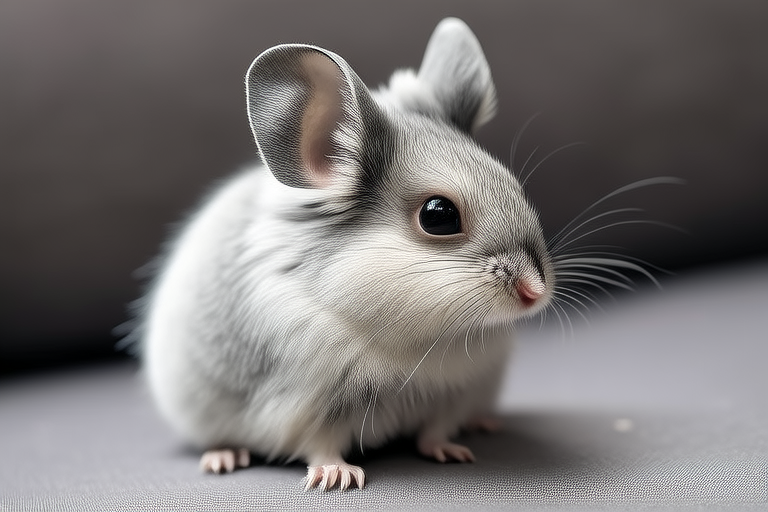
Chinchillas: The Fluffy Pets You Need to Know About
Welcome to the world of chinchillas! These adorable, fluffy creatures have captured the hearts of many pet enthusiasts with their unique charm and striking appearance. Chinchillas make fascinating companions, but before you bring one home, it’s essential to understand their specific needs and behaviors. This article will guide you through everything you need to know about these captivating rodents, from their physical characteristics and natural habitat to their dietary needs and grooming requirements.
Physical Characteristics
Chinchillas are small rodents that belong to the family Chinchillidae. They are native to the Andes Mountains in South America. One of the most striking features of chinchillas is their incredibly dense fur, which is the softest among all mammals. Each hair follicle can grow up to 80 hairs, making their coat incredibly plush and luxurious. This dense fur provides excellent insulation, protecting them from extreme cold and heat in their mountainous habitat.
Chinchillas come in two main species: long-tailed and short-tailed. Long-tailed chinchillas (Chinchilla lanigera) are more commonly kept as pets due to their slightly larger size and longer tails. They typically weigh between 400 and 600 grams and can live up to 15 years or more with proper care. Short-tailed chinchillas (Chinchilla brevicaudata), on the other hand, are rarer and smaller, weighing around 300 to 500 grams.
Chinchillas have large, round ears that are sensitive to sound, and their eyes are black and expressive. Their front teeth, known as incisors, grow continuously throughout their lives, so they must gnaw on hard objects to keep them worn down. This is crucial for their dental health and overall well-being.
Natural Habitat
Chinchillas are native to the Andes Mountains in South America, where they inhabit rocky, arid environments at high altitudes. They are adapted to life in these harsh conditions, with their thick fur helping them withstand the cold temperatures and strong winds. In the wild, chinchillas live in colonies, taking shelter in crevices and burrows during the day and emerging at night to forage for food.
Their diet primarily consists of grasses, herbs, and other vegetation found in their mountainous habitat. Due to habitat destruction and overhunting for their valuable fur, wild chinchilla populations have drastically declined. Today, chinchillas are considered endangered in the wild, and most of the chinchillas available as pets are bred in captivity.
Dietary Needs
Chinchillas have very specific dietary requirements to maintain their health and well-being. Their diet should consist mainly of hay, which is essential for their digestive system and dental health. Timothy hay is preferred for adult chinchillas, while alfalfa hay can be given to younger ones as it is higher in calcium and protein. Hay should always be available in unlimited quantities.
In addition to hay, chinchillas should also be provided with a balanced commercial pelleted diet formulated specifically for chinchillas. These pellets contain the necessary vitamins and minerals that cannot be obtained solely from hay. It’s important to choose a high-quality pellet that is free from artificial colors, flavors, and preservatives.
Fruits and vegetables can be offered in moderation as treats. However, care should be taken not to overfeed them, as too much sugar can lead to obesity and other health issues. Safe fruits and vegetables for chinchillas include carrots, apples, and leafy greens like romaine lettuce. Avoid feeding them foods high in sugar, fat, or salt, such as nuts, seeds, or processed human foods.
Water is another critical component of a chinchilla’s diet. Always provide fresh, clean water in a heavy-bottomed water bottle with a sipper tube. Check the water bottle regularly to ensure it is functioning correctly and refill it as needed. Clean the bottle thoroughly once a week to prevent bacterial growth.
Grooming Requirements
Chinchillas have a unique method of grooming themselves by taking dust baths. Unlike water baths, which can damage their dense fur, dust baths help remove oils and dirt from their coats. Provide your chinchilla with a shallow container filled with special chinchilla dust or sand, available at most pet stores. Allow your chinchilla to bathe for about 10-15 minutes, two or three times a week.
Aside from dust baths, chinchillas do not require regular bathing or grooming. Their self-grooming habits are usually sufficient to keep their fur clean and healthy. However, you may occasionally need to assist with grooming, especially if your chinchilla has been shedding or has tangled fur. Use a soft-bristled brush to gently comb through their fur, being careful not to pull or tug on any knots.
Chinchillas’ nails can also grow quite long and sharp, potentially causing discomfort or injury. Regular nail trimming is necessary to maintain their comfort and safety. If you’re unsure how to trim your chinchilla’s nails, consult a veterinarian or a professional groomer for guidance. Keep a styptic powder or pen handy in case you accidentally cut the quick, which is the blood vessel inside the nail.
Common Behaviors
Chinchillas are social animals that thrive on interaction and mental stimulation. In the wild, they live in large colonies, and this social nature carries over into their domesticated lives. They are generally quiet animals, communicating primarily through body language and vocalizations. Chinchillas are known for their playful and curious personalities, often exploring their environment and interacting with their surroundings.
One of the most endearing behaviors of chinchillas is their ability to jump and leap with great agility. They are capable of jumping several times their own height, so it’s essential to provide them with a safe enclosure that allows for plenty of vertical space. Chinchillas enjoy climbing and playing with toys designed for their size, such as wooden chew toys, tunnels, and platforms.
Chinchillas can also exhibit territorial behavior, especially when feeling threatened or stressed. Signs of stress or discomfort include excessive grooming, hiding, or aggressive behavior. Providing a secure and comfortable living environment, along with plenty of positive reinforcement and interaction, can help reduce stress and promote a happy, healthy chinchilla.
Why Chinchillas Make Unique Pets
Chinchillas offer a unique pet experience for those who are willing to meet their specific needs. Their gentle nature, combined with their playful and curious personalities, makes them delightful companions. Chinchillas are relatively quiet compared to other small pets, making them suitable for apartment living. Their intelligence and adaptability allow them to bond closely with their owners, forming strong relationships based on trust and affection.
Chinchillas also offer a unique opportunity for hands-on care and interaction. Their grooming and handling require patience and gentleness, which can be rewarding for both the chinchilla and its owner. With proper training and positive reinforcement, chinchillas can learn to tolerate and even enjoy handling, making them ideal for owners who are looking for a pet that requires active involvement.
Potential Challenges of Owning a Chinchilla
Owning a chinchilla comes with its own set of challenges, and it’s important to be aware of these before bringing one home. Chinchillas are sensitive to temperature changes and can suffer from heatstroke in hot environments. They are most comfortable in cooler temperatures between 60°F and 70°F (15°C and 21°C). Ensure your living space is well-ventilated and avoid placing their enclosure near direct sunlight or heat sources.
Chinchillas are also prone to certain health issues, including dental problems, respiratory infections, and gastrointestinal issues. Regular veterinary check-ups are essential to monitor their health and address any concerns early. Proper nutrition, hygiene, and enrichment are key factors in preventing and managing these health issues.
Lastly, chinchillas can be delicate and easily stressed. They require a calm and stable environment to thrive. Loud noises, sudden movements, or rough handling can cause stress and anxiety, leading to behavioral problems or health issues. It’s important to handle your chinchilla gently and provide a safe, enriching environment that promotes their well-being.
Tips for Prospective Owners
If you’re considering adding a chinchilla to your family, here are some tips to help you prepare:
- Research extensively: Before committing to a chinchilla, spend time researching their specific needs and behaviors. Understanding their requirements will help you provide the best possible care.
- Choose a reputable breeder: When selecting a chinchilla, choose a reputable breeder who prioritizes the health and well-being of their animals. Ask questions about the breeder’s practices and view the living conditions of the chinchillas.
- Prepare the right enclosure: A spacious, well-ventilated enclosure is essential for your chinchilla’s health and happiness. Ensure the enclosure is escape-proof and provides ample room for exercise and play.
- Provide appropriate enrichment: Chinchillas are intelligent animals that require mental stimulation. Offer a variety of toys, tunnels, and platforms to keep them entertained and engaged.
- Handle with care: Chinchillas are delicate and easily stressed. Handle them gently and frequently to build trust and confidence. Always support their body when holding them to prevent injury.
- Stay informed: Continue educating yourself about chinchillas and their care. Join online forums, attend workshops, and consult with veterinarians to stay up-to-date on the latest information and best practices.
Chinchillas are fascinating and unique pets that offer a rewarding companionship for those willing to meet their specific needs. By understanding their physical characteristics, natural habitat, dietary requirements, and grooming needs, you can provide your chinchilla with a happy and healthy life. Remember to approach ownership with patience, dedication, and a willingness to learn. With proper care and attention, your chinchilla will become a cherished member of your family.