 By admin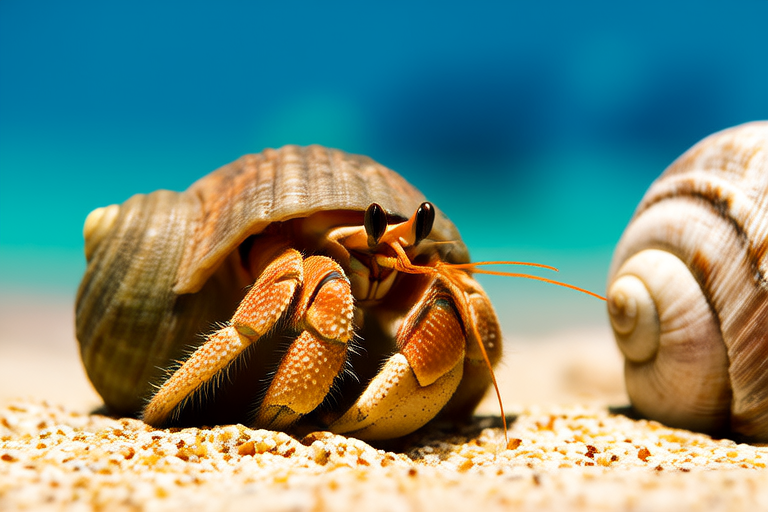
Hermit Crab Care: Unveiling the Mysteries of Their Shell Swap Habits
Hermit crabs are fascinating creatures, known for their unique lifestyle and their reliance on second-hand shells for protection. Unlike most crustaceans, hermit crabs cannot produce their own protective exoskeletons. Instead, they seek out discarded mollusk shells to make their homes, ensuring their safety from predators and harsh environmental conditions. This article delves into the intricacies of hermit crab care, focusing on the critical aspect of shell swapping, which is crucial for their well-being.
The Natural Process of Shell Swapping
The process of shell swapping is a vital part of a hermit crab’s life cycle. It is triggered by several factors, primarily when the crab outgrows its current shell or discovers a more suitable one. As hermit crabs grow, they need larger shells to accommodate their expanding bodies. The timing of this growth varies among species, but it generally occurs annually. Additionally, hermit crabs may swap shells if they find one that better suits their preferences, offering enhanced protection or improved mobility.
In the wild, hermit crabs engage in communal shell-swapping events, where multiple individuals gather around a pile of available shells. They assess each other’s shells, sometimes even trading directly with one another. This social behavior ensures that each crab finds a shell that fits perfectly, promoting overall health and survival.
The Importance of Shell Variety in Captivity
When keeping hermit crabs as pets, it is essential to provide a diverse range of shells to mimic their natural environment. In captivity, hermit crabs can become stressed or unhealthy if they lack access to appropriate shells. A good collection should include shells of varying sizes, shapes, and textures. Smaller crabs need smaller shells, while larger ones require bigger accommodations. The shape of the shell is also important; some hermit crabs prefer narrow shells, while others favor wide ones. Texture matters too, as some crabs might gravitate towards smooth shells, while others prefer rougher surfaces.
Additionally, it is advisable to offer shells made from different materials. While many pet stores sell synthetic shells, it is best to provide natural shells whenever possible. These shells often have a more complex internal structure that can benefit the crab’s respiratory system. Ensure that the shells you choose are clean and free from harmful chemicals or parasites.
Setting Up a Habitat Encouraging Healthy Shell Swapping
To encourage healthy shell swapping habits, it is crucial to set up an optimal habitat for your hermit crabs. Maintaining the right humidity and temperature levels is key. Hermit crabs thrive in environments with high humidity, typically between 70% and 80%. You can achieve this by misting the enclosure daily or using a humidifier. A hygrometer can help monitor the humidity levels accurately.
Temperature is equally important. Hermit crabs prefer temperatures ranging from 75°F to 85°F (24°C to 29°C). A heat lamp or under-tank heater can be used to maintain these conditions. Ensure there is a temperature gradient within the enclosure so the crabs can regulate their body temperature by moving between warmer and cooler areas.
Providing ample space for exploration and interaction is also beneficial. Hermit crabs are social animals and enjoy being in groups. A spacious tank with plenty of hiding spots, climbing structures, and other enrichments will promote natural behaviors, including shell swapping. Include a shallow water dish and a food dish to ensure the crabs have access to fresh water and a balanced diet.
Common Misconceptions About Shell Swapping
There are several misconceptions surrounding hermit crab shell swapping. One common myth is that crabs will always swap shells when given the opportunity. In reality, they are selective and only change shells when necessary or when a better option becomes available. Another misconception is that hermit crabs fight over shells. While they may compete indirectly by assessing each other’s shells, direct aggression is rare. Instead, they rely on social interactions and observations to determine the best time for a swap.
Another misunderstanding is that hermit crabs will always choose the largest available shell. In fact, they are more likely to select a shell that fits them perfectly, balancing size, shape, and weight. Overly large shells can be cumbersome and impractical for the crab, while overly small shells can cause discomfort and stress.
Signs That Your Hermit Crab is Ready for a New Home
Observing your hermit crab’s behavior can provide valuable insights into whether it is ready for a new shell. One clear sign is increased activity around the current shell. If the crab spends more time inspecting or attempting to enter other shells, it may be signaling that it is ready for a change. Another indicator is physical signs of discomfort, such as difficulty moving or appearing lethargic. Crabs that seem restless or agitated may also be preparing for a shell swap.
It is also important to note that hermit crabs may exhibit different behaviors depending on the time of year. Many species undergo a molt during spring and summer, a process where they shed their exoskeleton and grow a new one. During this period, they may be more inclined to search for a new shell. Monitoring your hermit crab’s molting schedule can help you anticipate when it might need a new home.
Maintaining Health and Happiness Through Shell Selection
Regularly monitoring your hermit crab’s shell selection and swapping activities can provide a window into its overall health and happiness. A crab that frequently changes shells without any obvious reason may be stressed or ill. Conversely, a crab that consistently chooses the same shell and appears content is likely thriving in its environment.
It is also important to observe how your hermit crab interacts with its surroundings. A healthy crab will explore its habitat, interact with other crabs, and show interest in food and water. Providing a stimulating environment with a variety of shells and enrichment items can enhance the crab’s quality of life and encourage positive shell swapping habits.
Finally, remember that hermit crabs are long-lived creatures, and their care requires commitment and attention to detail. By understanding their shell swapping habits and providing a nurturing environment, you can ensure that your hermit crabs lead happy, healthy lives.