 By admin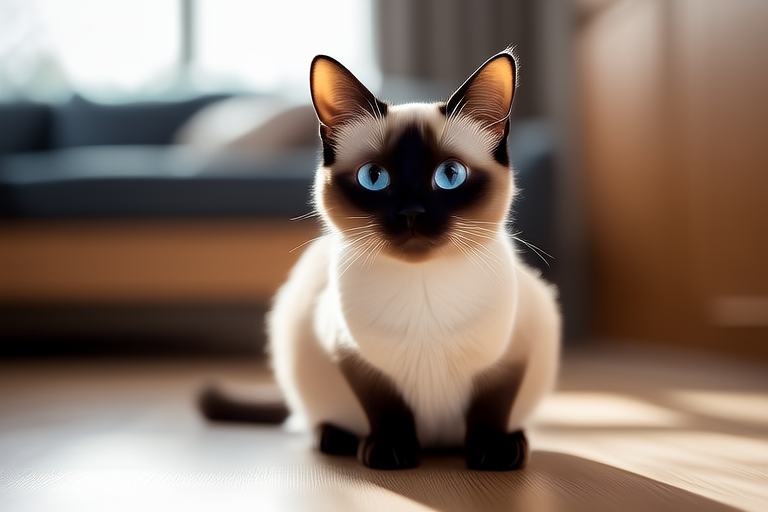
Top Secrets Every Siamese Cat Owner Should Know for Happy Pets
Welcome to the wonderful world of Siamese cats! These striking felines are known for their vocal charm, affectionate nature, and distinctive blue almond-shaped eyes. Owning a Siamese cat can be a delightful experience, but it also comes with its own set of challenges. To help you navigate through and ensure your Siamese cat leads a happy and healthy life, we’ve compiled some top secrets that every Siamese cat owner should know.
Understanding Siamese Cat Behavior
Siamese cats are incredibly social creatures. They thrive on interaction and companionship, often forming strong bonds with their human families. Unlike many other breeds, Siamese cats enjoy being around people and may even follow their owners from room to room. This close relationship means they can become quite vocal, especially when seeking attention or expressing dissatisfaction. Understanding and responding to their vocal cues can strengthen the bond between you and your cat.
Siamese cats are also known for their intelligence and curiosity. They love to explore and investigate their surroundings. Providing them with stimulating environments and toys can keep them mentally engaged and prevent boredom-related behaviors like excessive meowing or destructive scratching.
Dietary Needs of Siamese Cats
Proper nutrition is crucial for maintaining the health and vitality of your Siamese cat. A balanced diet should include high-quality proteins, fats, carbohydrates, vitamins, and minerals. Look for cat food that lists meat as the primary ingredient, avoiding fillers like corn or wheat. Siamese cats have a relatively higher metabolism compared to other breeds, so they may require more frequent meals or a higher calorie intake. Consult with your veterinarian to determine the appropriate portion sizes and feeding schedule based on your cat’s age, weight, and activity level.
Hydration is another important aspect of your Siamese cat’s diet. Encourage water consumption by providing fresh water daily and considering the use of a water fountain, which can make drinking more appealing to your cat. Wet food can also contribute to their hydration needs and provide additional nutrients.
Grooming Tips for Siamese Cats
Siamese cats have short, fine coats that require minimal grooming, but regular care is still necessary to keep their fur and skin healthy. Brushing your cat once or twice a week helps remove loose hair and prevents matting, especially during seasonal shedding. Pay special attention to areas where hair tends to accumulate, such as behind the ears and under the tail.
Bathing your Siamese cat is generally unnecessary unless they get particularly dirty or have a medical condition requiring it. However, if you do need to bathe your cat, use a gentle, cat-specific shampoo and ensure the water temperature is warm but not hot. Always dry your cat thoroughly after bathing to prevent chills.
Regular nail trimming is essential for preventing overgrown nails and potential discomfort. Use sharp, small scissors or clippers designed for cats. Be cautious not to cut the quick, the blood vessel inside the nail, as this can cause bleeding and pain. If you’re unsure about trimming your cat’s nails yourself, consider taking them to a professional groomer.
Health Concerns Specific to Siamese Cats
Siamese cats are prone to certain health issues that can affect their quality of life if left untreated. One common concern is dental disease, which can lead to tooth decay, gum infections, and other oral problems. Regular dental check-ups and brushing your cat’s teeth can help maintain good oral hygiene. Provide your cat with dental treats and toys that promote healthy teeth and gums.
Another health issue specific to Siamese cats is a genetic disorder called amyloidosis, which affects liver function. While there is no cure, early detection and management can slow the progression of the disease. Regular veterinary visits and routine blood tests can help monitor your cat’s liver health.
Siamese cats are also susceptible to respiratory infections due to a genetic predisposition to narrow nasal passages. Keep your home well-ventilated and avoid exposing your cat to smoke, dust, or other irritants. Prompt treatment of any respiratory symptoms can prevent complications.
Interactive Play Suggestions
Playtime is vital for both physical and mental stimulation in Siamese cats. These active and curious cats enjoy games that challenge their minds and bodies. Consider interactive toys such as puzzle feeders, which encourage problem-solving and reward your cat with treats. Laser pointers and feather wands can also engage your cat in playful chasing and pouncing activities.
Creating a climbing structure or installing cat shelves can provide vertical spaces for your Siamese cat to explore and climb. This not only satisfies their natural instinct to climb but also offers opportunities for exercise and relaxation. Rotate toys periodically to keep your cat interested and excited about playtime.
Advice on Creating an Enriching Environment
Siamese cats thrive in environments that cater to their social and intellectual needs. Provide comfortable resting spots, such as cozy beds or blankets, in various locations throughout your home. These areas should be quiet and undisturbed, allowing your cat to retreat and relax.
Interactive feeding stations, where your cat must work to retrieve their food, can stimulate their hunting instincts and prevent boredom. Consider using food puzzles or hiding treats around the house for your cat to find.
Siamese cats also appreciate having access to windows where they can observe outdoor activities. Provide perches or window seats that offer a view of birds, squirrels, and other wildlife. This can provide mental stimulation and entertainment for your cat.
Unique Traits of Siamese Cats
Siamese cats possess several unique traits that make them stand out among other breeds. Their striking blue eyes and point coloration, where the extremities (ears, face, paws, and tail) are darker than the rest of their body, are iconic features. The coat colors can vary, including seal, chocolate, blue, and lilac points.
Siamese cats are also known for their vocal nature. They communicate through a variety of sounds, from soft chirps to loud meows. Learning to understand and respond to these vocalizations can deepen your connection with your cat. Additionally, their intelligence and adaptability make them excellent companions who can quickly learn commands and tricks.
Conclusion
Owning a Siamese cat is a rewarding experience filled with joy, companionship, and unique challenges. By understanding their behavior, meeting their dietary needs, maintaining proper grooming practices, addressing health concerns, engaging in interactive play, and creating an enriching environment, you can ensure your Siamese cat lives a happy and fulfilling life. Embrace the distinct traits of your Siamese cat and cherish the bond you share. With these secrets in mind, you’ll be well-equipped to provide the best care for your beloved feline friend.